Nepali Politicians Frequently Change Parties and Election Symbols in Pursuit of Parliamentary Seats and Ministerial Roles

Kathmandu. For politicians, the aspiration is to win the House of Representatives election, become a Member of Parliament (MP), and subsequently a minister. To fulfill this, some strive within the party they belong to, while others attempt to enter parliament even if it means switching parties.
This trend of switching allegiance to create an environment for becoming an MP, minister, or Prime Minister includes top-tier leaders. Among them are Bijay Kumar Gachhadar, who is contesting his eighth election, Rajendra Mahato, former Prime Ministers Pushpa Kamal Dahal 'Prachanda' and Madhav Kumar Nepal, and Sharat Singh Bhandari, who has been a minister the most times.
Bijay Kumar Gachhadar
Bijay Kumar Gachhadar is competing from Sunsari-3 in the House of Representatives election scheduled for the upcoming Falgun 21. He is currently competing under the election symbol of the Nepali Congress, the 'Tree'. Gachhadar, who is contesting his 8th election—in 2048, 2051, 2056, 2064, 2070, 2074, 2070, and now 2082—has competed with three different election symbols so far.
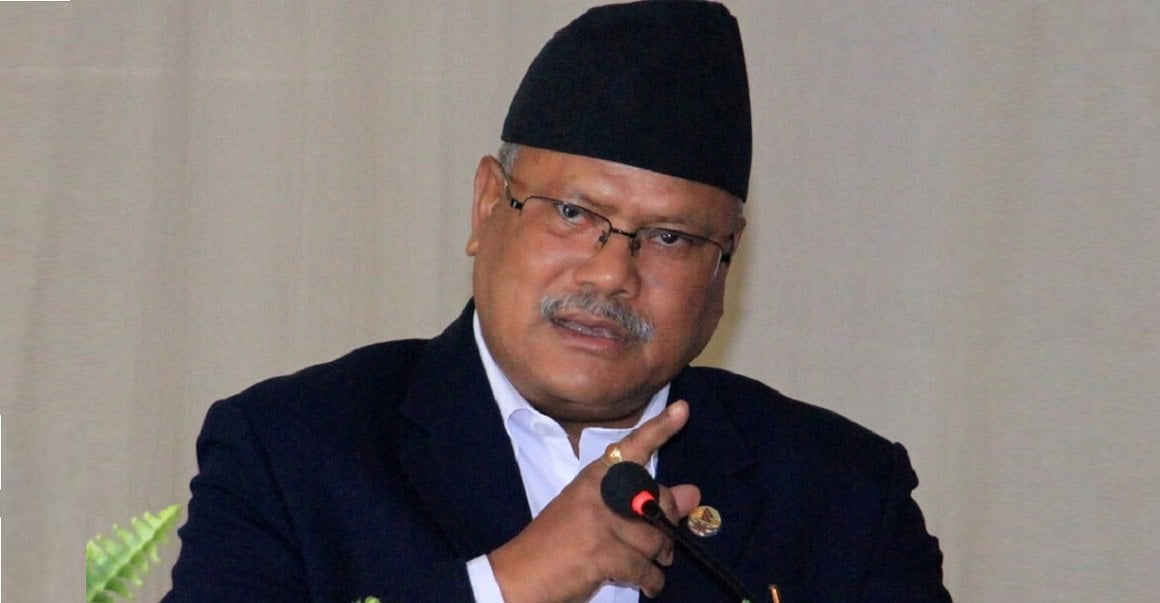
Gachhadar was elected from Sunsari-2 in 2048, 2051, and 2056 using the Nepali Congress's 'Tree' symbol. He defeated UML candidates Leela Shrestha Subba in 2048, Kuldeep Peshkar in 2051, and Revatiraman Bhandari in 2056.
In the first Constituent Assembly election of 2064, Gachhadar switched parties and joined Upendra Yadav's Madhesi Jana Adhikar Forum Nepal. At that time, Gachhadar contested from two constituencies, Sunsari-3 and Morang-7, under the Forum's 'Torch' symbol, and won from both. Gachhadar defeated Congress's Agamlal Chaudhary in Sunsari-3 and Congress's Dr. Shekhar Koirala in Morang-7.
In 2066, Gachhadar split from Forum Nepal and formed the Madhesi Jana Adhikar Forum Democratic Party under his own leadership. In the second Constituent Assembly election of 2070, Gachhadar defeated UML candidate Bhagwati Chaudhary in Sunsari-3 using the 'Namaskar' (Salutation) symbol of his party. In the 2074 House of Representatives election held after the promulgation of the Constitution, Gachhadar returned to the Congress and defeated UML candidate Bhagwati Chaudhary for the second time in Sunsari-2. However, in 2079, Bhagwati defeated Gachhadar.
Rajendra Mahato
Rajendra Mahato is also a leader who constantly tries to become an MP by changing election symbols. Having started contesting elections since 2048, Mahato has changed four parties so far.
In the 2048 and 2051 elections, Mahato contested from Sarlahi-2 representing the Nepal Sadbhavana Party but was defeated both times by Congress candidate Meena Pandey. In 2056, he was elected from Sarlahi-2 representing the Nepal Sadbhavana Party, becoming an MP for the first time. In that election, Mahato defeated Surya Bahadur Thapa, the candidate from the Rastriya Prajatantra Party. At that time, the election symbol of the Nepal Sadbhavana Party was the 'Handprint'.

In 2064, he defeated Ramchandra Ray Yadav of the Terai Madhes Loktantrik Party in Sarlahi-4 representing the Sadbhavana Party. The election symbol at that time was the 'Arrow'. In 2070, Mahato, contesting from Sarlahi-4 with the 'Arrow' symbol, was defeated by Mahendra Ray Yadav of the Terai Madhes Sadbhavana Party.
In the 2074 House of Representatives election, contesting as a candidate for the Rastriya Janata Party Nepal, he defeated Congress candidate Bimalendra Nidhi in Dhanusha-3. The election symbol at that time was the 'Umbrella'.
In the 2079 election, Mahato contested again in Sarlahi-2. At that time, he changed parties and competed for the Loktantrik Samajwadi Party Nepal. Competing with the 'Bicycle' symbol, Mahato was defeated by Mahendra Ray Yadav, who contested under the election symbol of CPN (Maoist Centre).
Mahato is currently the chairman of the newly formed Rastriya Mukti Party. For the upcoming election on Falgun 21, he is contesting from Sarlahi-2 under the election symbol of the Nagarik Unmukti Party Nepal, the 'Grindstone'.
Upendra Yadav
Upendra Yadav is another leader who contests elections by changing the party name and election symbol. His party's name and symbol have changed as it merged with various other parties. Currently the chairman of the Janata Samajwadi Party Nepal, Yadav has contested using three different parties and two election symbols so far.
He has contested elections representing Madhesi Jana Adhikar Forum Nepal, Federal Socialist Forum Nepal, and Janata Samajwadi Party Nepal. Yadav has competed using the 'Torch' and 'Umbrella' election symbols.

In the 2079 election, contesting under Jaspa Nepal, Yadav was defeated by Dr. CK Raut, chairman of the Janamat Party, in Saptari-2. He won the by-election in Bara-2 in 2080. The election symbol was the 'Umbrella'.
Yadav was elected from Saptari-2 in the 2074 House of Representatives election using the 'Umbrella' symbol of Jaspa Nepal. He was elected from Sunsari-5 in the 2070 Constituent Assembly (House of Representatives) election representing the Federal Socialist Forum. The election symbol was the 'Torch'. In the 2064 House of Representatives (Constituent Assembly) election, Yadav won from Morang-5 and Sunsari-5 representing the Madhesi Jana Adhikar Forum Nepal. In the by-election, he gave up Morang-5 and retained his MP seat from Sunsari-5. The election symbol remained the 'Torch'.
For the House of Representatives election on Falgun 21, Yadav has registered his candidacy from Saptari-3 representing Jaspa Nepal.
Sharat Singh Bhandari
Sharat Singh Bhandari is a perennial player who always reaches power by changing election symbols. Bhandari, who started his parliamentary journey as a member of the National Panchayat twice, is a candidate again.
Bhandari was elected as a member of the National Panchayat from Mahottari in 2038 and 2043 BS. At that time, election symbols were different for each individual in the National Panchayat.
After being defeated in the general election of 2048, Bhandari was elected as an independent candidate from Mahottari-4 in the mid-term election held in Kartik 2051. Independent candidates have different election symbols.
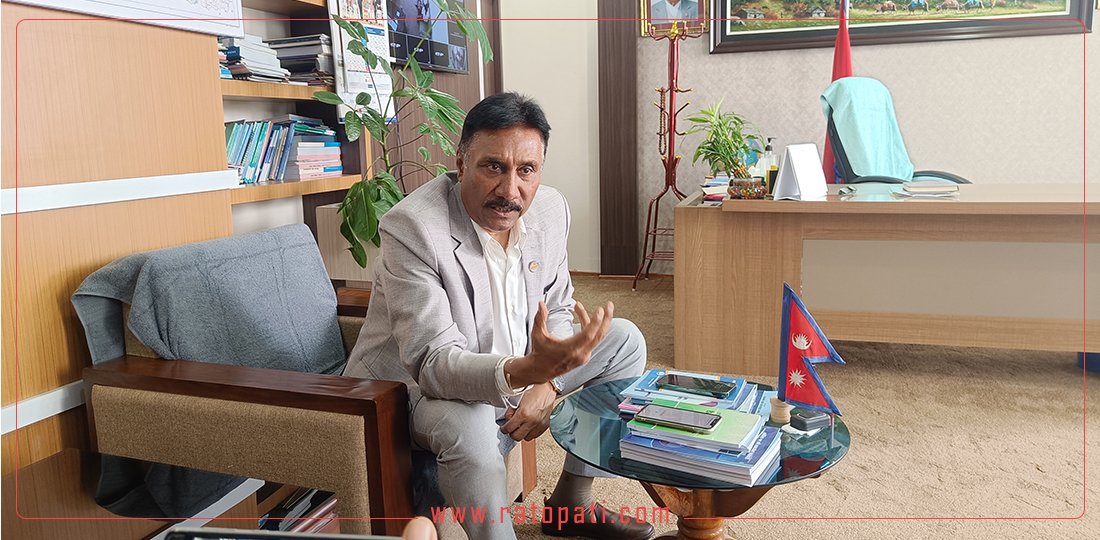
Before the 2056 election, Bhandari joined the Congress and was elected from Mahottari-3 using the 'Tree' election symbol.
Following the political change of 2062-063 BS, he left Congress and joined Upendra Yadav's Madhesi Jana Adhikar Forum Nepal. He was elected from Mahottari-6 in the first Constituent Assembly election of 2064. The Forum's election symbol was the 'Torch'.
Before the second Constituent Assembly election in 2070, he formed his own Rastriya Madhes Samajwadi Party. He contested from Mahottari-1 and Mahottari-6 under that party but was defeated in both constituencies.
In the 2074 election after the promulgation of the Constitution, Bhandari was elected from Mahottari-2 representing the Rastriya Janata Party Nepal. The election symbol was the 'Umbrella'. In the 2079 election, Bhandari won as a candidate for the Loktantrik Samajwadi Party from Mahottari-2. The election symbol was the 'Bicycle'. Currently, Bhandari is a candidate for the Janata Samajwadi Party Nepal. His election symbol is the 'Slanted Umbrella'.
Anil Jha
Anil Jha is also a leader who seeks to enter parliament by changing parties. He has been an MP under the election symbols of two different parties for two terms so far. This time, he is competing under a third election symbol.
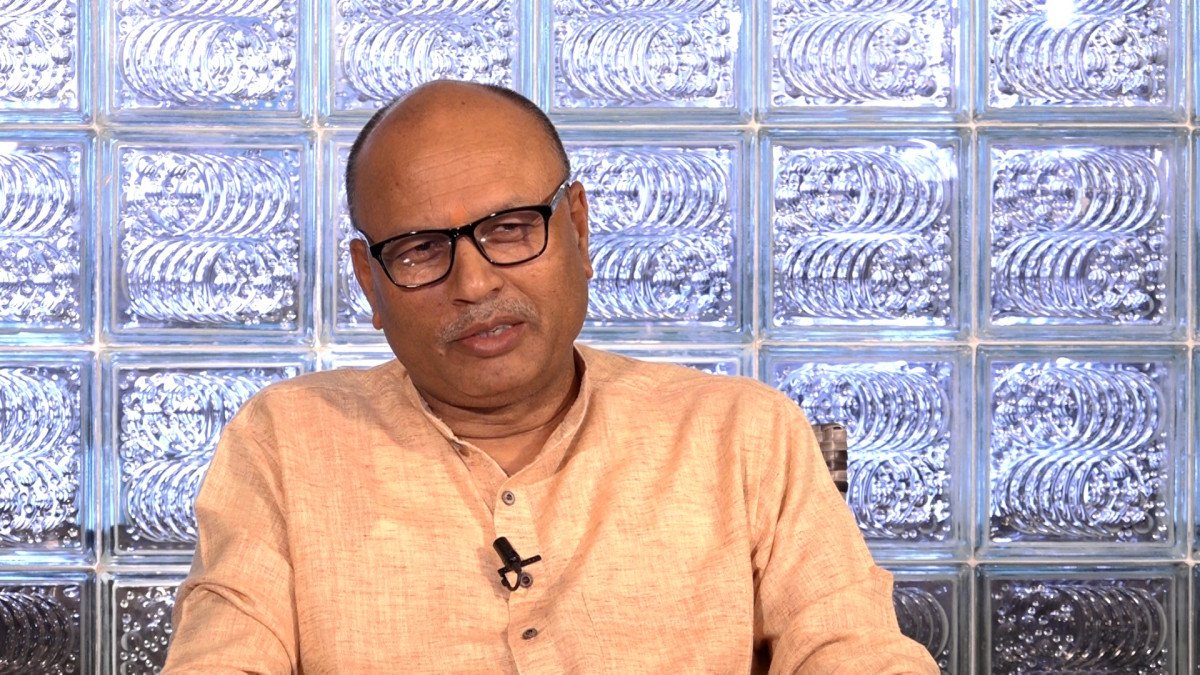
Jha became a proportional representation MP for the Sadbhavana Party in the 2064 Constituent Assembly election. The election symbol was the 'Arrow'. In the 2074 House of Representatives election, he was elected as a candidate from Rautahat-1 representing the Rastriya Janata Party Nepal. The election symbol was the 'Umbrella'.
Jha is currently a candidate in Rautahat-1. This time, he is in the electoral field using the Nepali Congress's 'Tree' election symbol.
Pushpa Kamal Dahal 'Prachanda'
Pushpa Kamal Dahal 'Prachanda', the coordinator of the Communist Party of Nepal (CPN), is also among those who contest elections by changing the party name and symbol. Prachanda, who emerged from the ten-year armed conflict, jumped into parliamentary politics starting with the first Constituent Assembly election in 2064 BS. The name of the party led by him has changed from CPN (Maoist) to Unified CPN (Maoist), then to CPN (Maoist Centre), and now to the Communist Party of Nepal (CPN). In five elections contested, he has competed under two election symbols.

Prachanda won elections in 2064 from Kathmandu-10 and Rolpa-2, in 2070 from Siraha-3, in 2074 from Chitwan-3, and in 2079 from Gorkha-2, all using the 'Hammer and Sickle' election symbol. However, in 2070, while contesting from Kathmandu-10 with the 'Hammer and Sickle' symbol, he was defeated by Congress candidate Rajan KC.
Currently, he is a candidate from East Rukum representing the CPN with the 'Star' election symbol.
Madhav Kumar Nepal
Madhav Kumar Nepal, co-coordinator of the CPN, has also competed using three different election symbols so far. Nepal began his parliamentary journey in 2048 BS.
He was elected representing the CPN-UML's 'Sun' symbol in the National Assembly in 2048, the House of Representatives election in 2056 from Rautahat-1, in 2070 from Rautahat-1, and in 2074 from Kathmandu-2. In the first Constituent Assembly election of 2064, Nepal contested from Rautahat-1 with the 'Sun' symbol but was defeated.
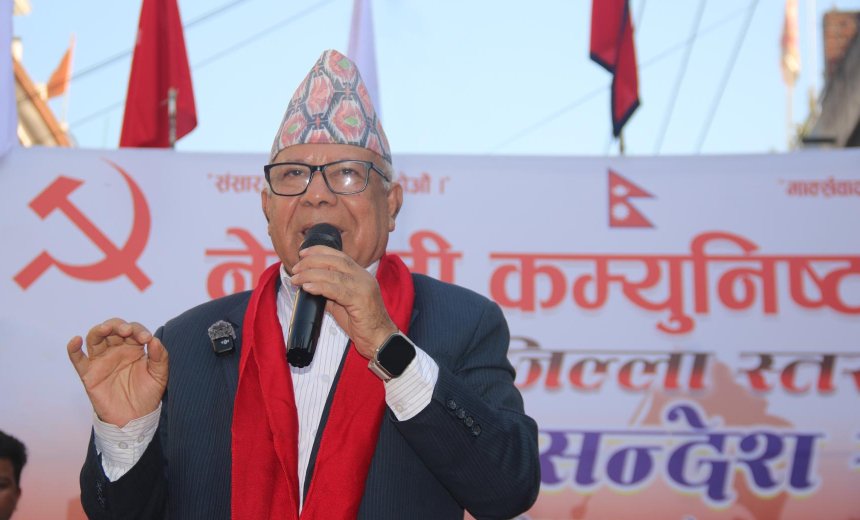
In 2079, Nepal was elected from Rautahat-1 using the 'Pen' election symbol of the then CPN (Unified Socialist). For the election on Falgun 21, Nepal is contesting with the 'Star' election symbol of the CPN. His constituency is Rautahat-1.
Janardan Sharma
Janardan Sharma is contesting the election on Falgun 21 after changing his election symbol and party. In the Constituent Assembly elections of 2064 and 2070, he was elected from Rukum using the Maoist party's 'Hammer and Sickle' election symbol.

Similarly, in 2074 and 2079, Sharma was elected as a member of the House of Representatives from Rukum West using the 'Hammer and Sickle' election symbol. Currently, he is competing to become an MP from Rukum West using the 'Eye' election symbol of the Pragatisheel Loktantrik Party.
Prem Ale
Prem Ale is also among the leaders who contest elections using different election symbols. Ale was elected in 2070 from Doti-2 and in 2074 from Doti representing the CPN-UML's 'Sun' symbol.
In 2079, Ale changed parties and moved to CPN (Unified Socialist). He was elected contesting with the 'Pen' election symbol of that party.
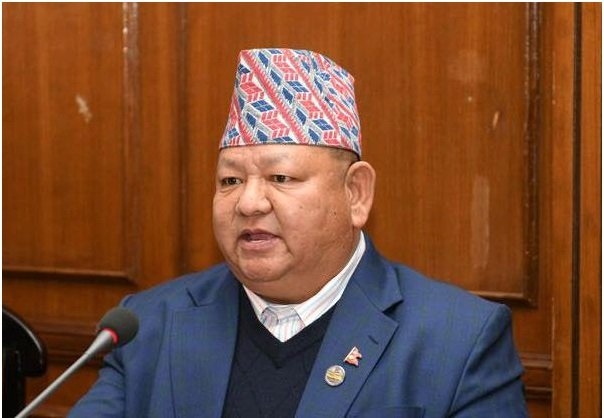
Currently, he is contesting under the 'Star' election symbol of the Nepali Communist Party. This time, he has not only changed his election symbol but also his constituency, moving from Doti to Kailali-5.
Dr. Bhim Rawal
CPN leader Dr. Bhim Rawal is contesting this time with a different election symbol. Rawal was elected contesting with the CPN-UML's 'Sun' symbol in 2051 from Achham-1, through the proportional representation system in 2064, and in 2070 and 2074 from Achham-1.

He is currently contesting from Achham-1 using the 'Star' election symbol of the Nepali Communist Party.
Mahendra Ray Yadav
Mahendra Ray Yadav is entering the field for the House of Representatives election on Falgun 21 with his fifth party and election symbol. In the 2051 and 2056 elections, Yadav was elected from Sarlahi-1 representing the CPN-UML's 'Sun' symbol.
In the 2070 Constituent Assembly election, after changing parties, he was elected as a candidate from Sarlahi-4 representing the Terai Madhes Sadbhavana Party. Subsequently, after changing parties again, he was elected from Sarlahi-2 in the 2074 House of Representatives election, contesting with the 'Umbrella' symbol of the Rastriya Janata Party Nepal.
In 2079, Yadav changed parties again and was elected from Sarlahi-2 using the CPN (Maoist Centre)'s 'Hammer and Sickle' election symbol. In the current election, he has once again changed parties and is contesting from Sarlahi-2 using the 'Star' election symbol of the Nepali Communist Party.
This specific news has been automatically translated by AI. As a result, there may be some inaccuracies or language errors.