Kathmandu's Air Quality Reaches Unhealthy Levels Amid Dry Weather Conditions

_3VnwyCxQ5L.jpg)
Kathmandu Valley's air pollution reached an unhealthy level today. According to the Air Quality Index (AQI) measurement, the air pollution in Kathmandu Valley reached 175 AQI by noon today.
Today, Kathmandu was ranked seventh among the world's most polluted cities. At that time, the world's most polluted city was Cairo, Egypt, where air pollution was measured at 273 AQI.
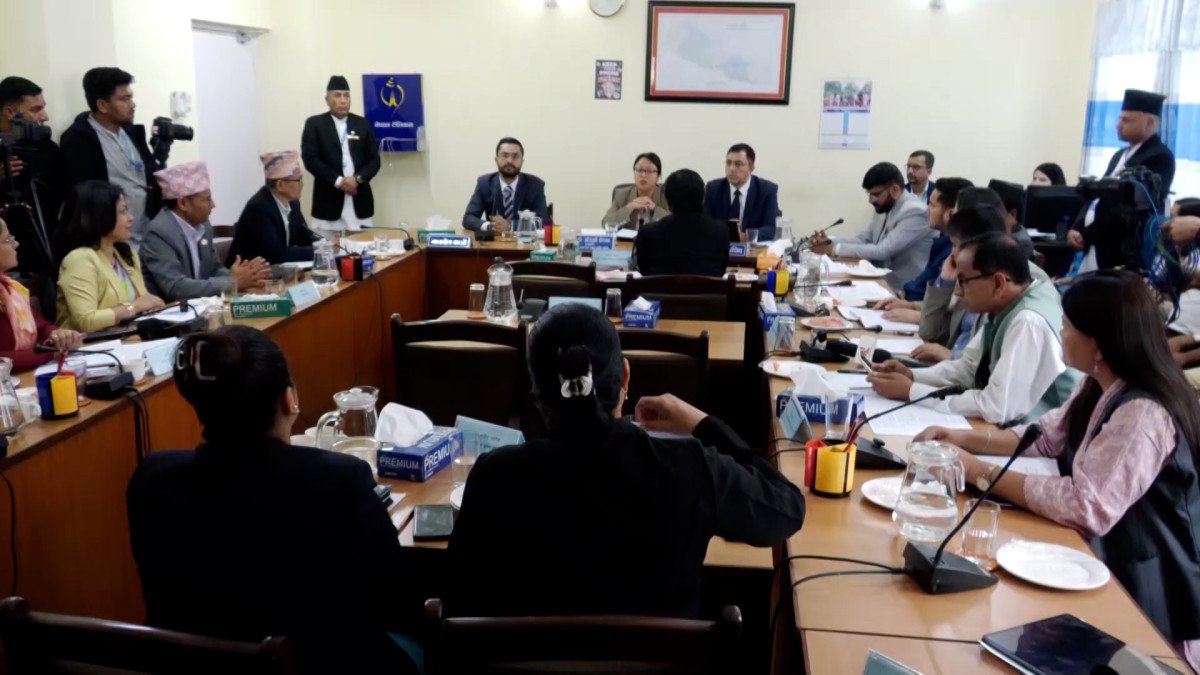
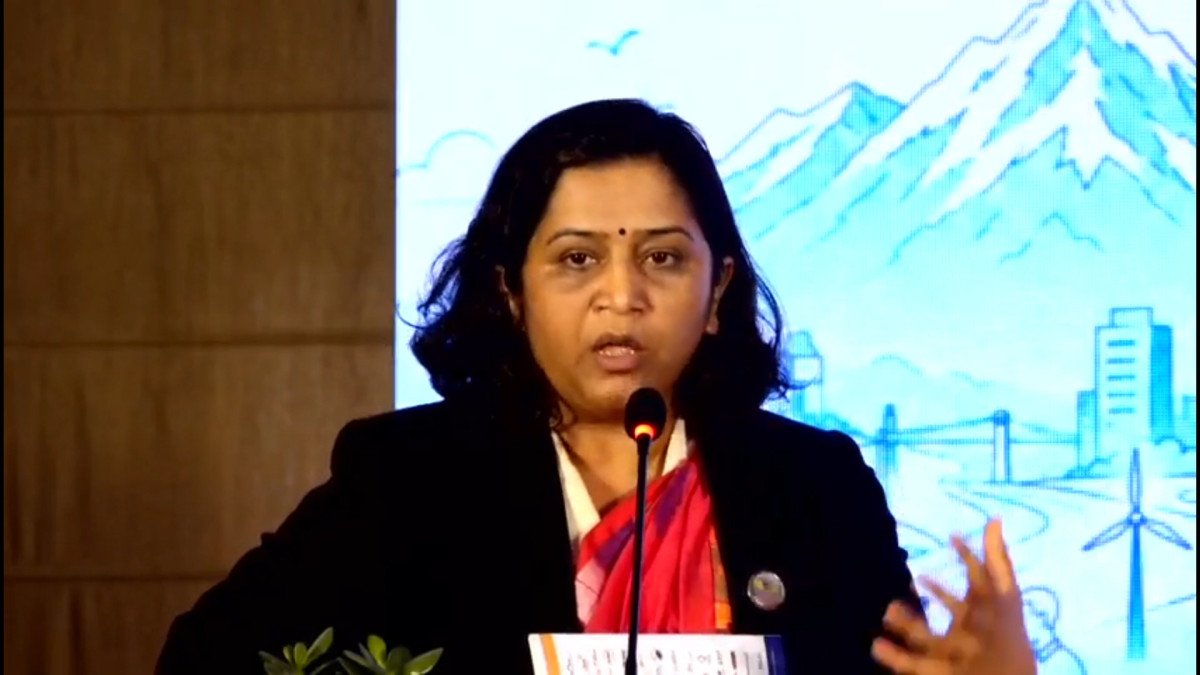
According to Gyanraj Subedi, Director General of the Department of Environment, the rise in air pollution is due to dry weather, lack of wind, operation of industries and factories, and rapid development construction.
"Smoke and dust emitted from industrial activities, cross-border pollution, and pollution coming from neighboring India have also had an impact," he said, adding, "The possibility of pollution increasing further remains until it rains." Subedi informed that suggestions have been given to the concerned bodies to emphasize environmentally friendly development.
According to disaster management expert Dr. Dharmaraj Upreti, 0 to 50 AQI is considered good (green signal), and 51 to 100 requires caution (yellow signal). Similarly, 101 to 150 AQI is considered unhealthy, affecting respiratory and cardiac patients. 151 to 200 AQI is unhealthy for everyone, 201 to 300 AQI is very unhealthy, and anything above 300 is considered extremely dangerous.
According to the Air Quality Management Action Plan for Kathmandu Valley, 2076, the Nepal government has a provision to consider an AQI exceeding 300 as a disaster.
To mitigate such disasters, the action plan mentions stopping the burning of waste, increasing the use of sweepers and vacuums for road cleaning, and issuing public notices for special precautions for children, the elderly, and the sick.
According to the National Environment Policy, 2076, the government's strategy is to prepare and implement national standards related to the prevention of water, air, soil, noise, electromagnetic wave, radioactive radiation, and hazardous chemical pollution to reduce air pollution.
Furthermore, it is mentioned that air, water, and noise quality mapping will be done by establishing quality monitoring centers in major cities, industrial areas, and locations at risk of pollution.
This specific news has been automatically translated by AI. As a result, there may be some inaccuracies or language errors.