From Near Collapse to Contender: How FC Barcelona Rebuilt After the Messi Era Crisis

In 2021, the world-renowned football club FC Barcelona faced a severe crisis. The main reasons were poor on-field performance, the club falling into over 1 billion Euros of debt, and the biggest blow: the departure of club legend Lionel Messi.
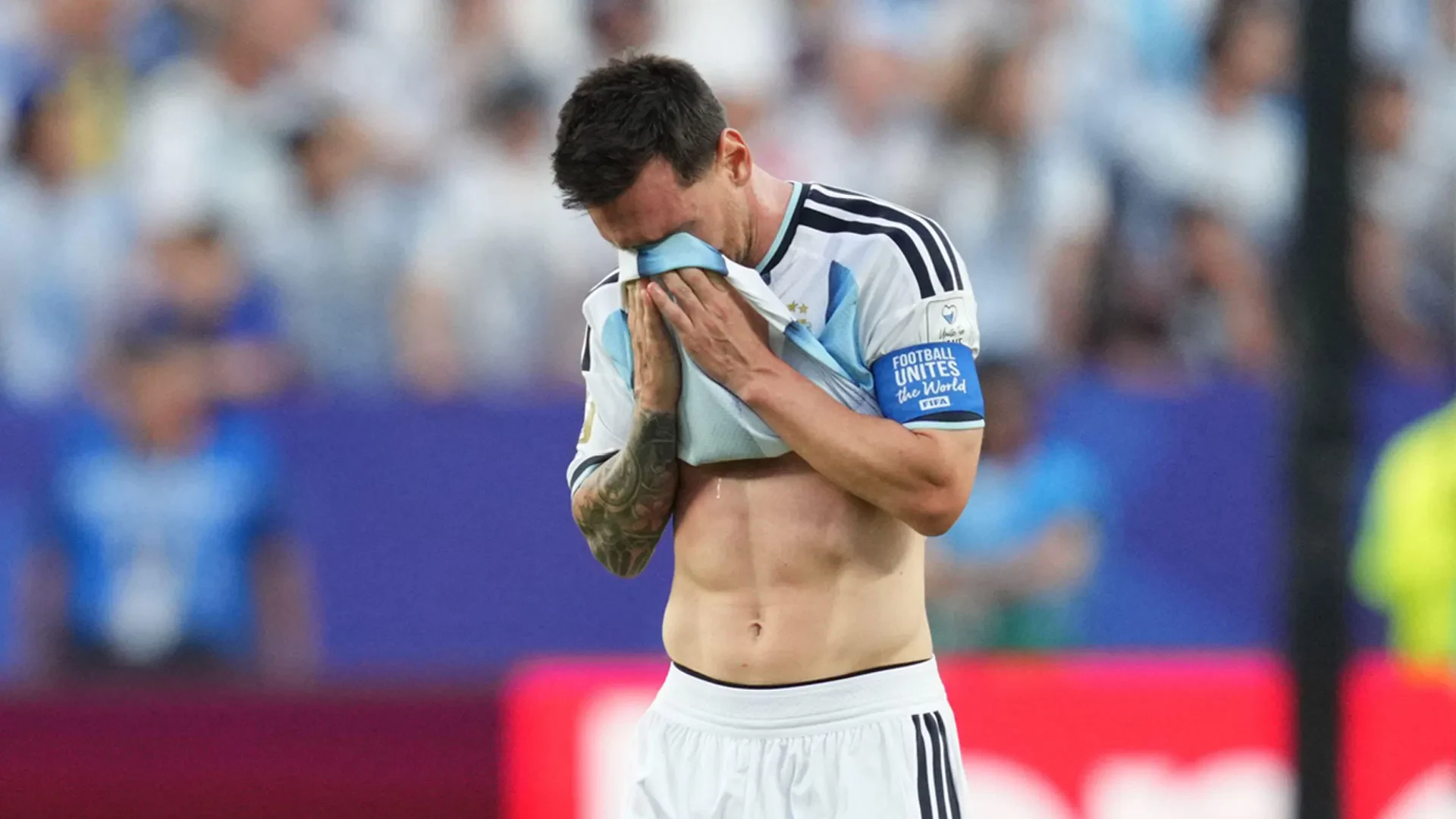
When Messi left in tears, many supporters felt that Barcelona's golden age had ended. The perception grew that the club had reached a point from which it could not recover for a long time. However, five years later, this same Barcelona has returned as a competitive team in Spain and Europe.
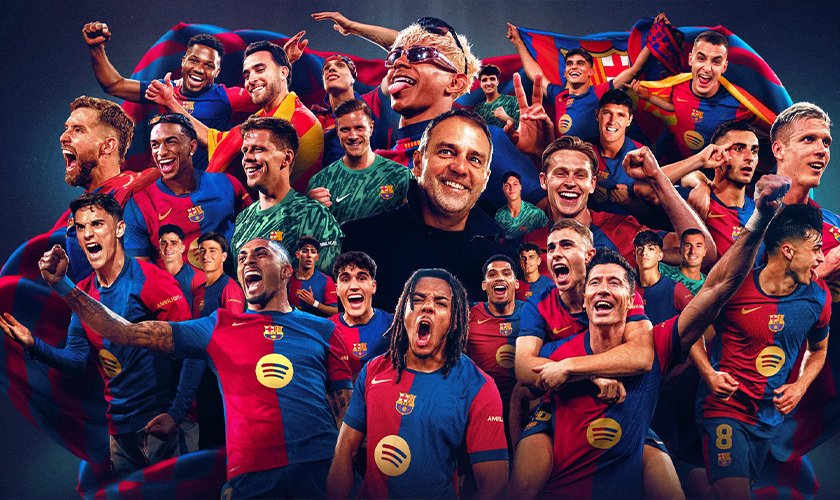
The article covers Xavi's dedication, the excellent performances of Lamine Yamal, Raphinha, and Lewandowski, as well as the arrival of Hansi Flick at the club. Most importantly, Joan Laporta's return as Barcelona's president for a second term has proven beneficial in many ways.
The End of the Bartomeu Era and the Financial Crisis
The root of Barcelona's crisis is linked to the tenure of then-president Josep Maria Bartomeu. Under his leadership, the club signed many players at inflated prices. Huge investments were made in players like Philippe Coutinho, Ousmane Dembélé, and Antoine Griezmann, but they failed to perform as expected. Furthermore, player salaries were increased unnaturally, which continuously unbalanced the club's income and expenditure.
By 2021, the club's debt had exceeded 1 billion Euros. Salary expenses reached 110 to 120 percent of income, which violated La Liga's financial regulations. This is why Barcelona struggled to sign new players. Amidst this crisis, the club could not retain Lionel Messi, the greatest player in its history. Although a new contract was agreed upon for Messi, he was forced to leave because the deal could not be registered due to La Liga's salary cap rules. This event exposed Barcelona's crisis to the world.
Laporta's Arrival and the Start of Financial Recovery
At the height of the club's crisis, Joan Laporta became Barcelona's president for the second time on March 7, 2021. His first term was historically marked by great success, so supporters began to see hope again. Laporta's first priority was to stabilize the club financially.
He renegotiated contract agreements with high-earning players. Club legends Gerard Piqué, Sergio Busquets, Jordi Alba, and Sergi Roberto helped the club by taking salary cuts. This immediately helped reduce the financial burden. Simultaneously, players deemed less essential to the team were moved out.
Antoine Griezmann returned to Atlético Madrid on loan, while Emerson Royal moved to Tottenham. Due to a limited budget, players like Luuk de Jong, Eric García, and Memphis Depay were brought in on free transfers or for low fees. These players played a crucial role in steadying the team during difficult times.
Along with financial recovery, on-field improvement was also necessary. Under coach Ronald Koeman, Barcelona faced accusations of losing its identity. Criticism mounted after the team was eliminated from the Champions League group stage and forced to play in the Europa League. Koeman was eventually sacked in October 2021.
The club then appointed former captain Xavi Hernández as coach. When Xavi arrived, Barcelona was ninth in La Liga. The team had lost confidence. Xavi attempted to bring back discipline, hard work, and the traditional style of play to the club. Under his leadership, the team gradually showed improvement. In the 2021-22 season, Barcelona finished second in La Liga, reached the Europa League semi-finals, and defeated Real Madrid 4-0. This signaled that the team was heading in the right direction.
Financial 'Levers' and the La Liga Title
To make the team more competitive, Laporta utilized 'economic levers' in 2022—special financial measures adopted to generate immediate cash flow. This created a path to immediately reduce some of the club's financial burden. The club raised immediate funds by selling a portion of future broadcasting rights and Barça Studios. This allowed for the signings of Andreas Christensen, Franck Kessié, Raphinha, Jules Koundé, and Robert Lewandowski, whose arrivals strengthened the squad.
The result of this was seen in the 2022-23 season. Barcelona won the La Liga title with a strong defense. However, the team failed to achieve expected results in European competitions. The 2023-24 season also brought disappointing results. After losing to Real Madrid in the Supercopa final and being defeated by PSG in the Champions League, questions were raised about Xavi, and he eventually departed the club.
Hansi Flick's Impact and the New Barcelona
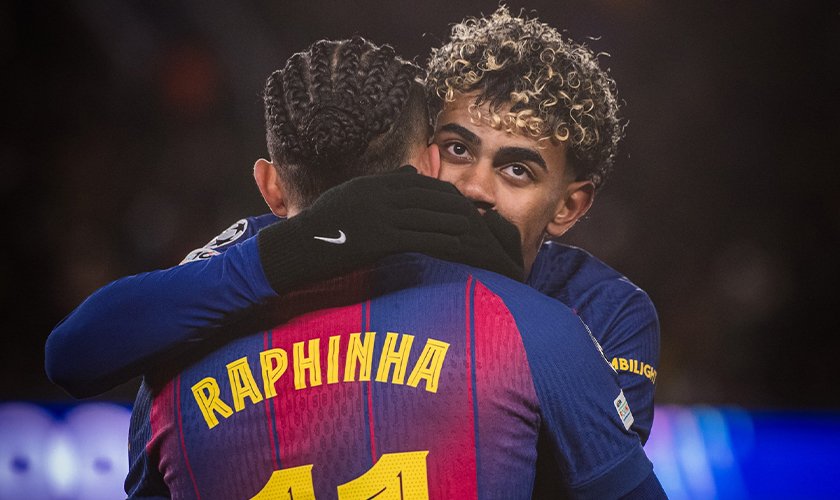
German coach Hansi Flick, who succeeded Xavi, brought significant changes to the team. He adopted a style based on aggressive pressing, fast play, and discipline. Despite limited transfers, he improved player performance. Players like Raphinha, Lewandowski, and Íñigo Martínez once again shone. In the 2024-25 season, Barcelona won three domestic titles and reached the Champions League semi-finals. Impressive victories against major teams hinted at Barcelona's resurgence.
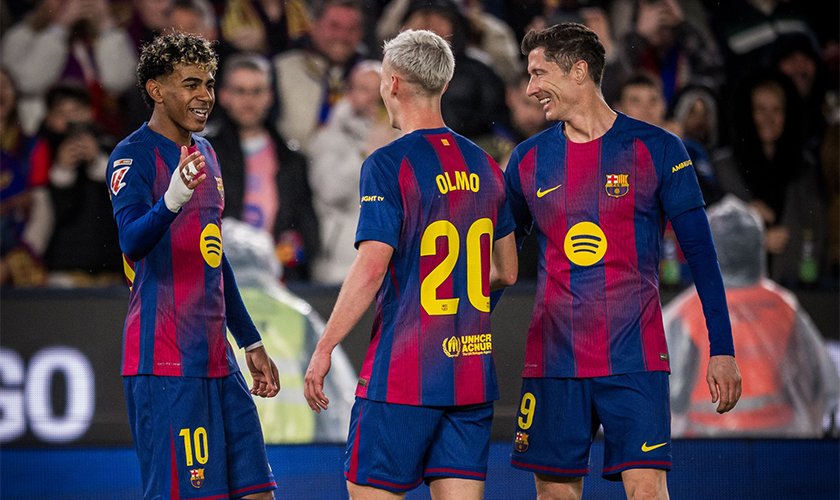
Barcelona remains a contender for the treble this season. Having reached the top eight in the Champions League and strengthening its chances of advancing, Barcelona is also at the top of La Liga this season. Barcelona's recent performance, the energy of João Félix, and players like Lamine Yamal, Lewandowski, and Raphinha have given the club a distinct momentum.
The club's current debt has decreased to approximately $469 million. The expected return to the renovated 'Spotify Camp Nou' is anticipated to boost long-term revenue. The club believes income will increase from stadium capacity, VIP services, and museum tours.
This specific news has been automatically translated by AI. As a result, there may be some inaccuracies or language errors.