Rights Groups Claim Over 6,000 Killed in Iran's Anti-Government Crackdown

Human rights organizations have stated that at least 6,126 people have died during the crackdown on nationwide anti-government protests in Iran. It is suspected that many more people are still missing.
According to details released by the US-based human rights activist news agency on Tuesday, among the deceased were at least 5,777 protesters, 214 pro-government security personnel, 86 children, and 49 ordinary citizens not participating in the protests. Furthermore, it has been reported that over 41,800 people have been arrested.
The Associated Press reported that confirming the exact death toll independently is difficult because Iranian officials shut down internet services and obstructed communications.
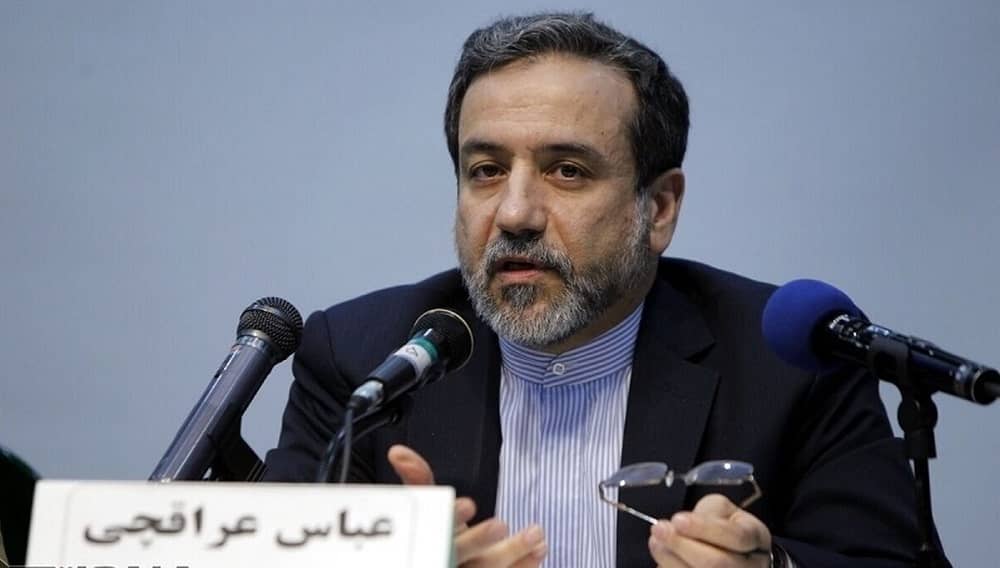
Meanwhile, the Iranian government claims the death toll is 3,117, stating that the majority were civilians and security personnel, while labeling the rest as 'terrorists'. The Iranian government has previously faced criticism for not releasing the true extent of the damage during the unrest.
These protests began on December 13 last year. The movement spread nationwide following the sharp devaluation of the Iranian currency. The situation has become more tense after the government cracked down hard to control the protests. The internet was completely shut down for more than two weeks, which is considered the most extensive disruption in Iran's history.
In the meantime, the United States has increased its military activity in the Middle East. A US aircraft carrier strike group has arrived in the region, which is viewed as preparation for potential military action against Iran. However, some Arab nations in the Gulf region have indicated they will not participate in any attack.
Iran has accused the US threats of escalating regional tensions. Although Iran's representative at the United Nations claimed the US incited violence, no concrete evidence has been presented.
Analysts say these events have created the largest humanitarian crisis in Iran in decades, with comparisons being drawn to the situation following the 1979 Islamic Revolution.
This specific news has been automatically translated by AI. As a result, there may be some inaccuracies or language errors.

_HSVUbGHJpC.jpg)