Infrastructure Expert Questions Compulsion for Top Students to Choose Science and Technology Fields in Nepal

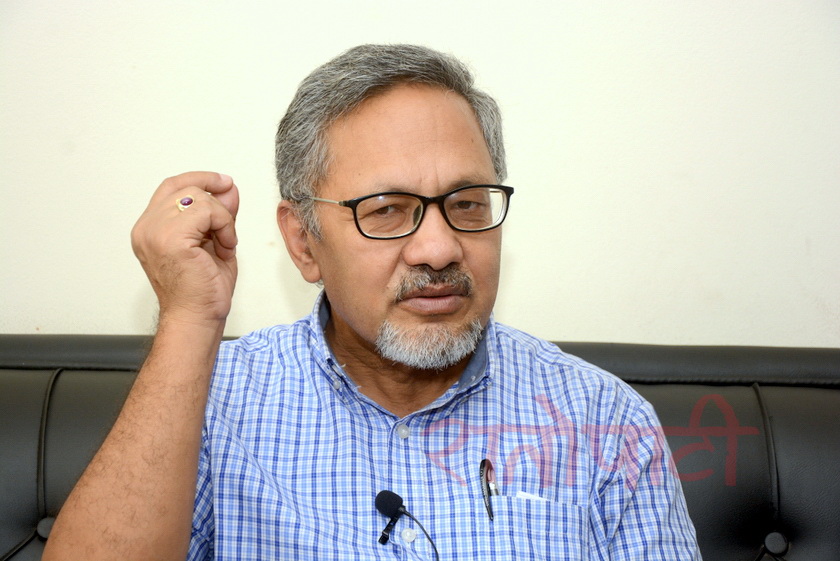
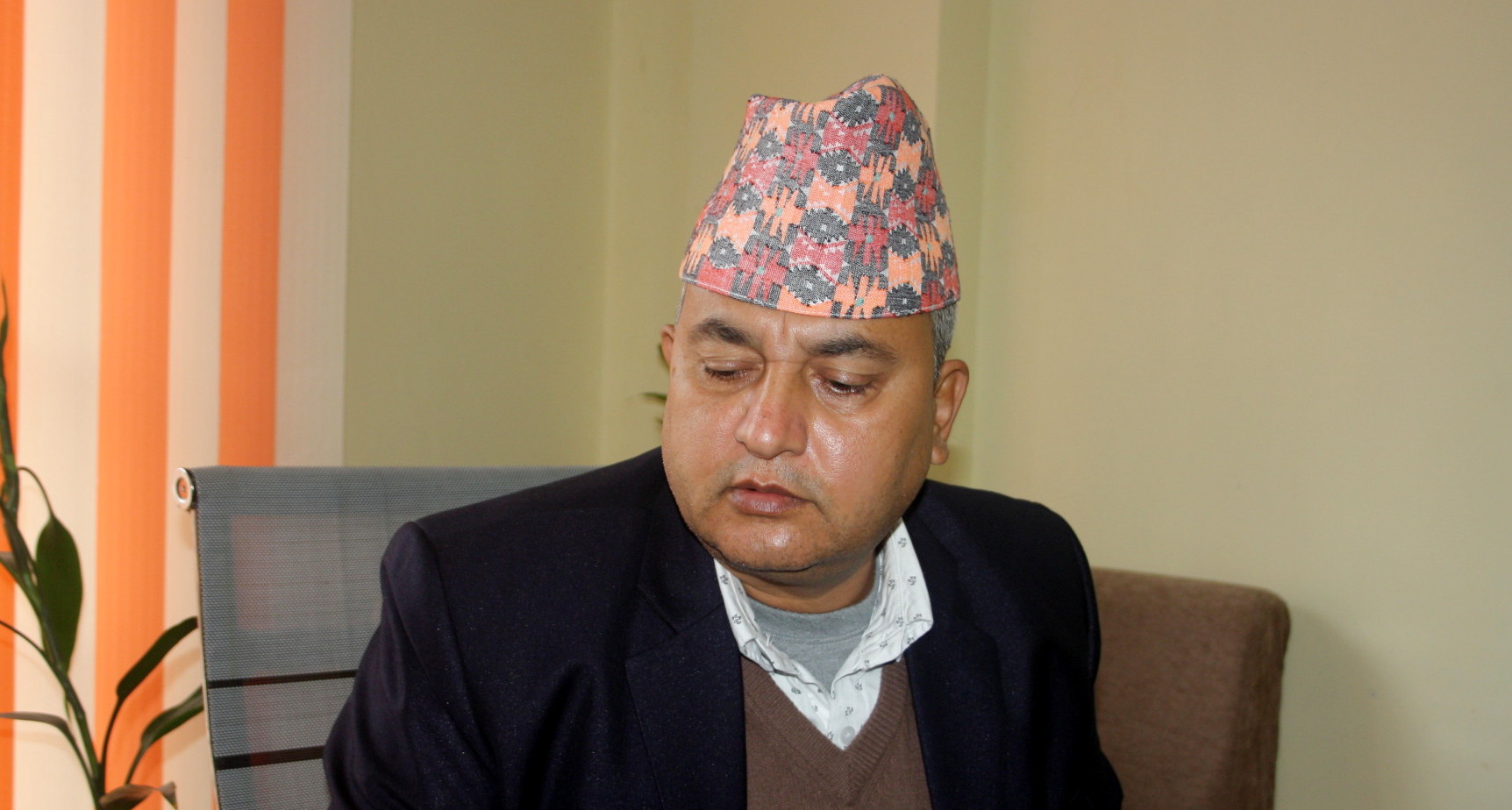
Infrastructure expert Dr. Surya Raj Acharya has questioned the mandatory social psychology in Nepal that compels academically excellent students to choose science and technology subjects. He remarked that the traditional thinking that bright students with good grades must become doctors or engineers is flawed.
Sharing his experience on social media on Monday, Acharya recalled that during his school life, teachers encouraged him to study science, saying he had the "intelligence to become a pilot" when he ranked first. He mentioned that after achieving good marks up to SLC, he also pursued engineering after planning according to that social pressure and psychology, and became an engineer from India. However, he noted that when going abroad for higher education, students with good grades in developed countries choose not only science but also subjects like law, economics, and management.
He clarified that in developed countries, meritorious students prioritize which university is excellent over the subject itself, and they usually choose subjects according to their interests in the later stages of their undergraduate studies. In Nepal, however, the mindset that students with top grades must study medicine or engineering remains strong, except in a few limited schools.
He expressed surprise as to why students with good grades are not attracted to highly relevant and important subjects like law and economics. Acharya concluded that the problem arises due to insufficient awareness among students, parents, and teachers about the importance of such subjects. He pointed out that there is equal potential in social sciences, humanities, and arts and literature, not just science and technology. Stating that this issue has not been seriously raised in education policy and public discourse, he said it is time to debate this matter now.
This specific news has been automatically translated by AI. As a result, there may be some inaccuracies or language errors.
_JVkBEtcczA.jpg)