ICC Replaces Bangladesh with Scotland for 2026 T20 World Cup After Security Concerns


The International Cricket Council (ICC) has replaced Bangladesh with Scotland for the 2026 T20 World Cup. This decision comes after nearly three weeks of discussions, following the Bangladesh Cricket Board's (BCB) refusal to send the team to the tournament scheduled in India due to security concerns.

It is understood that the ICC informed the BCB of this decision via email on Friday evening. The BCB had previously informed that the Bangladesh government did not grant permission for the tour to India for the tournament starting February 7.
In this context, here are 5 other instances where teams refused to travel to the host nation to play in an ICC tournament:
1. 1996 ODI World Cup: Australia and West Indies Refuse to Play in Sri Lanka
On the eve of the 1996 ODI World Cup, co-host Sri Lanka was embroiled in a civil war. A bomb blast in Colombo just two weeks before the tournament began drastically escalated security concerns.
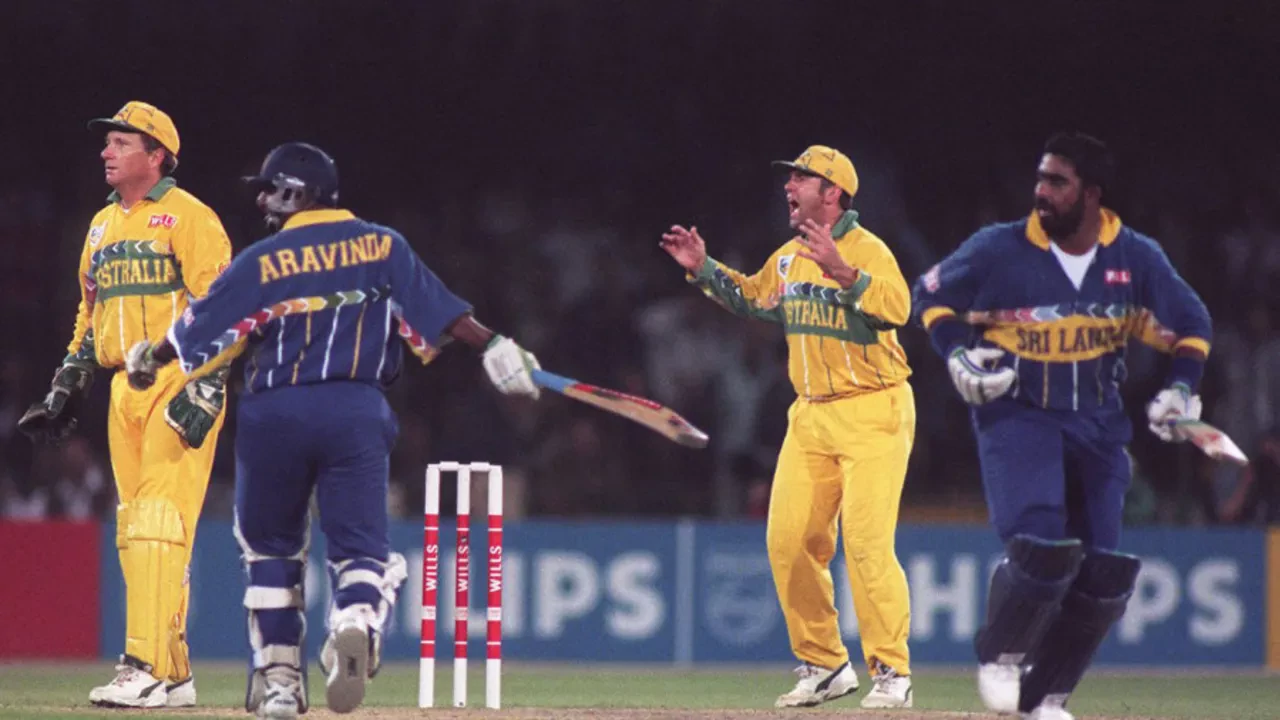
To show solidarity with the co-host, a combined team from India and Pakistan played a friendly match against Sri Lanka in Colombo before the tournament began. However, Australia and the West Indies refused to travel to Colombo for their group stage matches against Sri Lanka, resulting in them forfeiting those games.
Interestingly, Sri Lanka easily reached the quarterfinals (as did Australia and the West Indies) and ultimately defeated Australia in the final held in Lahore to win the World Cup.
2. 2003 ODI World Cup: England Refuses to Play Zimbabwe and New Zealand Boycotts Kenya
In the first World Cup hosted in Africa (jointly by South Africa, Zimbabwe, and Kenya), two teams refused to play in the host nations.
Due to the UK government's (led by Tony Blair) strong stance against Zimbabwe's ruler Robert Mugabe, England refused to play against Zimbabwe in Harare.
Meanwhile, New Zealand declined to play against Kenya in Nairobi citing security reasons following a bomb blast in Mombasa a few months prior.
Although both England and New Zealand requested a change of venue, the ICC did not agree and awarded 'walkovers' (declared winners) to Zimbabwe and Kenya. Consequently, England was eliminated in the first round, while New Zealand narrowly made it to the Super Six. Kenya, benefiting from the walkover, managed to reach the semi-finals.
3. 2009 T20 World Cup: Zimbabwe Withdraws
Five years later, relations between Mugabe's Zimbabwe and Britain had not improved. Uncertainty arose regarding whether Zimbabwean players would receive visas for the 2009 T20 World Cup, which was hosted by England.
Eventually, in July 2008, a 'win-win' agreement was reached between the ICC and Zimbabwe. Zimbabwe withdrew from the tournament, stating it was for the greater good of the game. Although they mentioned they didn't want to attend an invitation they weren't extended, they received the full participation fee. Scotland was brought in as a replacement for Zimbabwe through qualifiers.
4. 2016 U-19 World Cup: Australia Withdraws
In October 2015, Australia canceled a bilateral series scheduled to be held in Bangladesh due to security concerns. Their stance remained unchanged by the time the 2016 U-19 World Cup arrived.
They concluded that the threat to Australian interests in Bangladesh remained high as before. While the ICC 'respected' Australia's decision not to travel to Bangladesh, it expressed disappointment. Ireland took Australia's place in the tournament.
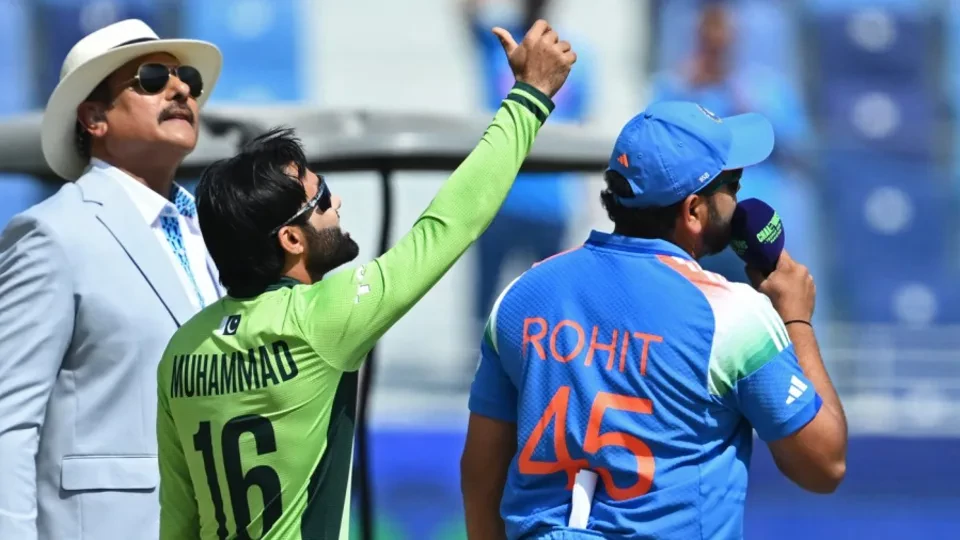
5. 2025 Champions Trophy: India Refuses to Travel to Pakistan
The 2025 Champions Trophy was set to be the first ICC tournament held in Pakistan in 29 years. Although Pakistan was confirmed as the host in November 2021, a major question remained whether India, which had not visited Pakistan since 2008, would travel there due to strained bilateral political relations.
Pakistan had toured India for the 2023 ODI World Cup, but it was not clear if India would reciprocate. Eventually, as the tournament approached, the BCCI announced that it would not play its Champions Trophy matches in Pakistan, citing lack of government approval.
Following a long tug-of-war between the boards of the two countries and the ICC, an agreement was reached for the 2024-2027 cycle: matches involving India or Pakistan in any ICC tournament hosted by the other country would be played at a neutral venue.
Consequently, India's matches in the 2025 Champions Trophy were played in Dubai, and India went on to win that tournament.
This specific news has been automatically translated by AI. As a result, there may be some inaccuracies or language errors.




_6m81ulcfI8.webp)

_YDrQKoMDSE.jpg)