Japanese Encephalitis Cases Confirmed in Two Women from Mechinagar

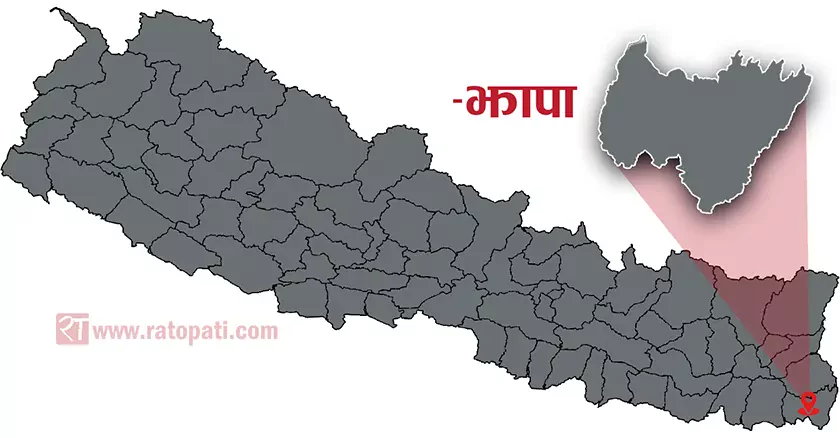
Viral Infection Detected in Jhapa District
Two women from Mechinagar Municipality in Jhapa district have been diagnosed with Japanese Encephalitis, a mosquito-borne viral infection. According to Savitri Sapkota, chief of the Mechinagar Health Branch, the infected individuals include a 36-year-old woman from Ward No. 3 and a 55-year-old woman from Ward No. 5. Both patients received treatment at Purnetung Birta City Hospital in Birtamod and have since been discharged in stable condition.
Serious Health Risks of Japanese Encephalitis
Japanese Encephalitis is transmitted through mosquito bites and primarily affects the brain and nervous system. Ramesh Barakoti, head of the Jhapa Health Office, warns that the disease can cause neurological damage, paralysis, and even death if not treated promptly. The virus spreads when mosquitoes bite infected animals (such as pigs, ducks, and poultry) and then transmit it to humans.
Emergency Response and Prevention Measures
Following the detection of cases, a high-level health team—including Jhapa Health Chief Barakoti, WHO representative Dr. Sonia Bhagat, and Dr. Sangita Sah from Bhadrapur Regional Hospital—held discussions with local officials. The team recommended:
-
Public awareness campaigns to prevent further spread
-
Active case detection and timely treatment
-
Mosquito control measures
Mechinagar Mayor Gopalchandra Budhathoki has directed health workers to conduct door-to-door awareness programs and ensure immediate medical care for suspected cases. Deputy Mayor Meena Upreti added that severe cases would be referred to Bhadrapur Regional Hospital for advanced treatment.
Symptoms and Preventive Measures
Key symptoms of Japanese Encephalitis include:
-
High fever
-
Severe headache
-
Neck stiffness
-
Seizures or unconsciousness
-
Difficulty breathing
Prevention tips from health officials:
✔ Wear full-sleeved clothing to avoid mosquito bites
✔ Use mosquito nets while sleeping
✔ Vaccinate children (first dose at 12 months, catch-up dose at 5 years if missed)
Health Branch Chief Sapkota emphasized that mosquito bite prevention is the best defense against this potentially fatal disease. Authorities are now intensifying efforts to curb further infections in the region.


_sCLDfWVnnm.jpg)