All Accused Acquitted in 2006 Mumbai Train Blasts Case

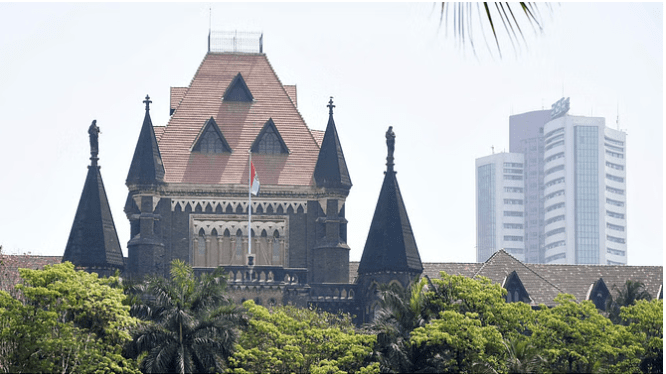
Mumbai/New Delhi – In a landmark verdict, the Bombay High Court on Monday acquitted all 12 individuals previously convicted in the deadly 2006 Mumbai local train bombings case, delivering a stunning reversal in one of India's most high-profile terrorism cases.
Court Delivers Scathing Rejection of Prosecution Case
A special division bench comprising Justices Anil Kilor and Shyam Chandak delivered a withering assessment of the prosecution's failed efforts, stating they had "completely failed to prove the charges beyond reasonable doubt." The judges noted it was "difficult to believe the accused committed these crimes" based on the shoddy evidence presented. The ruling vacates all previous sentences – including five death penalties and seven life terms – and orders the immediate release of all defendants, none of whom face other pending charges.
Background: The Horrific 2006 Attacks
The coordinated terror strikes on July 11, 2006 targeted Mumbai's bustling Western Railway network during evening rush hour. Seven bombs detonated within 11 minutes across first-class compartments, killing 187 commuters and injuring over 800 in what remains one of India's deadliest rail attacks. Initial investigations pointed to involvement of Lashkar-e-Taiba and the banned Students Islamic Movement of India (SIMI).
Twisting Legal Saga Ends in Acquittal
The case saw multiple twists across its 19-year judicial journey:
-
2015: A special anti-terror court convicted 12 suspects after a marathon trial
-
2024: High Court demolishes prosecution's case for lacking "credible evidence"
-
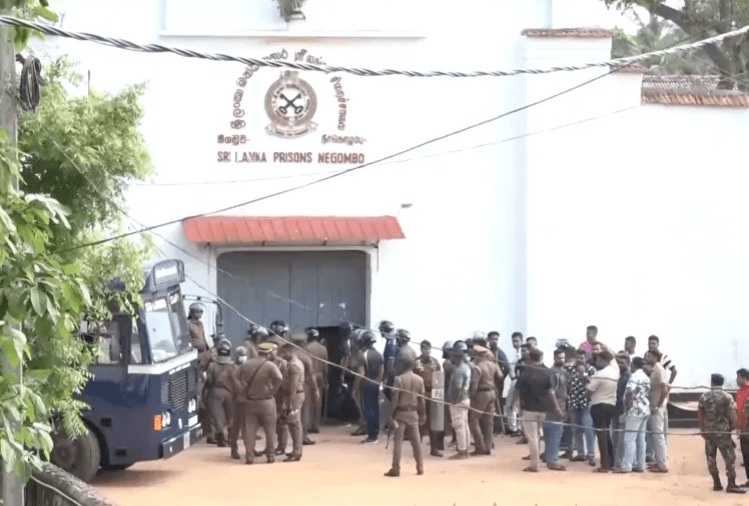
Defendants appeared via video link from various Maharashtra prisons to hear their exoneration
Fallout and Lingering Questions
The verdict sparked mixed reactions across India's legal and political spectrum. While human rights advocates hailed it as justice delayed but ultimately served, victims' families expressed anguish. The judgment raises troubling questions about:
-
Investigation failures in high-stakes terror cases
-
Systemic delays that kept defendants jailed for nearly two decades
-
Potential wrongful conviction compensation claims
Legal experts note this follows a pattern of high-profile terrorism cases collapsing under appellate scrutiny, similar to the 2022 Aarushi-Hemraj murder case acquittals. As the freed individuals return to society, the ruling intensifies debates about India's counterterrorism legal framework and the human cost of flawed prosecutions.
The Bigger Picture: This case may prompt judicial reviews of other pending terror convictions and force law enforcement agencies to re-examine investigative protocols in complex terrorism cases.