FIFA Referees Chief Denies Egypt's 'Baseless Allegations' After World Cup Exit

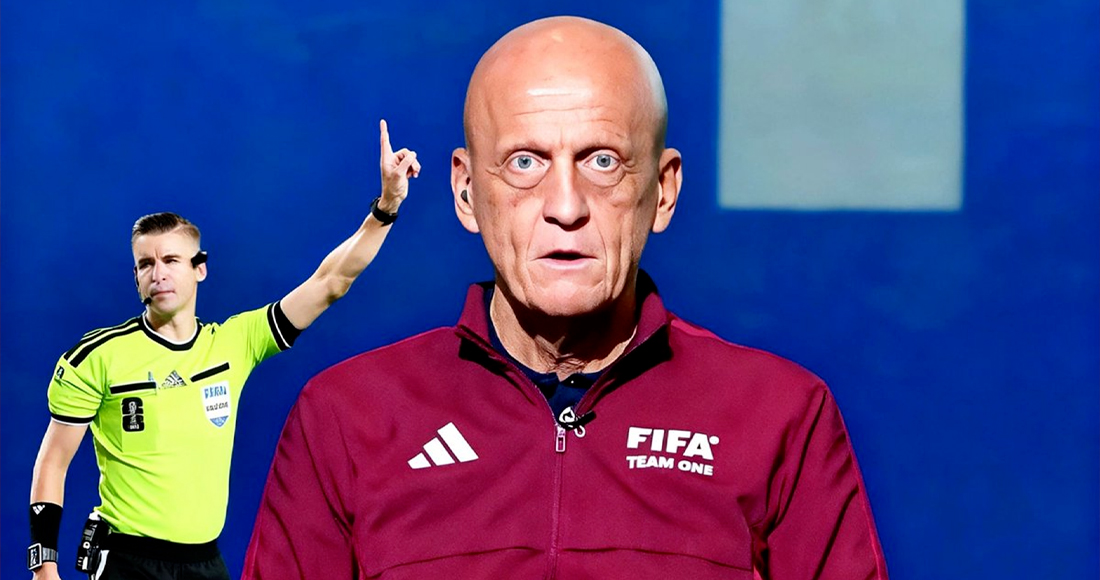
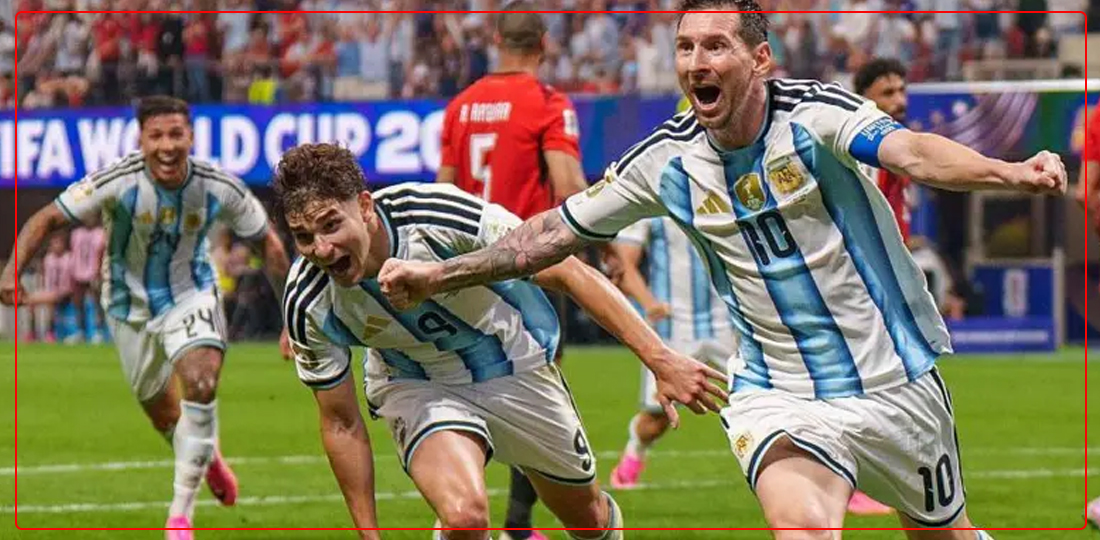
New York. FIFA's chief refereeing officer Pierluigi Collina has denied Egypt's 'baseless allegations' after being defeated 3-2 by Argentina. He said, 'No one can question the integrity of the World Cup match officials.'
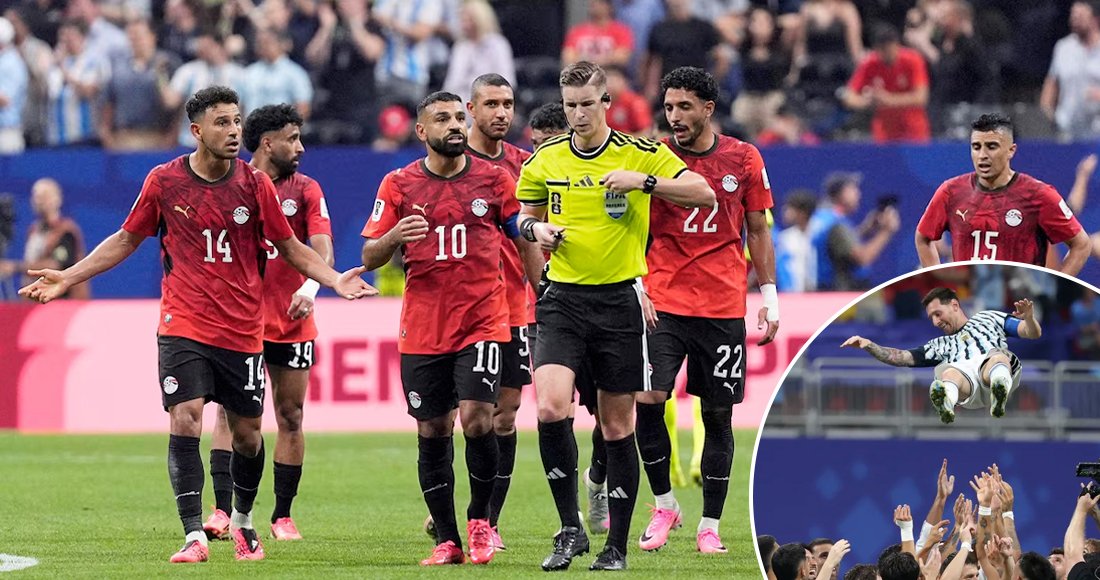
The Egyptian Football Association (EFA) wrote a letter to FIFA on Tuesday demanding that the referees who defeated their team in the World Cup Round of 16 match be removed from the competition. The EFA demanded an investigation, alleging that the referees applied double standards in two fouls when Argentina overturned a 2-0 deficit to win in the second half of the match.
Collina said, 'Constructive discussions about decisions are always part of football, but baseless allegations have no place in our game.'
He added, 'No one can question the integrity of FIFA World Cup match officials. When this happens, it can promote threatening reactions against them and their families. This is not right.'
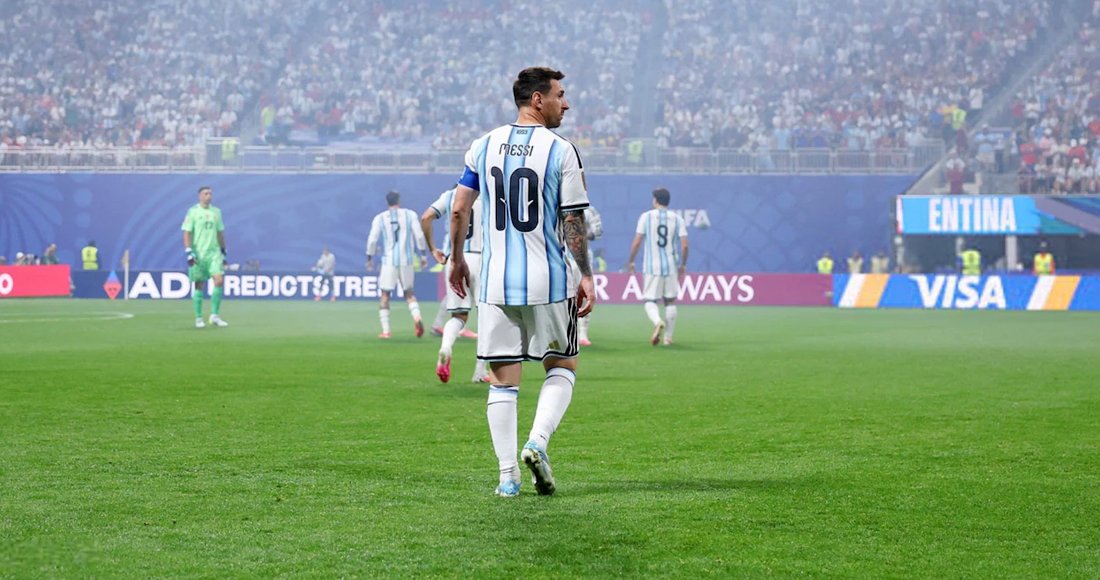
After the match, Egypt's manager Hossam Hassan had said that Egypt had been 'treated unfairly' and that they had 'not received justice'. He had said, 'Perhaps they wanted to keep the world champions in the competition. Perhaps they wanted to advance Messi.'
Collina countered this by adding, 'Similarly, no one can claim that FIFA's refereeing system can be influenced by anyone, not even the FIFA President (Gianni Infantino).'
'Infantino trusts us to work with complete freedom and always shows full support to the FIFA team one. Match officials make honest decisions and like players and coaches, they always try to do their best.'
FIFA also faced widespread criticism after deciding not to uphold the automatic ban on Folarin Balogun, who received a red card in the match against Bosnia-Herzegovina. The European football governing body UEFA called the decision 'unprecedented, incomprehensible, and unjustified'.
Meanwhile, US President Donald Trump also said he had urged FIFA to reconsider the decision.
- Collina Explains Referee's Decision
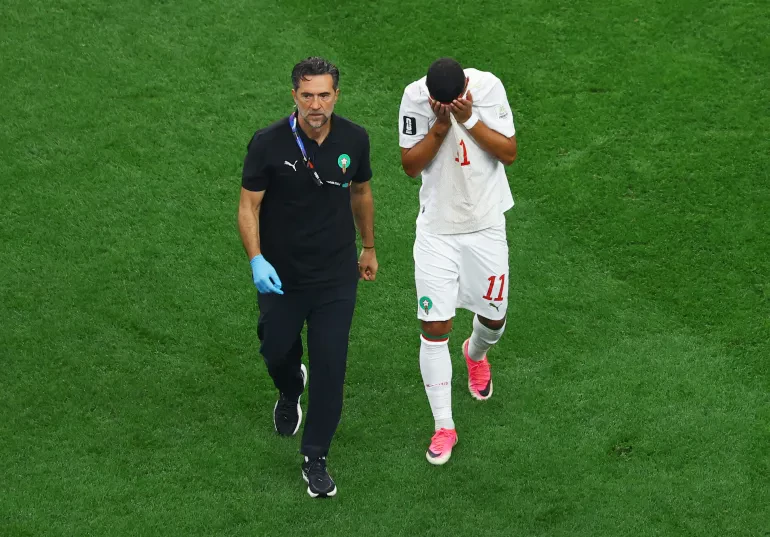
Egypt was leading 1-0 in the second half of the match against Argentina. At that time, the Video Assistant Referee (VAR) disallowed Mostafa Zico's goal. Marwan Attia was penalized for stepping on Lisandro Martinez's foot in midfield at the start of the goal.
Similarly, a potential foul on Mohamed Salah in Argentina's penalty area was also dismissed by the referee. Seconds later, defending champions Argentina counter-attacked and scored the winning goal in injury time.
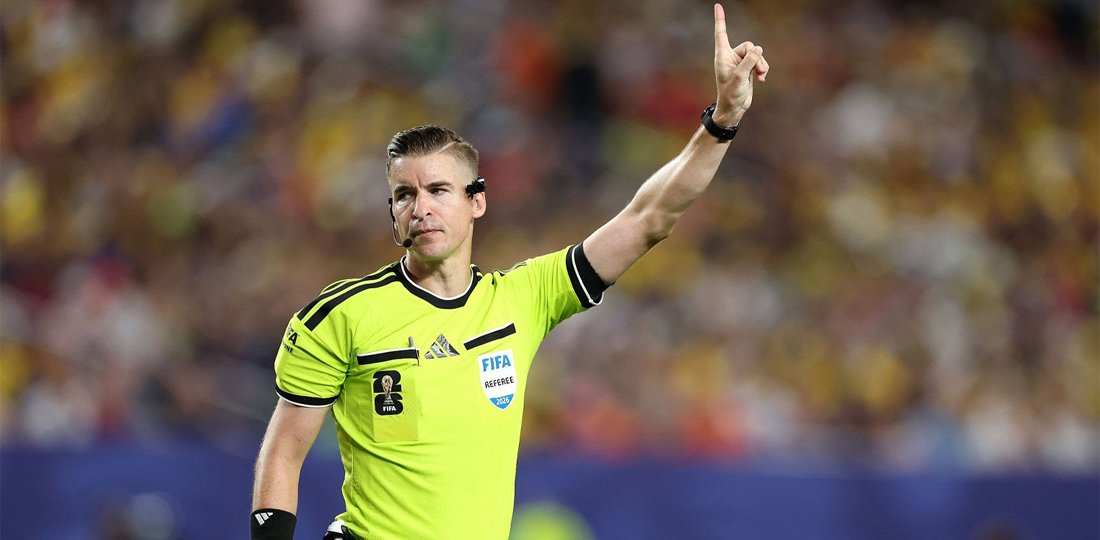
Although Collina usually does not comment on 'special incidents' in major tournaments, he defended both decisions.
He added, 'After every goal, VAR checks the attacking possession phase. If a foul is deemed to have occurred in the build-up to the goal and it affected the goal, VAR recommends going to the pitchside VAR monitor.'
'There is no fixed limit on how far from the goal or how much time has passed between the incident and the goal.'
'An example of this was seen in the match against Argentina, where Egypt's number 19 Marwan Attia clearly stepped on the foot of Argentina's number 6 Lisandro Martinez.'
'We believe that a foul is a foul. Whether the foul is 'clear' or not, if the referee on the field does not see it, VAR can intervene.'
'Similarly, if no foul is seen in the build-up to the goal, VAR advises the referee accordingly. Stepping on an opponent's foot is a foul, while if a defender touches the ball first and then makes normal football contact, they have not committed a foul.'
'An example of this was also seen at the end of the same match. The referee and VAR considered the incident between Egypt's number 10 Mohamed Salah and Argentina's number 9 Julian Alvarez as normal football contact.'
'Of course, some decisions always have an element of subjectivity, but we are happy with how this principle has been applied throughout the tournament.'
BBC
This specific news has been automatically translated by AI. As a result, there may be some inaccuracies or language errors.