Foreign Drug Company Inspections Halted for Three Years

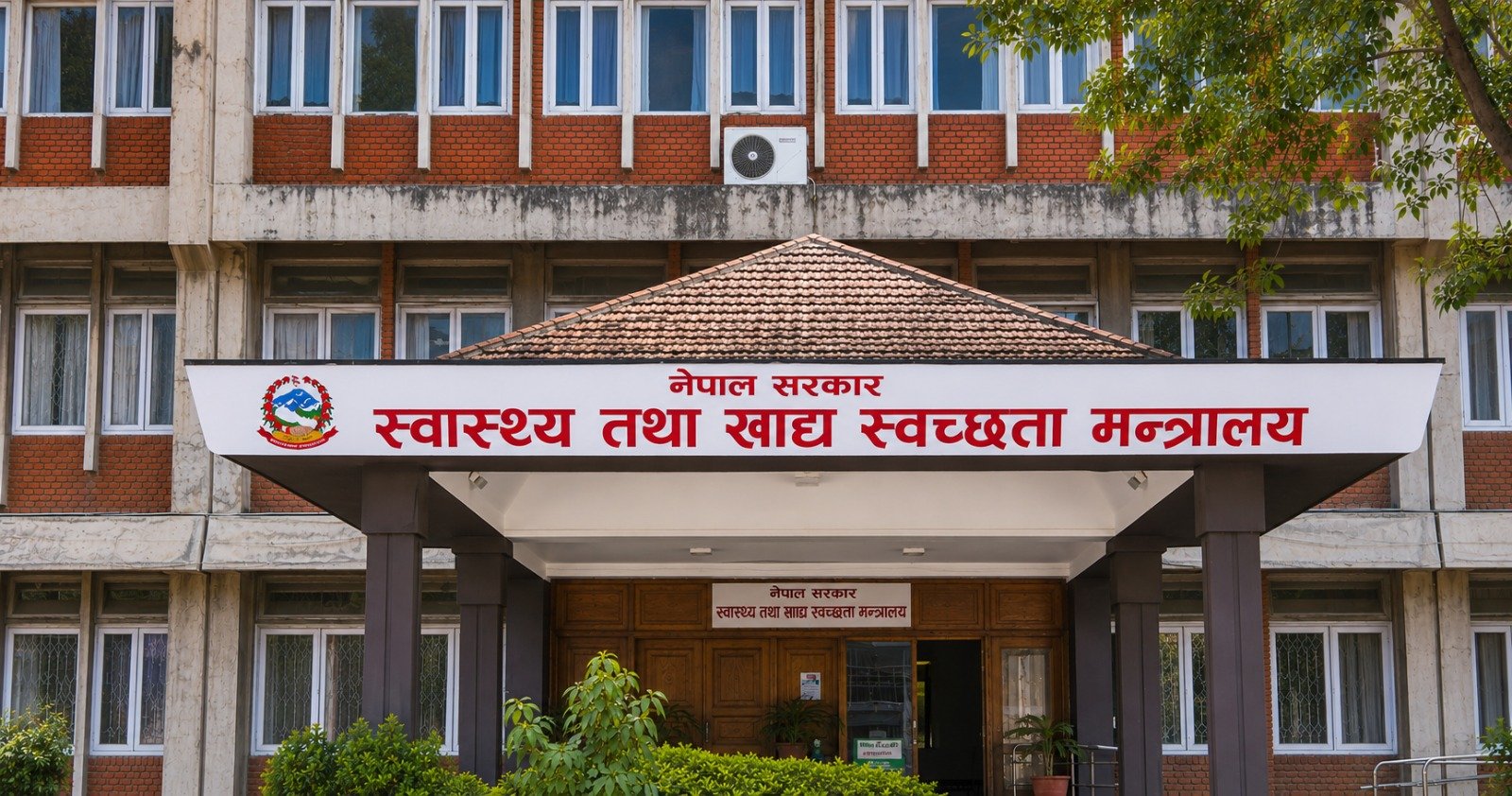
Kathmandu. Foreign drug company inspections have not been conducted for the past three years. The Department of Drug Management has registered about 350 foreign drug companies.< /p>
Inspection is considered mandatory to ascertain the quality of medicines imported from abroad. The department imports essential medicines such as HPV vaccine, anti-snake venom, yellow fever, and life-saving medicines for critical care by inspecting foreign drug industries every year.< /p>
Inspection of companies producing these and other essential medicines has been stalled for the past three years.< /p>
Although the department has stated that it will resume the practice of inspecting foreign drug industries for WHO GMP, it has not yet started.< /p>
Shivani Khadgi, acting director general of the Department of Drug Management, said that although drug inspection is an annual program, monitoring has not been possible. In a conversation with journalists, she said, 'It has been three years since inspections could not be conducted. Earlier, when the file was taken to the Ministry of Finance, it was not returned from there. These were files recommended by the GMP committee. Drug inspection is an annual program. We have sent the file for inspection to the ministry. It has not been returned.'< /p>
Similarly, Kiran Sundar Bajracharya, information officer of the department, said that foreign drug companies have not been audited for the past 3 years.< /p>
Although the Department of Drug Management sent a file for drug inspection to the Ministry of Health and Food Security in the third week of Jestha, no concrete decision has been made. There is a practice of importing new medicines after conducting a WHO GMP audit. There are occasional shortages of medicines such as yellow fever vaccine imported from abroad, life-saving medicines not produced in Nepal, medicines for rare diseases, and plasma-related medicines like human albumin.< /p>
Currently, there is a shortage of medicines such as the anti-rabies vaccine, and cisplatin and carboplatin used in cancer treatment. Most of these medicines are imported from India. However, the Department of Drug Management admits that foreign drug companies have not been inspected for a long time. Import permits are issued if the World Health Organization GMP inspection of the industries producing those medicines is conducted and found to be compliant. For some time now, medicines have been entering Nepal based on ad-hoc recommendations. Patients themselves are forced to bring the scarce medicines from India through ad-hoc recommendations.< /p>
Pawan Acharya, president of the Association of Drug Importers, said that on-site inspection of foreign drug companies is essential for ensuring the smooth supply of medicines. He said, 'This process, which has been stopped for the past four years, has led to a shortage of vaccines and life-saving medicines for citizens. We are hopeful that the ministry will make the necessary decision in this regard.'< /p>
It is a provision that to import medicines of modern and Ayurvedic systems, WHO GMP must be followed, and only after inspection by the department's technical team and finding it suitable, can such foreign industries and their products be registered.< /blockquote>Dr. Samir Kumar Adhikari, co-spokesperson of the Ministry of Health and Food Security, said that regular monitoring and inspection are necessary to ensure the quality of medicines. He said, 'Work is being done to strengthen the quality of the National Drug Laboratory regarding drug quality assurance. We are working on this matter in coordination with international experts.'< /p>
He clarified that the government has prioritized inspection and other matters, stating that monitoring by the department is being carried out regularly using the authority granted by law.< /p>
The official said that he would inquire whether the file regarding the inspection of foreign drug companies has been received by the Ministry of Health.< /p>
The last foreign industry/company inspection (audit) was conducted in the year 2079 BS. For foreign drug manufacturing companies interested in importing drugs into Nepal, the provision of import-related regulations implemented since 2071 BS has been followed, and inspections/audits have been conducted annually as per the WHO GMP guidelines.< /p>
It is a provision that to import medicines of modern and Ayurvedic systems, WHO GMP must be followed, and only after inspection by the department's technical team and finding it suitable, can such foreign industries and their products be registered.< /p>
The note order prepared by the department on Asar 6, 2079, regarding foreign industry/company inspection (audit) includes the provision that if one wishes to register products in the homeopathic system, they will be registered after inspection and finding them suitable if they have a certificate of good manufacturing practice from the respective country. The order states that medicines produced in countries other than those considered Stringent Regulatory Authorities and registered there will not be registered, and if an application for registration is submitted, a technical team will be dispatched to determine priorities and conduct inspections as per the annual approved inspection program.< /p>
This specific news has been automatically translated by AI. As a result, there may be some inaccuracies or language errors.