Lawmakers Emphasize Future Possibilities and Practical Needs in Lawmaking

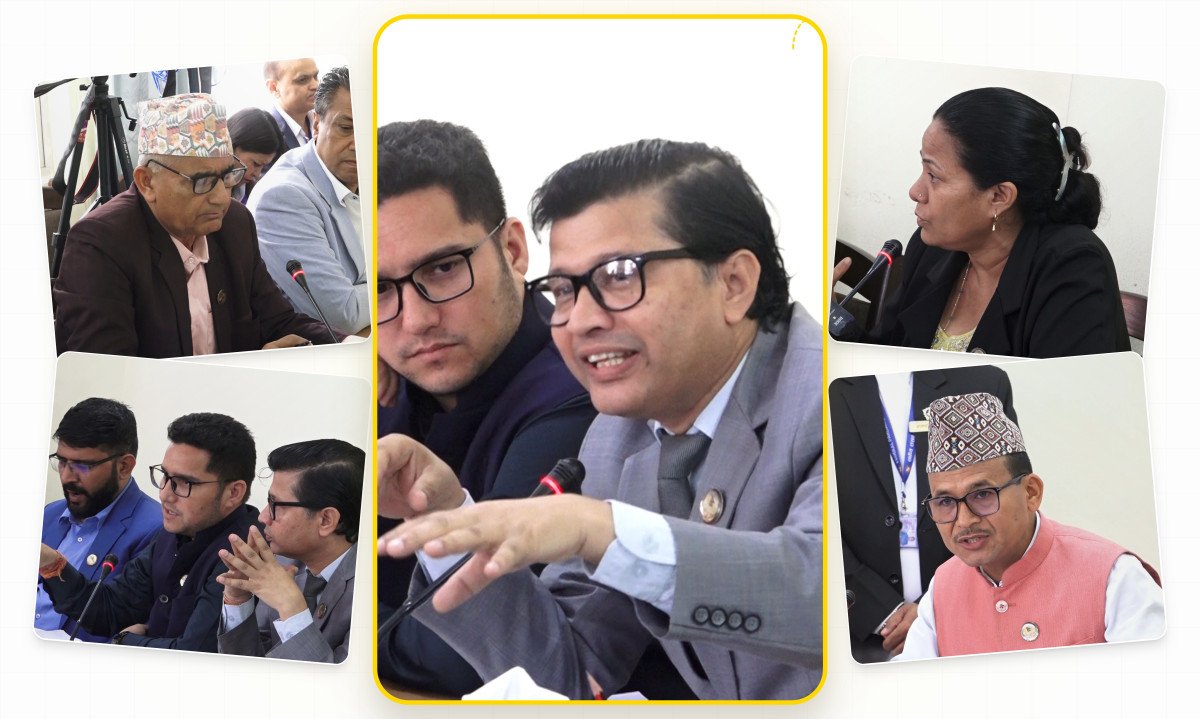
Kathmandu. Lawmakers have emphasized the need to consider future possibilities and practical needs, not just past deficiencies, when enacting laws.
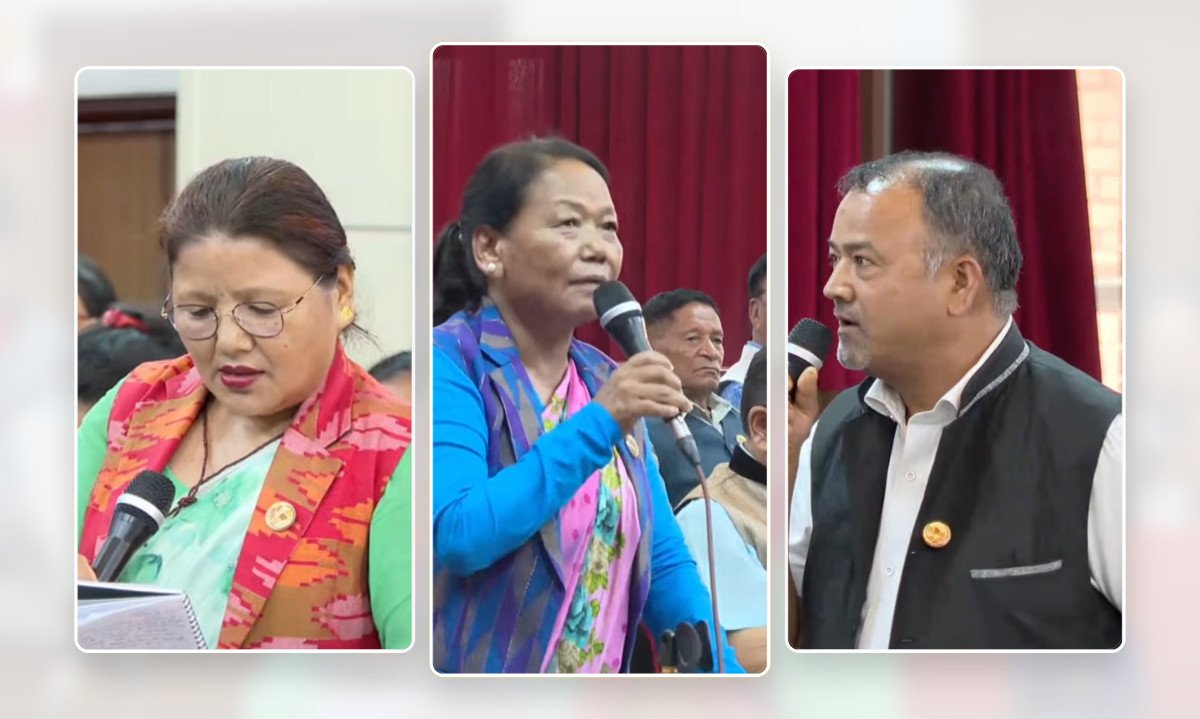
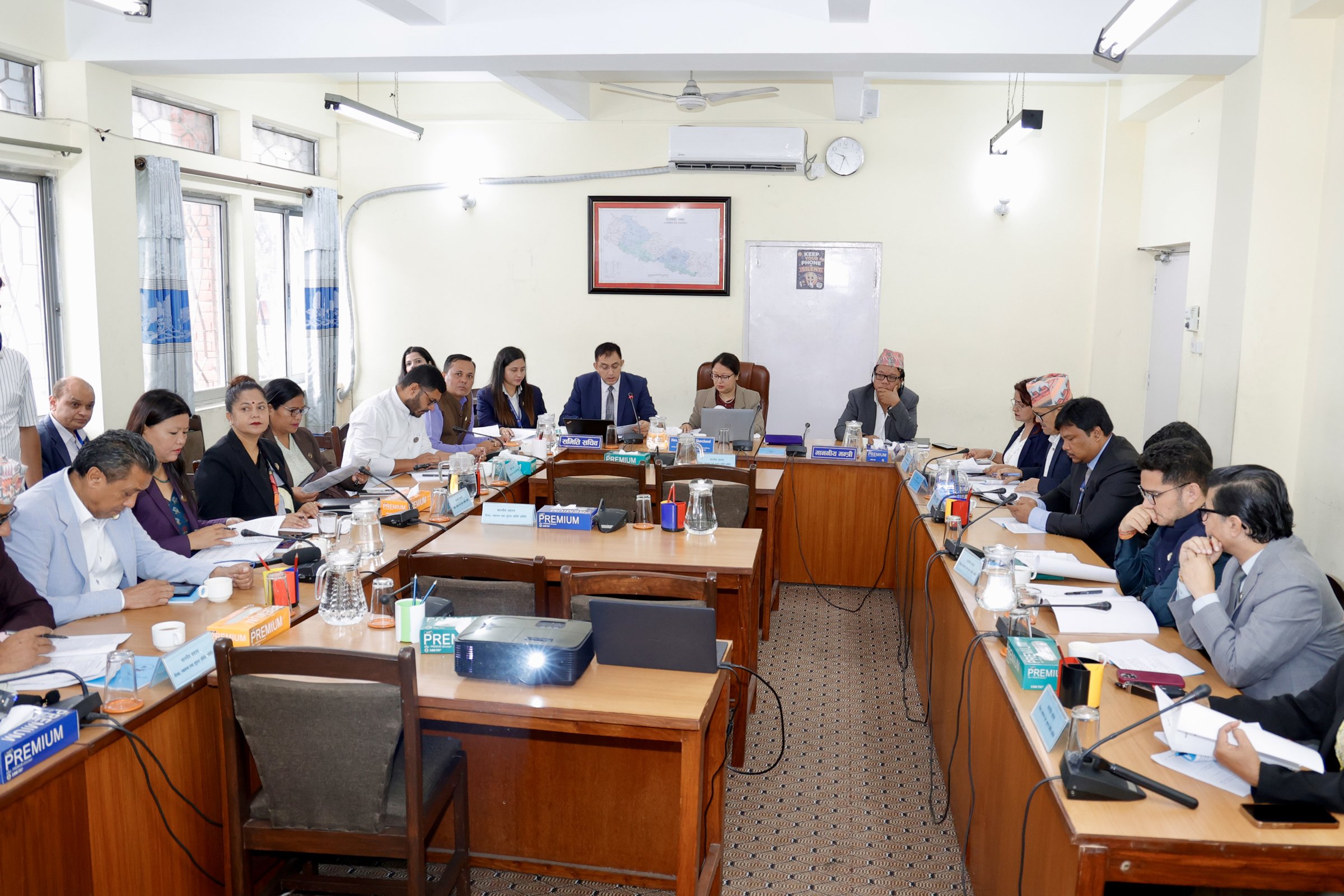
In the meeting of the Education, Health and Information Technology Committee held on Wednesday morning, lawmakers stated that laws should be made based on future possibilities and the criteria of expertise. Discussing the bill, they drew the government's attention to setting clear criteria for the definition of experts, minimum educational qualifications, and availability of manpower.
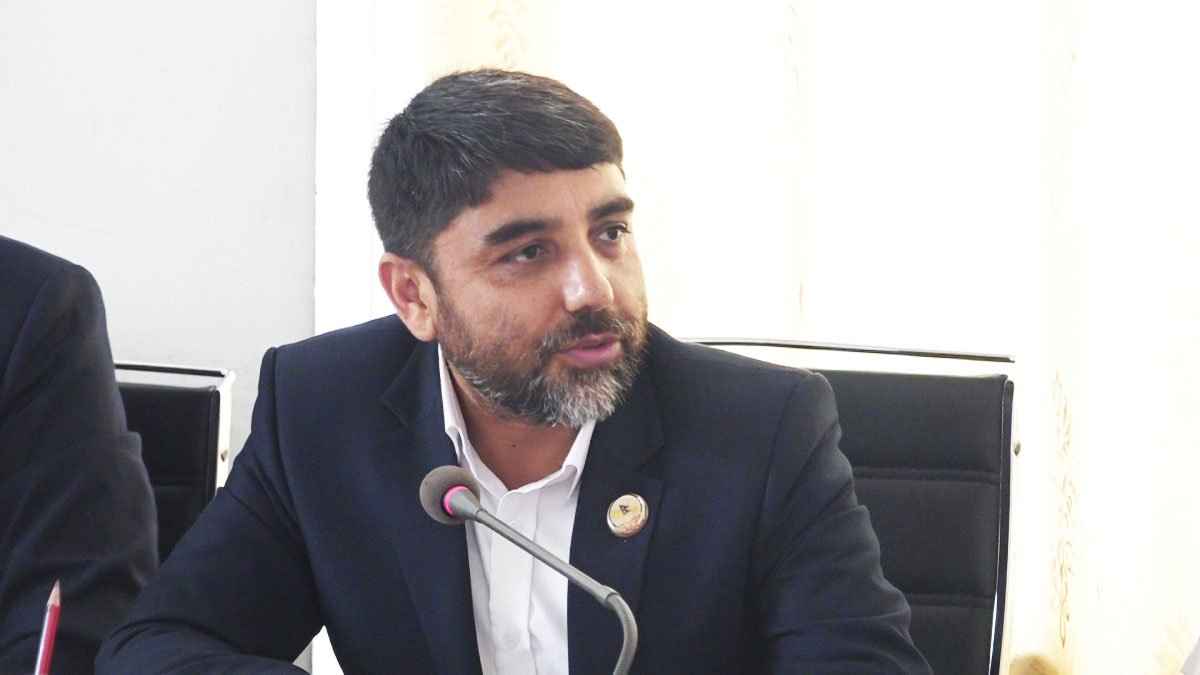
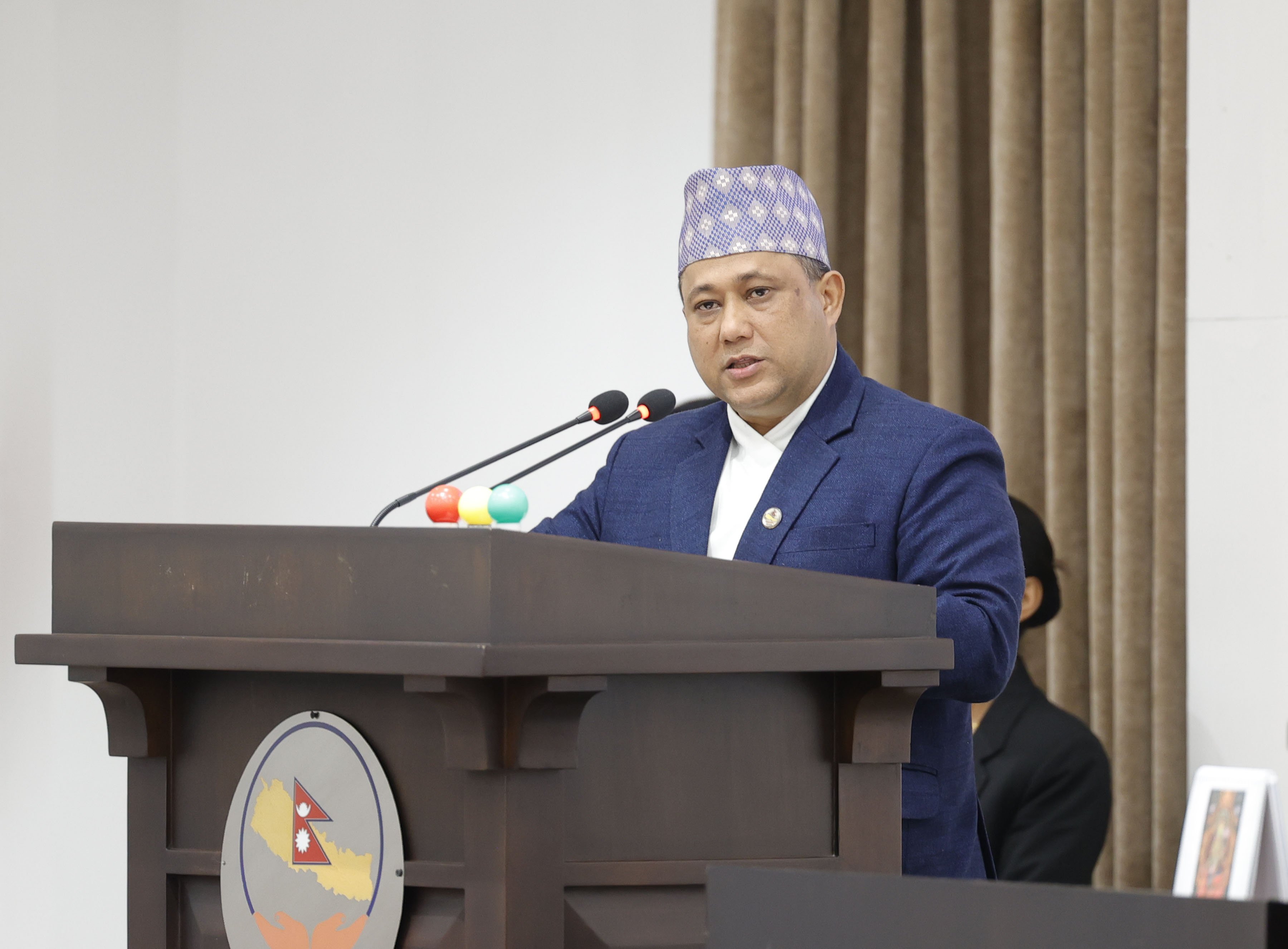
National Independent Party lawmaker Pukar Bam said that when making laws in Nepal, future possibilities should be considered instead of just relying on past deficiencies. Reviewing Nepal's legal history, he commented that laws made after the 1990/91 and 2006/07 movements have always focused only on the shortcomings and deficiencies of the previous system. He said, 'The basis of laws made after 1990/91 was the Panchayat-era deficiencies, and after 2006/07, the deficiencies of 1990/91 were looked at. We are always in a mode of making laws based on the foundation of deficiencies; now we need to move forward by looking at possibilities.'
Speaking about the criteria for expertise, lawmaker Bam said that work experience should also be prioritized along with higher educational qualifications. 'If only a master's degree is made mandatory, the manpower may be insufficient. Therefore, it would be appropriate to have a provision where one has a bachelor's degree with 5 years of experience or a master's degree with at least 1 year of work experience in the relevant field. For those with a PhD, this will automatically apply,' he said. He emphasized the need to regulate haphazardly opened training centers and to make equivalence mandatory to ensure the validity of degrees obtained from any location.
Lawmaker Dr. Lekhjang Thapa of the same party said that the definition of an expert should be clear and have high standards. He expressed the view that a master's level of education should be the minimum basis for identifying an expert. Arguing that individuals with only short-term training cannot be considered experts, he said, 'We need to clearly define what an expert is. By default, those who complete a master's degree are considered experts, not just those who undergo training.'
Dr. Thapa said that while manpower trained through work can be utilized according to the nature of the work, the definition of an expert should not be compromised. He stated that a provision could be made to employ individuals with a bachelor's degree and 5 years of experience during organizational and management surveys, but they should not be placed in the category of experts.
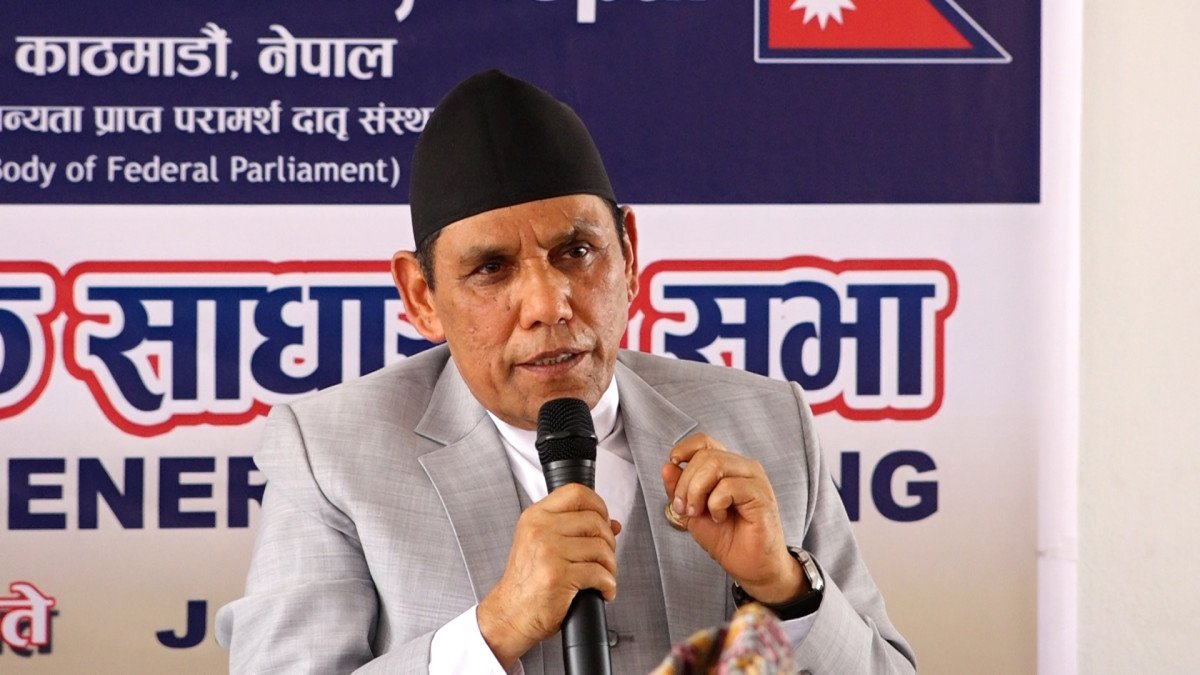
CPN-UML lawmaker Guruprasad Baral said that a balance should be struck between the quality of laws and the existing manpower situation in the country. While stating that the quality of laws should not be compromised, he said, 'If we cannot make laws of high quality, we will always be compelled to feel weak. Therefore, laws must be made with high standards.' However, he proposed that it would be appropriate to have a transitional period of about 5 years to facilitate the implementation of laws, considering the ground reality of the country and the shortage of manpower.
CPN (Maoist Center) lawmaker Ramesh Malla said that the technical terminology used in the bill and the criteria for the qualification of experts should be clarified. He said, 'Generally, an expert is understood to be someone who has completed a master's degree. However, if there are problems with the availability of experts in the relevant field and we consider the practical aspects, a bachelor's degree can also be considered as a basis.'
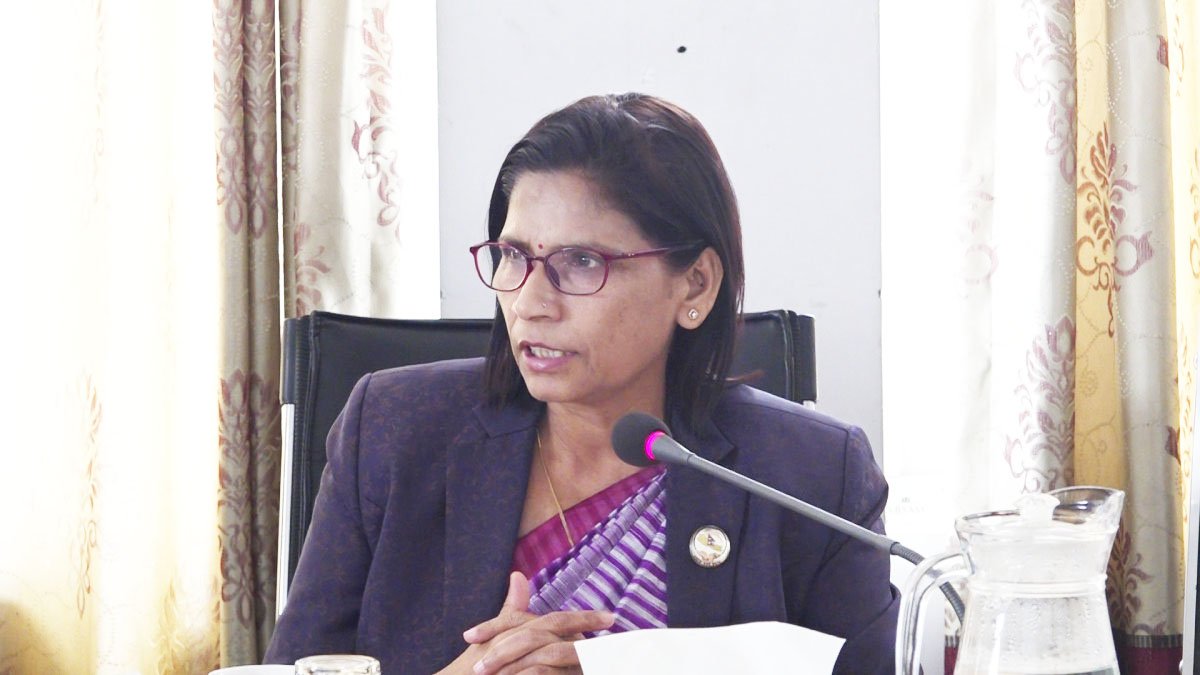
Similarly, Shram Sanskriti Party lawmaker Radhika Ramtel emphasized the need to strengthen the law to ensure access to justice for all citizens. She stated that victims are unable to get real justice due to ambiguity in the law and frequent changes. 'If the law itself is weak, the person who has been wronged cannot get justice. When inexperienced individuals are brought into the mechanism on a party basis, the work has not been effective. A practice should be established where only qualified individuals with expertise and experience in the relevant field are given responsibility,' she said.
During the discussion, lawmakers emphasized the need for technical clarity to make the bill more refined and timely.
This specific news has been automatically translated by AI. As a result, there may be some inaccuracies or language errors.