Nepal Chamber of Commerce President Calls for End to Arresting Businessmen on Suspicion

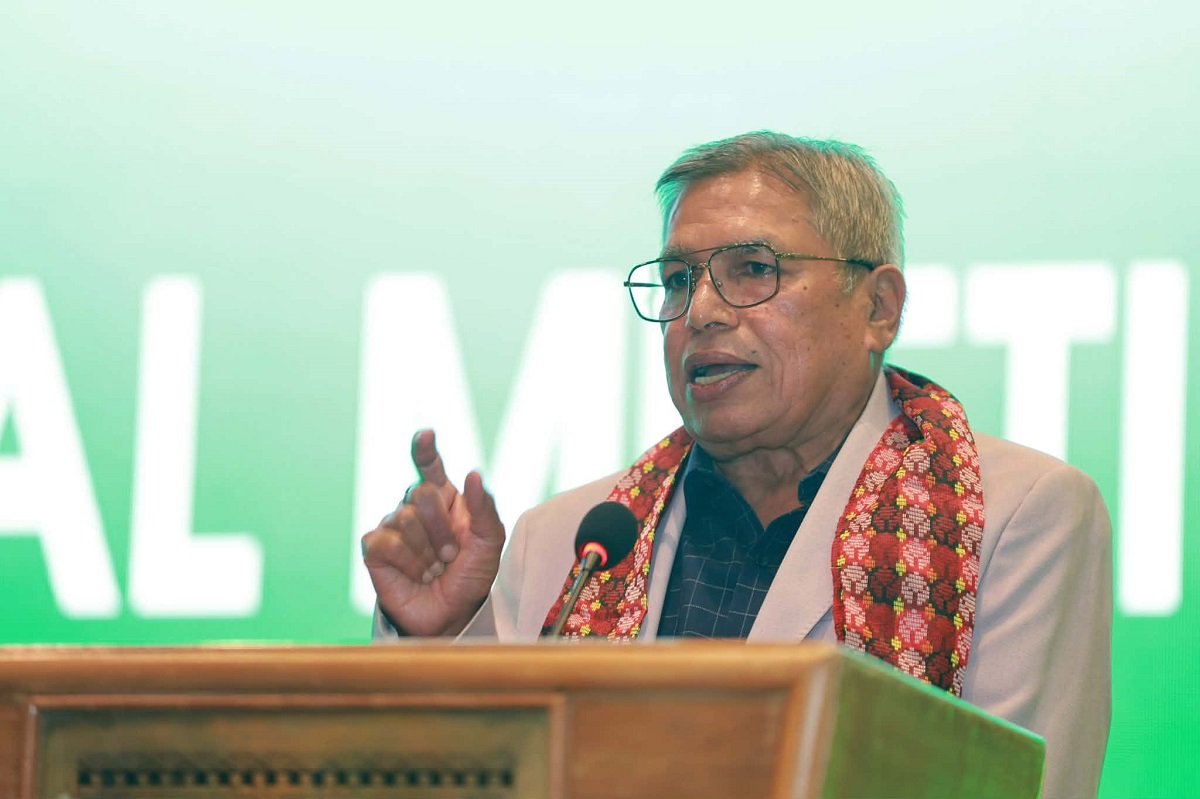
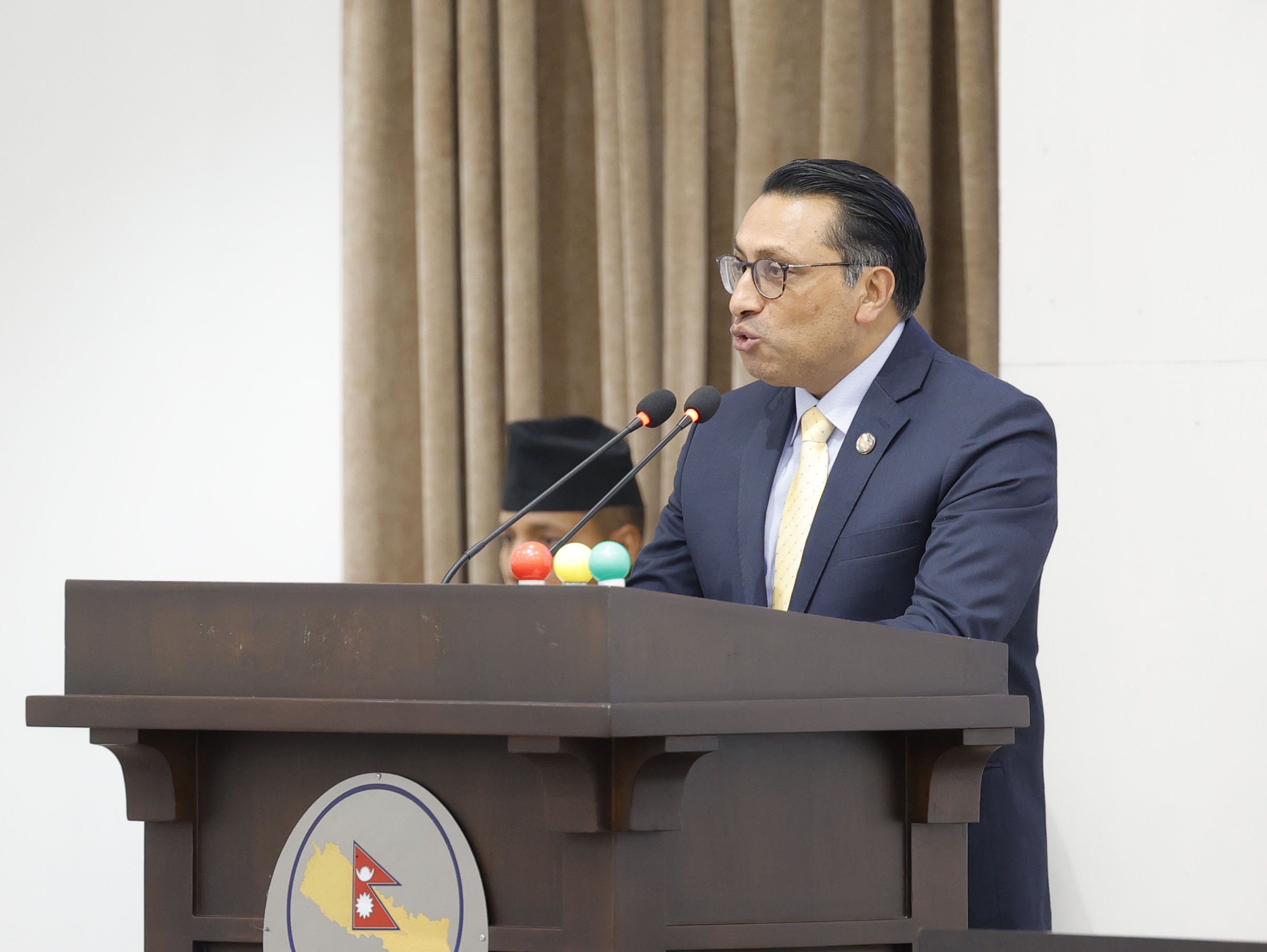
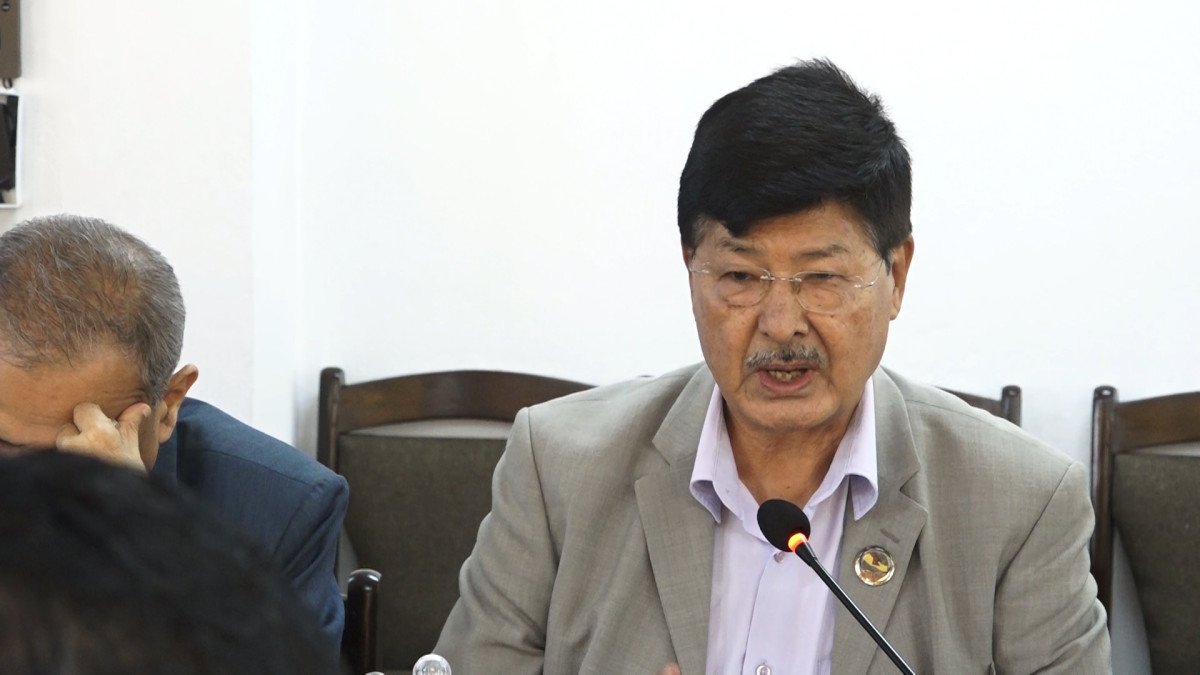
Kathmandu. Nepal Chamber of Commerce Chairman Kamlesh Kumar Agarwal has said that the culture of 'imprisoning' entrepreneurs and businessmen of the country on mere suspicion must be completely ended. Speaking at a special discussion program on the budget organized by the Chamber, he mentioned that arbitrary arrests in the preliminary stage of investigation without proving any economic crime would have a negative and tragic impact on the overall investment-friendly environment. To protect businessmen from unnecessary terror and maintain high business morale, he demanded that the state adopt a policy of 'listen first, take financial action after proving the crime' and that 'anticipatory bail' should be legally provided in the law. Chairman Agarwal urged the government to immediately implement the practical concept of 'one sector-one regulator' in the country, stating that businessmen are always in fear due to the intervention and jurisdictional disputes of many government agencies in the same sector. Reminding that the current weak system of asset laundering has created great fear in the private sector, he expressed the view that the record of assets legally acquired before 2064 BS is not systematically available with the state and this should be reconsidered. He drew the government's attention to the fact that the current income tax system is not fully transparent and effective and that 'sole proprietor firms' have not been separated from individual PAN numbers. Mentioning the fact that the private sector has suffered a huge economic loss of about 80 billion rupees due to the recent Gen Z movement in Nepal, he suggested that an investment promotion and protection policy like 'BIPA' demanded by foreign investors should also be brought for domestic investors, and insurance should be made mandatory in such a policy. He cautioned the government to objectively evaluate the impact on stakeholders before implementing any new policy or rule. Giving the example of businessmen who have already opened LCs, placed orders, and whose goods have arrived at customs facing extreme problems due to the sudden halt of registration of public transport vehicles by the Department of Transport Management without preparation, he said, 'When any policies are implemented without studying their impact on stakeholders, in some cases, they have a negative impact. If policies are implemented after evaluating their impact, it facilitates the economy. Recently, the sudden halt of public vehicle registration by our Department of Transport Management caused great distress to entrepreneurs and businessmen, because what to do with the LC opened, what to do with the order, what to do with the goods that arrived at customs. Now, perhaps only in the Bagmati zone has one been released. Therefore, if the impact on entrepreneurs and businessmen is analyzed before bringing any policy, it will greatly facilitate economic stability for the private sector. Regarding investment-friendly laws and regulations, analyzing the effectiveness after the laws and regulations were prepared and implemented in the past, we want to suggest that from now on, the initial draft of the creation and amendment of economic laws and regulations should be prepared by independent experts. If such a draft is prepared by the old bureaucracy, which is still gripped by an ungenerous attitude towards the private sector, the possibility of facilitating the business environment is very low.' He specially emphasized the need to increase the capital budget by cutting down administrative expenses for the country's development. He claimed that when the government spends only one billion rupees in capital expenditure, it creates additional economic activity worth four billion rupees in the market. He said that Nepal needs to move from the current revenue-oriented economy to an economic activity expansion-oriented economy. He demanded that the online database system implemented at customs be made effective and expressed dissatisfaction that employees have not yet abandoned the old practice of valuation based on reference prices. He suggested that the provision of making MRP mandatory at the customs point has created inconvenience in business, so with consumer protection in mind, MRP should be kept only at sales centers or shops. The Chamber has demanded that the controversial double IG system be transformed into a single IG system for the improvement of the stock market, that a 51-49 percent public structure be maintained, and that the locking period be completely abolished except in special circumstances. He pointed out that the free trade agreement between India and the European Union will add new challenges to Nepal's exports, and that exports of goods such as readymade garments, carpets, and handicrafts from Nepal may be affected. He urged that to achieve economic growth of more than 7 percent in the next five years, at least 20 percent credit flow will be necessary, and therefore the upcoming monetary policy should be brought in a way that credit flows easily. Currently, the country's credit expansion rate is a disappointing 5.6 percent. Chairman Agarwal also urged that the 'sunset law' should be prioritized and advanced for the timely and speedy completion of large infrastructure projects.
This specific news has been automatically translated by AI. As a result, there may be some inaccuracies or language errors.