Prime Minister Balen Shah's Statement on Electricity Capacity Sparks Debate


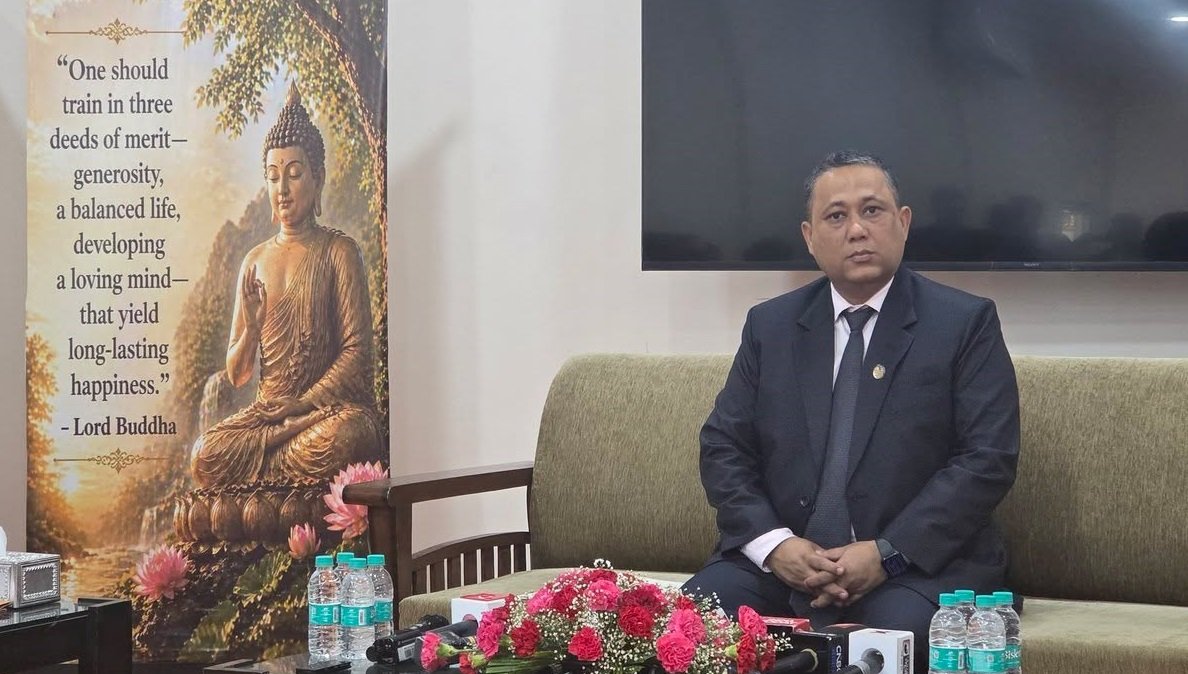
Kathmandu. Last Sunday, Prime Minister Balendra Shah (Balen) stood at the rostrum of the parliament for the first time and made a statement about the capacity of electricity transmission and distribution. He said that if all the people of the country started using induction stoves at the same time, all our substations and transformers would explode.
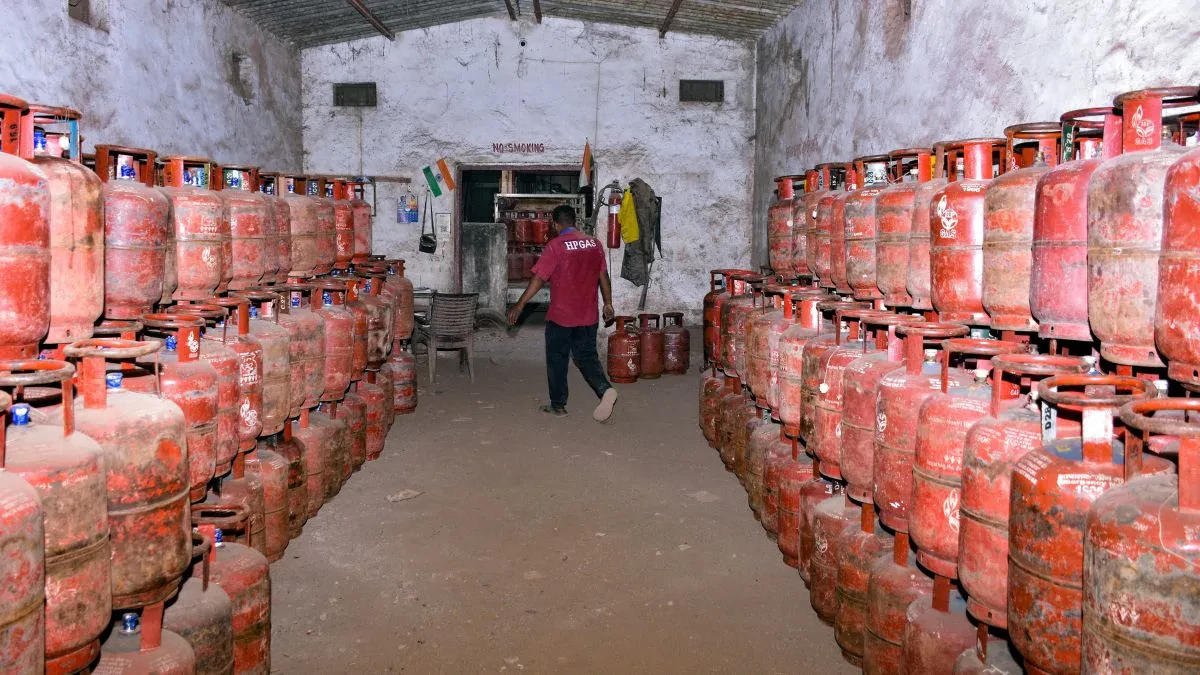
The Prime Minister's statement has created ripples in the energy sector. At a time when the government is urging people to switch from LP gas to electric stoves, such a statement from the country's chief executive has confused the general public.
But is our electricity system really that weak? Is there a situation where transformers will explode if we turn on induction stoves? We have discussed the reality and technical aspects with experts in the energy sector.
State of Electricity Transmission Infrastructure in Nepal
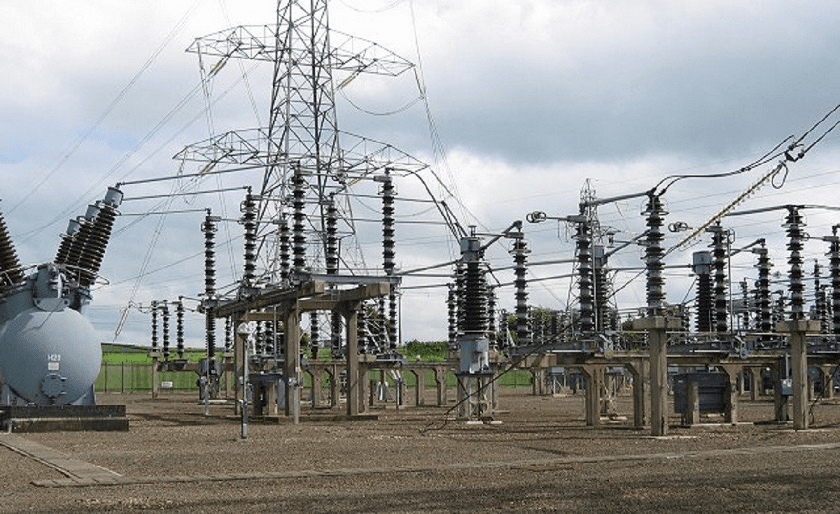
According to the latest data from the Nepal Electricity Authority, Nepal's electricity transmission and distribution system is becoming stronger compared to the past. Currently, the total capacity of Nepal's grid substations has reached 14 thousand Mega Volt Amperes (MVA). This means it has the capacity to carry 12,600 megawatts of electricity.
Out of this, the capacity of the 11 KVA transmission line for distribution at the substation level is approximately 5,572 MVA. This can distribute 5,000 megawatts of electricity. This is the system for distribution to domestic customers.
The capacity of transformers is slightly less than that. Currently, about 48,600 distribution transformers are installed across the country. The total capacity of all these transformers is 4,538 MVA. This can distribute about 4100 megawatts of electricity.
Now, in many places, insulated wires have been installed instead of bare wires. The number of feeders has increased compared to before. As a result, the problem of power outages during normal rain or windstorms has decreased.
Demand and Capacity Test if Everyone Uses Induction
Now the question arises—can a capacity of 4538 MVA handle the induction stoves used by all Nepalis? Let's look at it mathematically.
Nepal's current peak demand load reaches 2200 to 2600 megawatts. A large portion of this is consumed by industries, which is distribution outside of 11 KVA.
Currently, industries draw electricity directly from 33 KVA or 66 KVA transmission lines. Therefore, their load does not fall on the distribution transformers located in the local areas.
After deducting the load consumed by industries, the estimated peak load distributed from the 11 KVA capacity is around 1200-1400 megawatts, although exact data is not available. By this calculation, only about 1400-1500 MVA of our transformer capacity is utilized. This utilization is only about one-third of our distribution capacity.
This means that the current distribution system has the capacity to handle double the current electricity demand.
Now let's talk about the Kathmandu Valley. The capacity of its distribution system is 2100 to 2300 MVA, which is about 50 percent of the country's total capacity.
However, its utilization is currently less than one-third. Currently, the peak hour electricity demand in Kathmandu is 500 to 550 megawatts. Considering a power factor of 0.9, this utilizes a distribution capacity of 555 to 611 MVA. In other words, the Kathmandu electricity transmission system appears to be able to handle up to two and a half times the current demand.
According to the 2078 census, there are 542,000 families residing in Kathmandu. Let's calculate how much electricity demand and distribution system capacity would be utilized if we assume that no family uses an electric stove regularly and then assume that everyone starts using it at once.
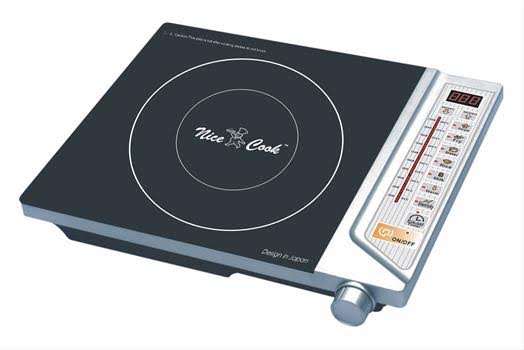
An induction stove is generally 2000 watts. If a family uses an induction stove for 4 hours a day at peak power in the kitchen, it consumes 8 units of electricity per day. But this is a situation of excessive consumption.
Generally, if an induction stove is 2000 watts, it runs at a capacity of 800 to 1200 watts in daily use. And cooking with induction is used for only about 1.5 to 2 hours daily. This means that cooking with induction will consume 1.5 to 2 units of electricity.
Even if all families in Kathmandu use induction at maximum capacity, an additional 1084 megawatts of electricity demand will be generated, which will utilize 1204 MVA of transmission line capacity, for which the existing excess capacity is sufficient.
However, if we assume average usage, only 400 MVA of additional capacity will be utilized, which is a very manageable situation for Kathmandu. Therefore, the statement that transformers and substations will explode if everyone uses induction is not factual and correct, according to a former executive director of the authority.
'We still have sufficient capacity, but there is also a need to expand capacity considering all types of future demand,' said the former executive director, 'The statement made by the Prime Minister is an exaggeration.'
According to him, although there are problems in adding new transformers due to delays in the procurement process, the existing transformers are capable of handling the load.
Arithmetic of VAT and Revenue Collection
The government has imposed a 5 percent VAT on electricity through the budget. Prime Minister Shah claims that such a tax is necessary for the construction of electricity infrastructure and that the revenue generated will be used for the improvement of the electricity system. However, this is also not realistic, according to the former executive director.
Based on current consumption, it is estimated that about 5 billion rupees will be collected annually from those who use more than 50 units of electricity. However, due to the provision of VAT refunds for industries, this may only contribute about 2 billion rupees to the government treasury.
Even if 5 billion rupees are received, this amount is not sufficient for the overall improvement of the electricity system across the country. He suggests that price adjustment is the most suitable alternative.
Government Missed Opportunity
The financial condition of the Electricity Authority is currently not satisfactory. Electricity tariff (increase) has not been adjusted for the past 5 years. This has resulted in a loss for the authority in the sale of domestic electricity.
It costs the authority about 9.22 rupees per unit to deliver electricity to the customer, including purchase, transmission, and administrative costs. The authority is selling electricity at a loss of about 7 to 8 paisa per unit.
Therefore, the Electricity Regulatory Commission had recommended increasing the tariff by 10 to 15 percent, considering the authority's infrastructure development and rising costs.
If the government had increased the tariff by only 10 percent instead of imposing VAT, the authority's account would have received an additional budget of 8 to 10 billion rupees annually. With that money, the authority could have prepared infrastructure plans.
However, the government has taken that amount into the government treasury by imposing a 5 percent VAT. Now, it is difficult for the government to increase the tariff this year as well. Doing so could create significant public outcry. Therefore, he states that the government has missed a great opportunity to make the authority self-reliant and invest in infrastructure.
This specific news has been automatically translated by AI. As a result, there may be some inaccuracies or language errors.
-1780761623189_v_HD5Pdcbrzy.webp)