Australia's Annual Inflation Rate Drops to 4.2% in April 2026

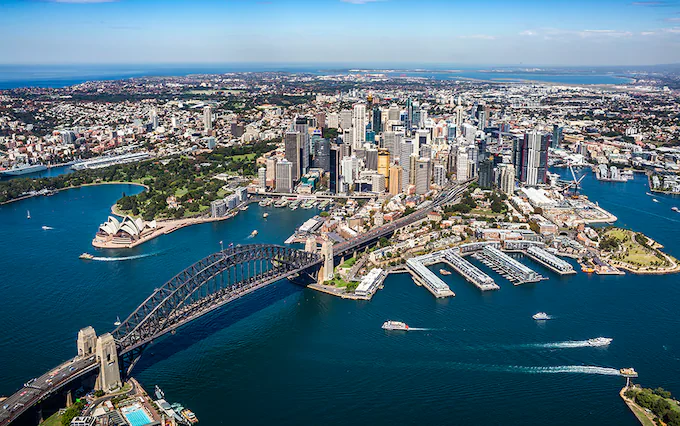
Kathmandu. Australia's annual inflation rate has fallen to 4.2 percent in April 2026. In March, this rate was 4.6 percent. According to government data, although inflation has decreased slightly, housing and transport sectors remain the main causes of price increases.
According to the data released by the Australian Bureau of Statistics on Wednesday, the cost of the housing sector, which accounts for the largest share of the Consumer Price Index, has increased by 6.3 percent in one year. Significant increases in housing costs are attributed to rising electricity prices, new home construction costs, and rent.
The price of the transport sector has also increased by 6.6 percent in one year. However, this increase was 8.9 percent in March. According to the Bureau of Statistics, the pace of price increases has decreased compared to the previous month in seven out of the eleven groups of the Consumer Price Index, with the transport sector showing the largest decline.
Core inflation, measured by removing volatile prices, has reached 3.4 percent in the twelve months to April. In March, it was 3.3 percent. This indicator is used by Australia's central bank as an important basis for setting interest rates.
Fluctuations have also been seen in fuel prices. From March to April, petrol prices have decreased by 7 percent. Previously, in March, petrol prices had increased by 32.8 percent. The government has stated that the temporary halving of fuel tax has provided some relief in prices. However, compared to the situation before the Middle East tension began, fuel prices are still 23.5 percent higher.
The head of price statistics at the Bureau of Statistics informed that diesel prices have increased significantly in April. The impact of rising oil prices is also evident in goods and services based on transportation and logistics. As a result, postal and parcel service charges have increased by 12.4 percent in one year, and the cost of new home construction materials has increased by 4.7 percent.
Similarly, electricity prices have increased by 22.5 percent over a one-year period. Sharp increases in electricity charges are attributed to the expiry of government subsidies and grants.
According to analysts, although a slight decrease in inflation is observed, consumers continue to face economic pressure as prices in the housing, energy, and transport sectors remain high. This is estimated to affect Australia's monetary policy and interest rate decisions in the coming days.
This specific news has been automatically translated by AI. As a result, there may be some inaccuracies or language errors.