Sri Lanka Adjusts Monetary Policy Amidst Energy Crisis Linked to Iran Conflict

Kathmandu. South Asian country Sri Lanka has made a big change in its monetary policy due to the war related to Iran and the resulting energy crisis.
The country's central bank has increased the policy interest rate by 100 basis points or 1 percent to 8.75 percent, which is the biggest increase in the last three years.
According to the Central Bank of Sri Lanka (CBSL), this decision is necessary to control rising inflation and the weakening currency exchange rate. The bank stated that the increase in interest rates is mainly due to the rise in oil prices and pressure on foreign currency supply in recent months.
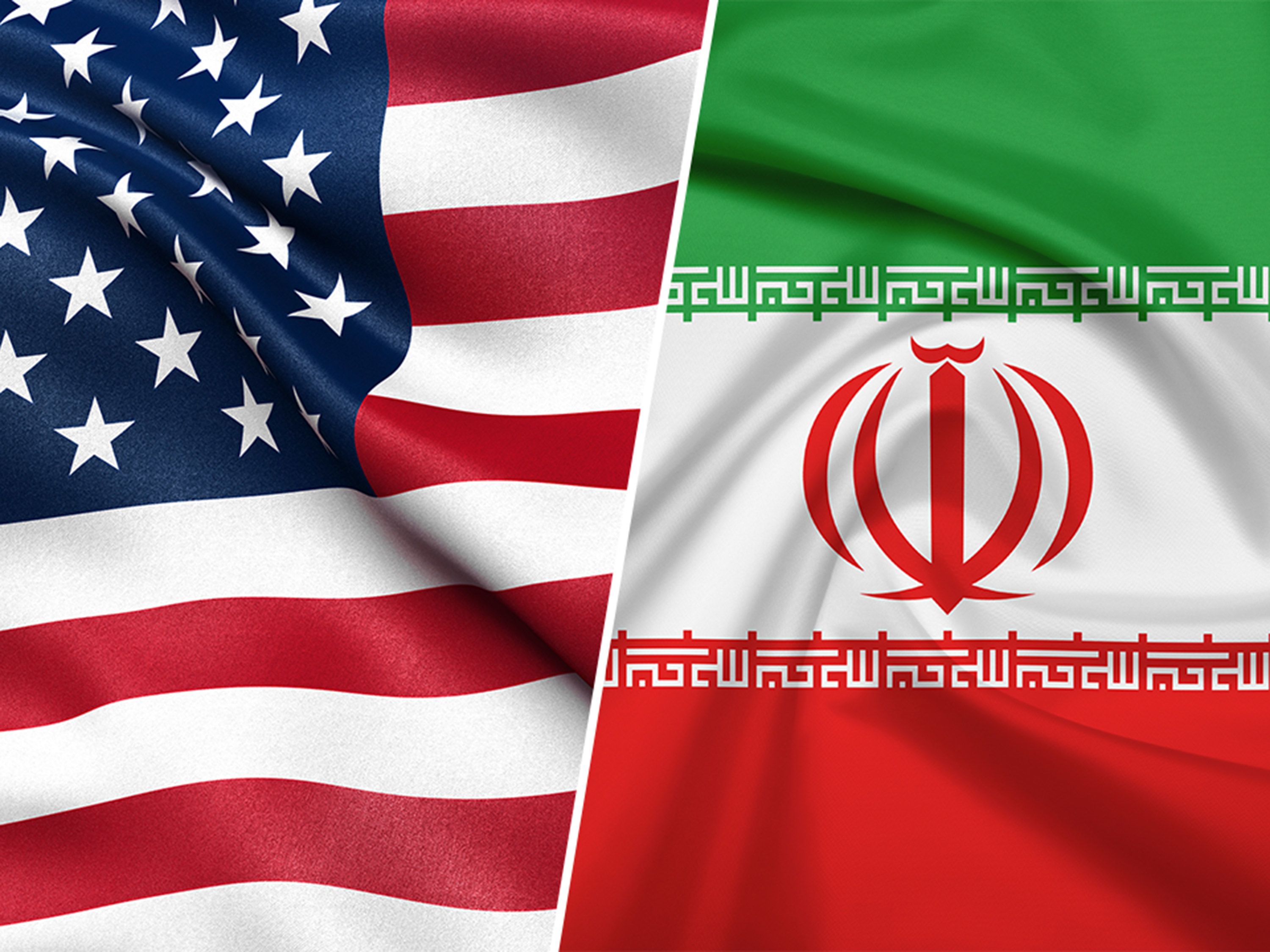
According to analysts, the energy supply in the global market has become unstable due to the ongoing US-Iran war in West Asia, which has directly affected oil-importing countries like Sri Lanka.
It is said that fuel prices have increased by about 40 percent, the supply has had to be controlled, and there has even been a situation where a public holiday has to be given every Wednesday.
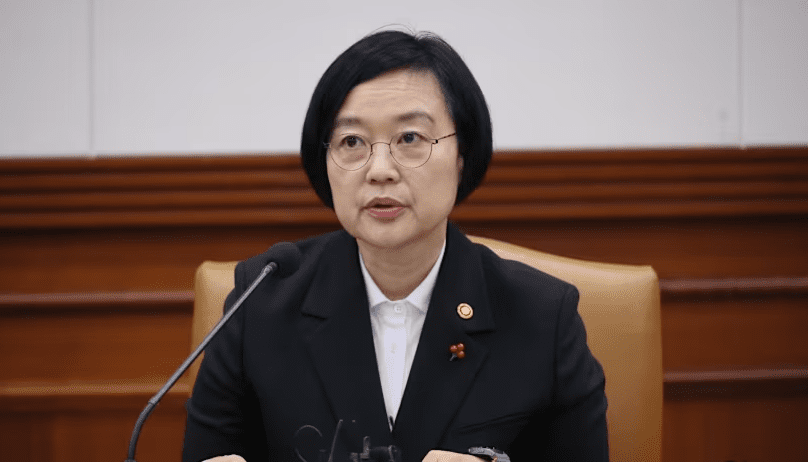
Central bank Governor Nandalal Veerasinghe said that the interest rate hike is a necessary step to control inflation and stabilize the exchange rate. He also mentioned that efforts are being made to keep both economic growth and inflation on a balanced path.
Earlier, market analysts had expected the interest rate to increase by only 25 basis points. However, due to the pressure of the situation, a much tighter policy has been adopted. Sri Lanka's currency has also come under great pressure due to the Iran war. Since March, the Sri Lankan Rupee has weakened by about 8.7 percent.
This specific news has been automatically translated by AI. As a result, there may be some inaccuracies or language errors.