India and US Sign Critical Minerals Deal

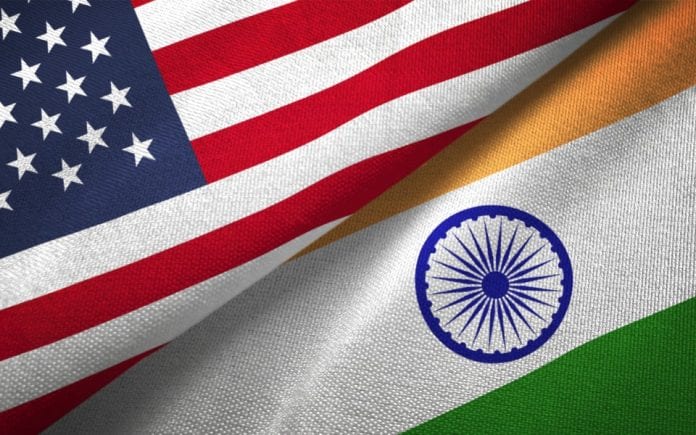
Kathmandu. India and the United States of America signed a bilateral agreement on Tuesday to secure the supply, mining, and processing of critical minerals and rare earth elements.
Indian Foreign Minister S. Jaishankar announced the historic agreement after bilateral discussions and the Quad Foreign Ministers' meeting, highlighting its strategic importance in the global landscape.
Emphasizing that this matter was also discussed in the Quad meeting, he mentioned the importance of securing these resources.
The agreement has been stated to be aimed at facilitating the supply of critical minerals and rare earth elements. According to him, the agreement will include mining, processing, promotion, and related investments. He said that this will strengthen a simple and diversified supply chain and assist the concerned countries in areas including financing.
Interpreting the agreement as proof of strengthening the partnership between Washington and New Delhi, Jaishankar said that although there are some challenges in the implementation of the agreement, there are many opportunities.
US Secretary of State Marco Rubio said that the agreement is a concrete example, highlighting India's importance to the United States. He stated that in the last few days, the strategic alliance between the United States and India and the importance of the agreement for national interest have been repeatedly highlighted.
He said that the agreement was reached with strategic interest to ensure reliable long-term access to critical minerals and supply chains for the innovation economy by India and the United States.
The agreement comes amidst global efforts to diversify supply chains for critical minerals and rare earth elements, which are important components for high-end electronics, energy technology, defense systems, and electric vehicles, and to reduce dependence among suppliers.
This specific news has been automatically translated by AI. As a result, there may be some inaccuracies or language errors.