New Procedure for Chemical Fertilizer Distribution Implemented

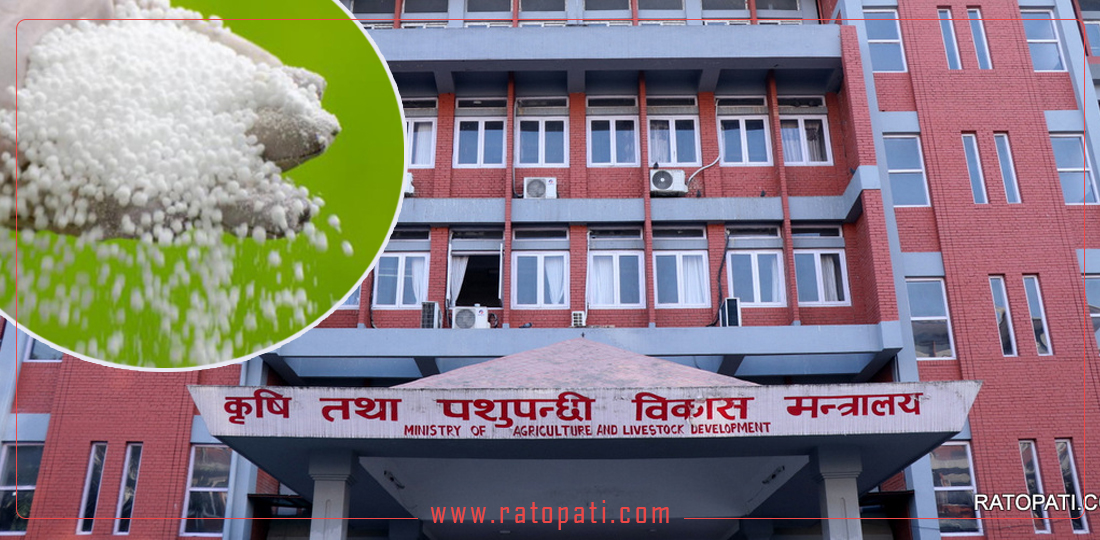
Kathmandu. A new procedure for the distribution of chemical fertilizers, 2082, has been implemented. The Ministry of Agriculture and Livestock Development has brought the 'Subsidized Fertilizer Distribution Management Procedure, 2082' into implementation to make the chemical fertilizer supply and distribution system effective.
This procedure, approved and implemented on Shrawan 7, 2082, aims to provide fertilizer to farmers at a subsidized rate based on cost sharing. This new legal framework has been prepared with the objective of implementing the 'Right to Food' as provisioned in the constitution and contributing to the economic prosperity of the country by increasing agricultural production.
- New Scientific Criteria for Fertilizer Quota Determination
The new procedure has set concrete and scientific criteria for determining the fertilizer quota for provinces and local levels. According to Schedule-1 of the procedure, when determining the total quota, 20 percent weightage will be given to arable land, 10 percent to cropping intensity, 20 percent to irrigated area, and 20 percent to the fertilizer usage status of the past 5 years. Additionally, 20 percent weightage will be given to the quantity demanded for the upcoming year and 10 percent to the area of special crops (tea, sugarcane, vegetables, etc.) to ensure equitable distribution.
- 10 Percent 'Buffer Stock'
The government has made a mandatory provision to keep 10 percent of the annual quantity as 'buffer stock' (inventory) to address potential fertilizer shortages during the main crop season. This stock will be mobilized primarily for major crops like paddy, maize, and wheat, as well as for seed production, as mentioned in the procedure. This inventory, considered important from a food security perspective, will be managed by the Agricultural Inputs Company and Salt Trading Corporation in coordination with the ministry, ensuring that farmers can receive fertilizer even in times of crisis.
- Strengthened Role of Local Levels, Farmer Identification Mandatory
Local levels have been entrusted with the most significant responsibility in the fertilizer distribution process. According to the procedure, local levels must identify genuine farmers based on their farmer registration number, national identity card, or other specific identification and distribute fertilizer accordingly. The local committee will monitor vendors within its area, allocate quotas, and ensure that fertilizer is sold at the prescribed price. If any vendor engages in discriminatory or illegal practices, the local level can even recommend suspension or cancellation of their license.
- Clear Process for Determining Fertilizer Price, Including Transportation and Operating Costs
The procedure has simplified the process of determining the consumer price of subsidized fertilizer. The ministry will set the price at the point of import, and the local selling price will be determined by adding transportation costs and vendor profit. The district rate determination committee's decision will be the basis for determining transportation costs. Vendors will be allowed to add a maximum of 1 rupee per kilogram for their operating and management expenses. This is expected to ensure an environment where farmers in remote areas also receive fertilizer at a fair price.
- Digital Monitoring of Fertilizer Transactions
To ensure transparency in fertilizer distribution, the ministry has made the use of an information system (software) mandatory. Fertilizer distribution companies will have to enter their daily transaction details and stock status into the software, and vendors will also have to maintain records of which farmer received how much fertilizer. This information must be sent to the ministry and provincial government on a monthly basis. The use of a digital system is expected to help prevent fertilizer black marketing and provide real-time information on the actual supply status across the country.
- Priority to Cooperatives, Strictness for Private Entities
The government has given first priority to cooperative societies for the sale of subsidized fertilizer. Private firms or companies will be appointed as vendors only if there are no agricultural cooperatives in a local level or if they are unwilling to conduct fertilizer business. Those wishing to become vendors must submit documents such as a permanent account number, audit reports for the past two years, and adequate storage capacity. Once appointed, vendors must renew their certificates every two years, and a recommendation from the local level is mandatory for renewal.
- Special Fertilizer Quota for Research and Seed Production
The procedure has made separate arrangements for government agricultural farms, Nepal Agricultural Research Council (NARC) centers, agricultural universities, and seed-producing entities. Such organizations can directly request the fertilizer required for research or seed production purposes from the distributor companies. For this, they will have to fill out the form as per Schedule-14 of the procedure. This arrangement will greatly help in increasing the production of improved seeds in the country and ensuring that agricultural research activities are not halted due to fertilizer shortages.
- Strict Action Against Vendors Violating Regulations
The procedure brings vendors who engage in irregularities in fertilizer distribution under strict penalties. If any vendor charges more than the prescribed price, hoards fertilizer, sells it outside their work area, or allows fertilizer to be used for purposes other than agricultural use, their license will be immediately revoked. Vendors and involved employees who submit false information or engage in other acts contrary to the procedure will be recommended for legal action as per prevailing laws.
- Committee to Coordinate Between All Three Tiers of Government
To make fertilizer distribution effective, a committee structure has been established from the center to the local level. At the center, there will be a 'Fertilizer Supply and Distribution Management Committee' coordinated by the Secretary of Agriculture, and a technical committee for technical matters. Similarly, in all seven provinces, there will be a 'Provincial Committee' led by the Provincial Secretary, and a 'District Committee' at the district level. These committees will project fertilizer demand, monitor quota allocation, and act as a bridge between all three tiers of government to resolve issues seen in distribution.
This specific news has been automatically translated by AI. As a result, there may be some inaccuracies or language errors.