India Loses Its Last Left-Wing Government in Kerala


India's Kerala state, which formed the world's first democratically elected communist government, has ousted the leftists from power. Now, there is no leftist government in any state of India.
In the summer of August 2007, the Indian government led by Prime Minister Manmohan Singh was sweating over the future of the historic nuclear deal negotiations with the United States. The objective of the proposed deal was to provide easy access to nuclear fuel and technology in exchange for increasing international oversight of India's nuclear facilities.
The problem was that the Indian communists, suspicious of the US, opposed this deal. And at that time, they were the main kingmakers in India's power equation.
The Singh government was surviving with their support, holding 62 seats in the lower house of the Indian Parliament. The Left Front had warned that if the Prime Minister proceeded with the deal, they would withdraw their support.
However, Singh ultimately took the risk and managed to gather support from other parties in Parliament. The deal was pushed forward despite the opposition of the communists. But that moment was the peak of the influence of leftist politics in India.
Nearly two decades later, on Monday, that influence appeared to have reached its lowest point.
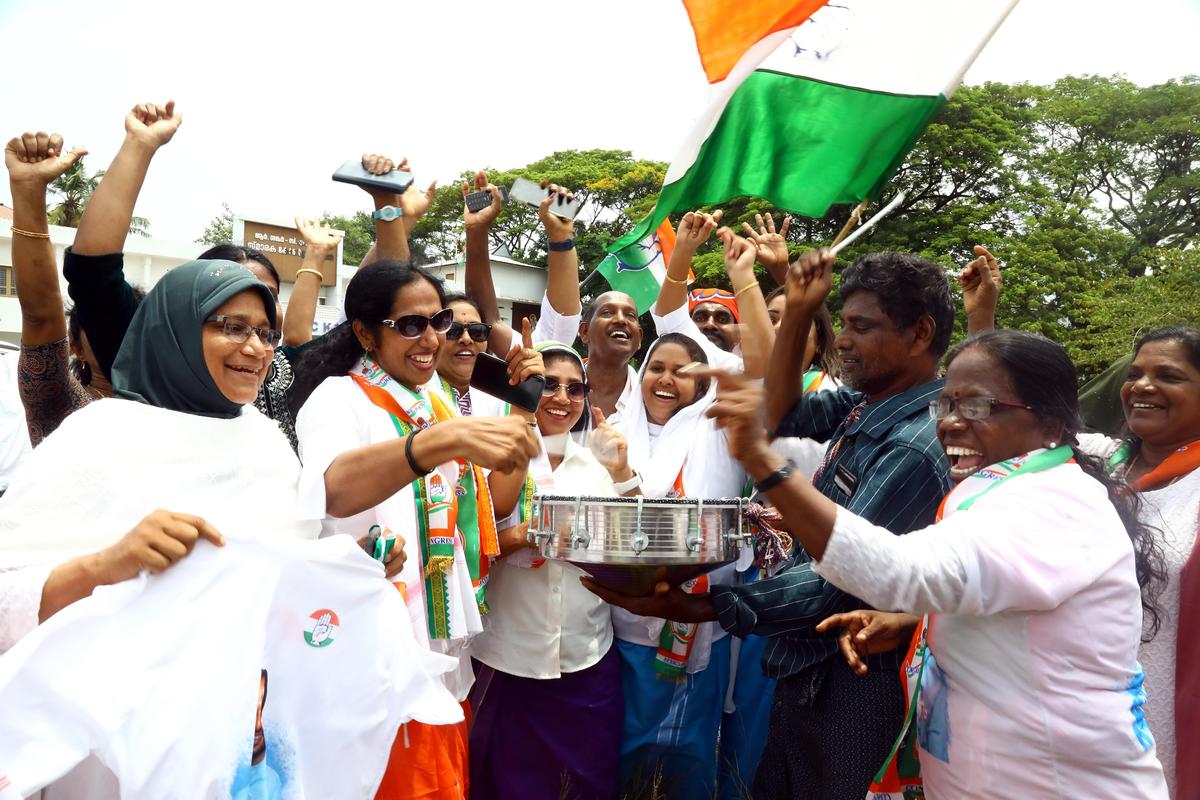
According to preliminary results from various state elections, the leftists have been swept out of power in Kerala. This southern state was the first in the world to have a democratically elected communist government, and it was the last state in India to have a leftist rule.
The United Democratic Front (UDF), led by the main national opposition party Congress, had won or was leading in 102 seats of the 140-seat assembly by late afternoon. In Kerala, the Left Democratic Front (LDF), a coalition of leftist parties, had secured only 35 seats or was leading.
This state has long been a stronghold of leftist politics and ideology. In the late 1950s, it gave the world its first elected communist government. From April 1957 to July 1959, the Communist Party of India (CPI) led Kerala. After they initiated land and educational reforms, the government of India, led by Congress leader and India's first Prime Minister Jawaharlal Nehru, dismissed that communist government.
Since 1977, at least one state in India has always been ruled by leftists. But that is no longer the case.
Rahul Verma, a political scientist and fellow at the Centre for Policy Research (CPR), a New Delhi-based think tank, told Al Jazeera, 'This year's election results indicate that for the first time, leftists may not come to power in any state.'
- Leftists Shrinking Across the Country
In West Bengal, the Left Front, an alliance of leftist political parties, was in power from 1977 to 2011. Mamata Banerjee's Trinamool Congress ended their long rule. In Tripura, the Left Front ruled from 1993 until the BJP won in 2018. In Kerala, the LDF and UDF have been alternating power for decades. Before the last election, the leftists had been in power since 2016.
The decline of leftists has also been evident in India's parliamentary elections. From winning 62 seats in the 2004 elections, they have now shrunk to just 8 seats.
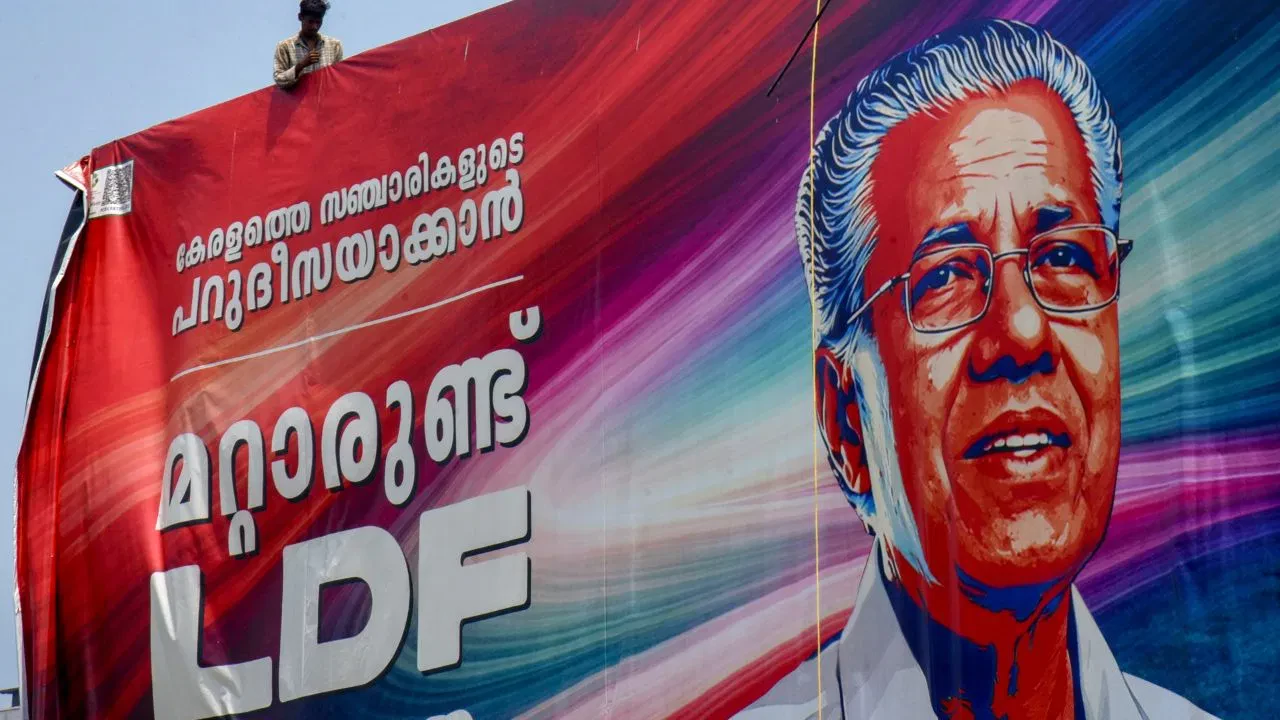
Rajarsi Dasgupta, an assistant professor at the Centre for Political Studies, Jawaharlal Nehru University, New Delhi, tells Al Jazeera that the hold of the leftists has always been limited, and they have only been able to establish themselves as influential and electorally strong in specific regions like Kerala, Tripura, and West Bengal.
He says, 'In the Hindi-speaking regions, mainly North India, their presence was largely confined to industrial areas, which declined with the fall of trade union politics.'
He adds, 'In my opinion, the main reason for their limited reach is their inability to address caste and gender issues, and especially their failure to understand the changing nature of post-liberalization capitalism.'
Harish Vasudevan, an independent social activist and lawyer specializing in public interest issues, tells Al Jazeera that India's political trend is increasingly favoring right-wing ideology.
He says, 'But more importantly, the leftists have partially lost their leftist ideology and compromised.'
- Role of Leftists in Kerala
In April 1957, under the leadership of the CPI, leftists came to power for the first time in Kerala. Renowned communist leader E.M.S. Namboodiripad became the state's first Chief Minister. His government introduced significant land and education reforms in the state.
However, these reforms faced strong opposition from the Congress, which was in opposition at the national level, and the Church, which feared a weakening of its influence. The Nehru government used a controversial constitutional provision to dismiss the Namboodiripad government.
In 1960, when new elections were held, the CPI was defeated by a Congress-led coalition. Subsequently, the CPI split into various parties, which have been working together since the 1970s.
The government of the outgoing Chief Minister of LDF, Pinarayi Vijayan, focused on improving Kerala's infrastructure and welfare schemes. During the COVID-19 pandemic, his government's strategy against the coronavirus was widely praised as a model for epidemic control, while other parts of the country struggled to contain the virus's spread.
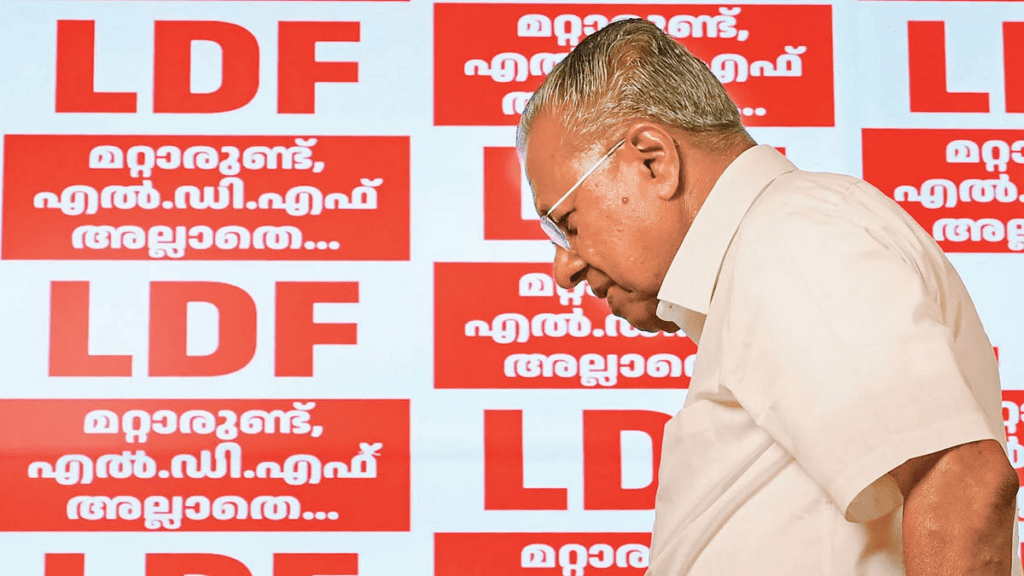
In an interview with Al Jazeera in May 2020, Vijayan said, 'As far as the poor and vulnerable are concerned, Kerala has given them special attention during this difficult time. We have tried to ensure complete social security. Accordingly, 5.5 million elderly people, differently-abled individuals, and single women in Kerala have been provided ₹8,500 each.'
A year later, when elections were held in the state, he made history by returning to power, breaking the 40-year-old tradition of alternating power with the Congress-led UDF.
Last November, after completing a four-year extreme poverty eradication project, Vijayan declared Kerala free from extreme poverty. It was the first state in India to achieve such a feat.
However, despite such successes, experts say the LDF's credibility in Kerala has been significantly shaken in recent years.
Vasudevan told Al Jazeera, 'In Kerala, the LDF always played a rebellious role against the abuse of power. But in the last five years, the party started speaking the language of power itself.'
He points out that in this year's state elections, traditional leftist voters voted against the LDF as a 'step to reform their own leadership'.
- Can Leftist Politics Be Revived in India?
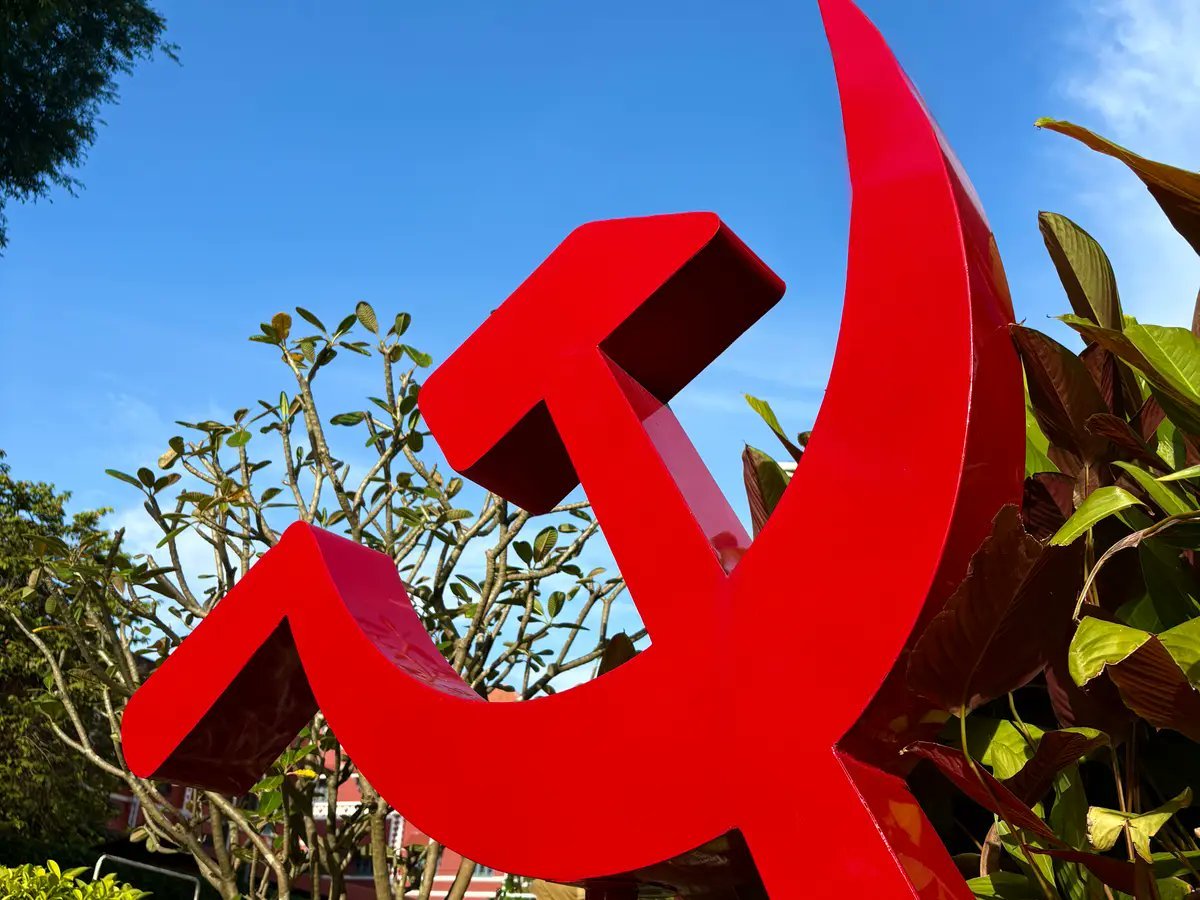
As the state election results signal that for the first time in half a century, there will be no leftist government in power in India, political analysts have pointed out the need for leftist parties to restructure themselves.
Vasudevan says that even without being in power, their role as an opposition force is growing, and this can bring about change.
He says, 'The gap between the rich and the poor is widening, and the country's economic policies are becoming corporate-oriented. Leftists must play a significant role in balancing this by providing fair benefits to the country's unorganized labor class.'
Assistant Professor Dasgupta says that established Indian leftist parties lack the necessary imagination and young leaders to overcome the challenges their movements are facing.
He says, 'Having said that, there are signs of a resurgence of social democratic politics worldwide, and there is no reason to believe that this will not affect India. Moreover, the problems of wealth inequality and jobless economic growth are worsening day by day, which no mainstream party other than the left is willing to address.'
He adds, 'The continuation of these problems makes the comeback of the leftists largely possible. But for this, they must effectively transform themselves from 20th-century communist models into 21st-century Indian social democratic forces.'
This specific news has been automatically translated by AI. As a result, there may be some inaccuracies or language errors.