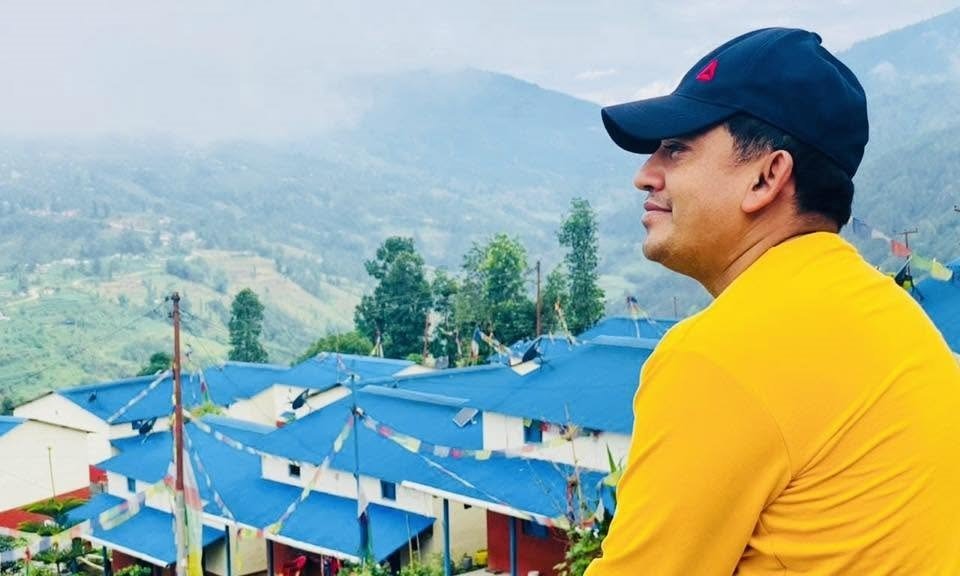
World Laughter Day: Laughter is the Greatest Medicine


Many people think. Making people laugh is just telling jokes. But humor is not that easy. In my understanding, humor is something that never comes in sadness. It only comes in happiness and joy. Until the blood cells of the human body and the nerves of the brain are in a very good mood, laughter does not come out. To laugh, the mind and brain must be completely clean.
Even a little sadness prevents laughter. If people can laugh heartily four-five times a day, their body tissues feel like they are being recycled. That's why I say, 'Laughter is a powerful therapy, an infallible medicine.'
On social media, sometimes there are things to laugh at, and sometimes there are things that are impossible not to laugh at. Action-oriented laughs are fun to watch repeatedly, while dialogue-based laughs are only okay the second time. Nowadays, people are forgetting to laugh. There is stress everywhere. Human aspirations, desires, and unhealthy competition have increased so much that they have lost track of their happiness. The race to earn more than others, to be greater than others, has pushed people to a place where they inflict pain on themselves. If people resolve to live a simple life, they will find many things to laugh about.
But in this race of science and technology, human life has become extremely complicated. It is a great fortune to be able to laugh heartily just four-five times a day. Even when alone, one can laugh thinking about certain things, which makes the body's tissues feel revitalized (recycled).
It is said that it is harder to make someone laugh than to make them cry. In my experience, both tasks are equally challenging. It takes equal effort to bring a genuine laugh out of someone, and it takes equal depth to bring tears to their eyes. But one thing is true, if a person is already sad, adding a little more sadness will easily bring tears. But making that stressed person laugh is truly difficult.
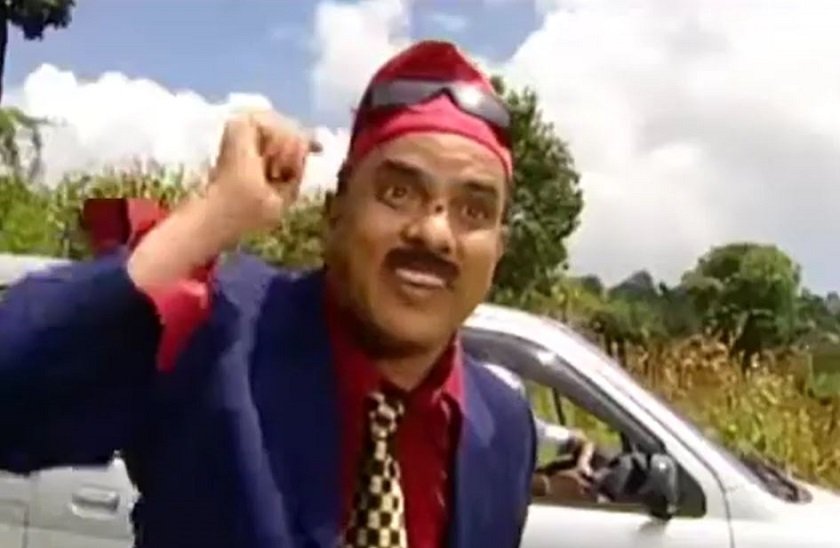
My journey into humor began in childhood. When I was in school, after the teachers finished teaching and left the classroom, I would go ahead and caricature them. My friends would laugh a lot. They would urge me, 'Do Sir X's caricature, speak like Sir Y.' Their laughter and encouragement further motivated me. At that time, I didn't know that this would become my future profession.
The story of my first stage performance in humor is also quite interesting. I still remember, when I was in 7th or 8th grade, I was given the role of a dog barking from behind the curtain in a play. Back then, sound effects weren't available on the internet like they are now. My friends had planned to bring a real dog and beat it in front of the microphone to make it bark. But when I said I could bark, they gave me a chance. I barked so well that after the play, I was given a certificate for barking like a dog. That was the first recognition of my artistry.
The fear of going on stage in the early days was something else. In the Gaijatra festival of 2034 BS, in Pragya Bhawan, the King and members of the royal family were watching my performance. I became so nervous that I forgot the dialogues I had memorized. But once on stage, I told myself that kings are also human, I am also human, I shouldn't be afraid. Then the forgotten dialogues came back to my memory. Even after so many years, I still feel a kind of fear when I go on stage with a new program.
My family environment was a bit different. My parents passed away when I was very young. I was interested in music and art from a young age. Once, my brother-in-law brought me a 'mouth organ' from India. But my mother hid it, saying that a Brahmin's son should not play such an instrument. Later, when I became successful and known, my sisters also started taking pride in my talent. I started participating in various shows at Pragya Bhawan. Those shows not only gave me recognition but also started giving me some money. Only then did my belief grow that this profession is respectable and reliable.
Innate Sense of Humor
I think the qualities of a comedian are innate to some extent. But honing and enhancing those qualities is done only through practice. The more immersed one becomes, the more one worries, the more this art is polished. We used to work for months to prepare a single skit. Previously, one content was enough for a year because there was no digital media. I have great respect for the young generation today. They have to release new content every week, which is a very challenging task.
When we started working, it was the Panchayat system. Political parties were banned. We used to voice the people's concerns through satire. The government initially didn't pay much attention, thinking of us as jesters, but as the cassettes gained popularity, censorship became stricter. The zonal administrators would read the scripts. But we were also clever – we would give one script in writing and say something else on stage. The beauty of satire is in saying things indirectly. If said directly, it becomes an insult, but if said by playing with words, it becomes satire.
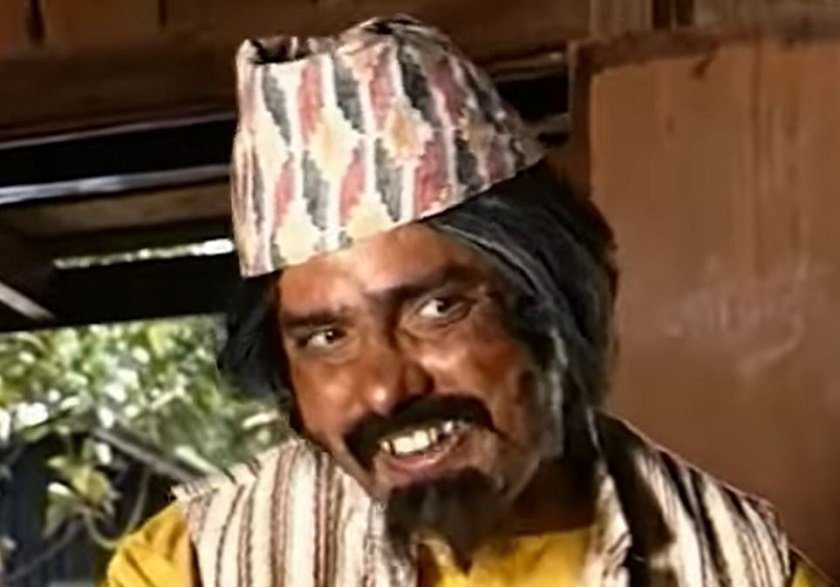
I am happy that the field of humor has developed a lot today. The television industry is sustained by humor and satire. There are excellent talented artists in the new generation. However, sometimes the use of double-meaning words makes it feel a bit cheap. While this can be excused as the audience's desire and the demand of the times, humor within a certain boundary always has a longer lifespan. For me, the biggest achievement in pursuing humor and satire is the love and respect of the people and the change in the perception of this profession. The society that used to call us jokers now gives us the status of respected artists. This profession has sustained my life, bringing both fame and fortune. I want to tell the new generation – this is not an easy profession, it is difficult to survive in it. Therefore, come into this field only after serious study and understanding your responsibility towards society.
I am currently working on a book of satirical essays. My job is to spread happiness, and this journey will continue. Finally, I want to thank all the viewers who love me so much. You are our gods. It is your appreciation and love that have brought me this far.
Today is World Laughter Day. Happy World Laughter Day to all! Keep laughing, because laughter is the greatest medicine.
(Based on an interview with legendary comedian Haribansha Acharya by Kuber Giri for Ratopati)
This specific news has been automatically translated by AI. As a result, there may be some inaccuracies or language errors.

_I0a7yjtDaq.jpg)