Pokhara's Phirke River Faces Encroachment Crisis as Authorities Prepare for Demolition


Pokhara. In Ashad 2075, the then Mayor of Pokhara Metropolitan City, Man Bahadur GC, initiated the construction of a foot track along the Phirke River by personally operating a bulldozer. During his bulldozer operation, some journalists were injured due to the uncontrolled machine.
The campaign, which began without proper study, was halted midway. Due to the government's unclear policy and lack of oversight, hundreds of houses and huts have been built by encroaching on the Phirke River. Despite numerous studies recommending the immediate removal of structures, the metropolis has been unable to implement them. The metropolis has done nothing beyond issuing notices repeatedly and remaining silent after the notice period expires.
In 2080, the Metropolitan City conducted its final study. The metropolis has demarcated the structures falling within the river's flow area (riverbed). At that time too, a notice was issued to remove structures from the riverbed. Later, the process was halted when a lawsuit was filed in court. The court ruled in favor of removing structures from the riverbed. Even a year after the verdict, the metropolis could not start the work.
Elderly residents of Pokhara recall their daily lives being sustained by the water of the Phirke River until two decades ago. The river's pure water was not only used for drinking but also for bathing, swimming, and watering cattle.
Locals share experiences of using this river's water to churn yogurt and extract butter. However, the 8-kilometer-long Phirke River, a victim of rapid urbanization and human encroachment, has now become a dumping drain for sewage. Phirke has not only become polluted itself but has also severely impacted Phewa Lake. Studies show that from 2060 BS alone, the garbage and soil carried by Phirke have filled 11 ropanis and 4 annas of aquatic area in the GaiGhat area of Pokhara-17, turning it into a plain.
Despite issuing notices multiple times and then backing down, the metropolis has once again issued a 35-day notice to clear the Phirke. On April 4, a notice was issued to remove all illegal structures built on public, barren, and acquired land. Mayor Dhanraj Acharya states that this notice is also for the Phirke. 'This notice is not just for a specific geography or place, but for all illegal structures built within Pokhara,' he said, 'After 35 days, the metropolis will come out with bulldozers. The cost will also have to be borne by the respective homeowners.'
_Vf1hNz8XV7.jpg)
The High Court Pokhara has already ruled that there are no legal obstacles to demolishing structures built by encroaching on the riverbed.
How many structures are in the riverbed?
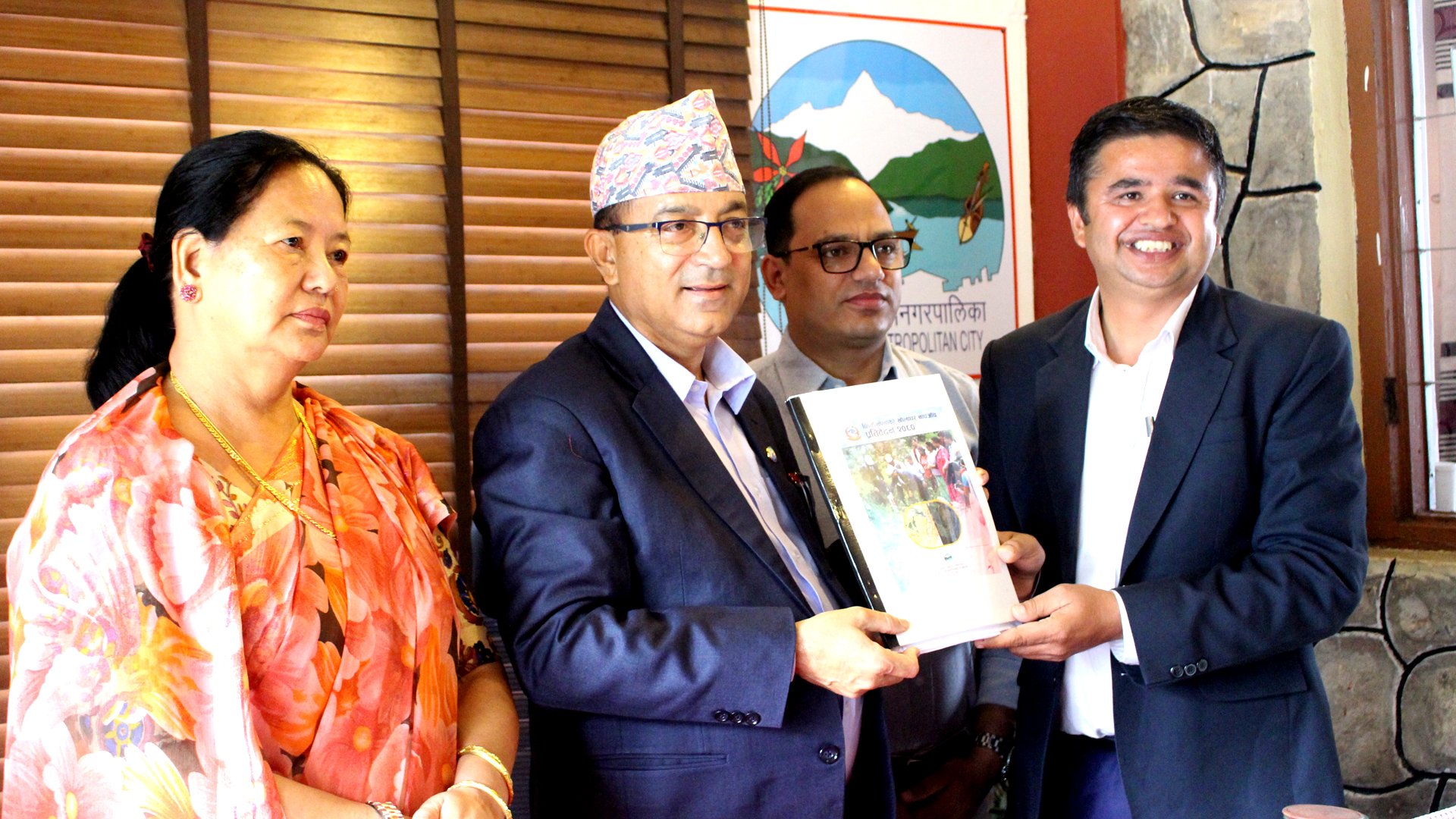
To ascertain the actual condition of the Phirke River, the metropolis formed a technical committee headed by surveyor Basudev Poudel. The committee, working in the field from Shrawan 3 to Bhadra 2, 2080, conducted measurements based on the 2032 BS survey map. The Phirke River, starting from AndheriKuna in Ward No. 18 of Pokhara Metropolitan City, flows through Wards No. 2, 4, 5, 7, 8, 6, and finally merges into Phewa Lake in GaiGhat of Ward No. 17. During the measurement, the report indicated that the Phirke River is at least 3.30 meters wide and up to 40 meters wide, and 4 meters to 9 meters deep. To demarcate the actual boundary of the river, the technical team also installed a total of 588 boundary pillars, 303 on the west bank and 285 on the east bank. Twenty-five bridges and culverts have been constructed over the river.
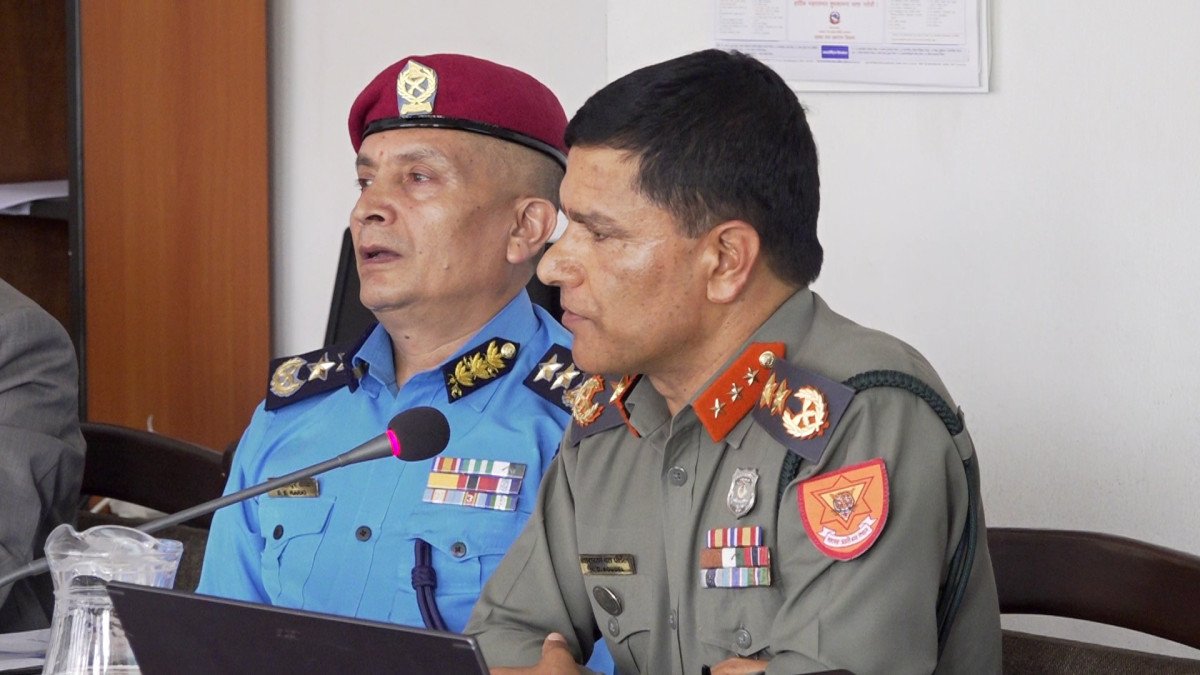
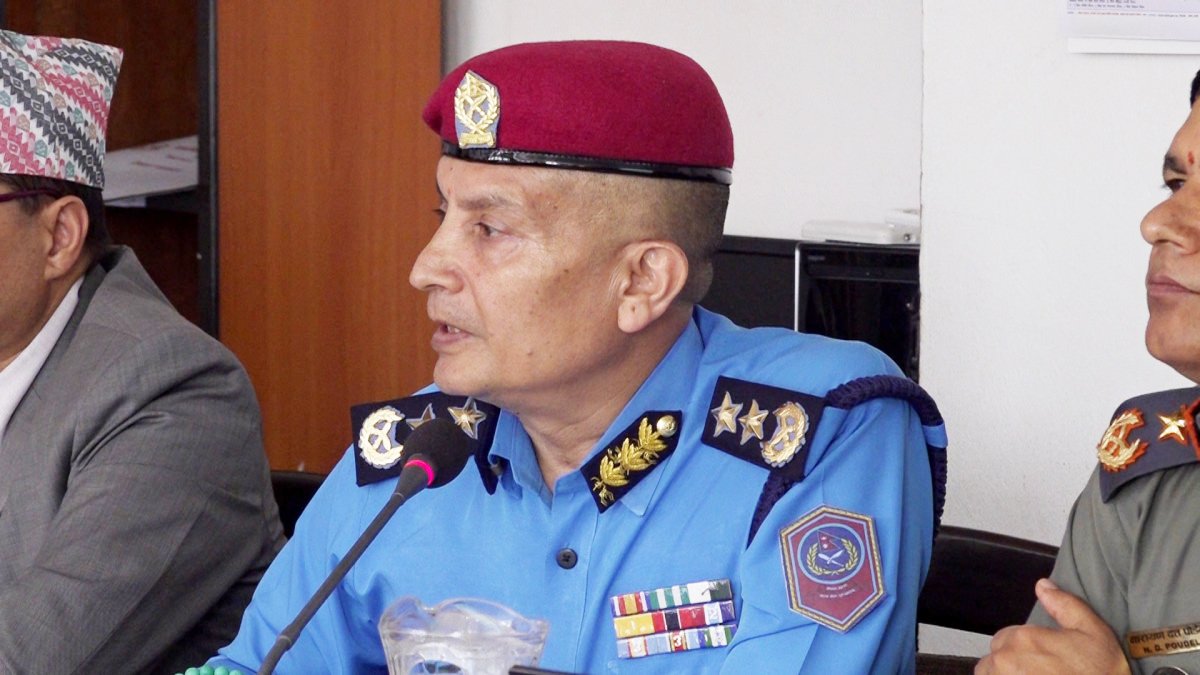
160 structures have been illegally constructed on the actual land where the river flows. Some structures are built entirely within the riverbed, while others have pillars dug into the river. According to the committee's report, there are 97 temporary individual structures within the riverbed. The rest are permanent structures. Among these, there are 35 individual, institutional, and 18 government structures. An additional 10 temporary institutional structures have also been found to be constructed. Government bodies responsible for enforcing regulations and community leaders are at the forefront of encroachment. According to the report, the Armed Police Force (APF) training center building at GaiGhat in Ward No. 17 is located within the riverbed.
The campaign to remove structures from the riverbed is ongoing. On the other hand, the debate about the standards for Phirke has not yet ended. On Poush 6, 2075, the executive committee led by the then Mayor Man Bahadur GC decided to set the standard for Phirke at 10 meters. Landowners along the river are demanding that the standards be reduced, citing potential hardship.
Similarly, Pokhara Engineering College has built nearly half of its structures by encroaching on the river, and the Little Step Boarding School building is also erected in the river. Besides these, dozens of structures including Kunwar Samaj Ghar, Baral Samaj Ghar, Sopal Tamu Samaj Ghar, Pun Magar Samaj, Giri Samaj Ghar, Lions Club building, Kiriya Putri Bhawan in Bagaletol and Archhalbot, Photographer Association building, and Radhakrishna Temple have been built in the river.
However, after the Phirke Tamu Samaj and 13 other petitioners approached the court, claiming they had built structures with approved maps, the High Court Pokhara issued a short-term interim order on Kartik 24, halting the metropolis's campaign. But on Poush 16, a joint bench of Justices Milan Kumar Rai and Umesh Koirala dismissed the writ, fully clearing the legal path for the metropolis. Mayor Dhanraj Acharya says, 'No one has a land title within the actual size of the river (riverbed). We will discuss the standards later; for now, we are focused on removing structures built on the river's land. There is no escape now.'
What are the standards?
The campaign to remove structures from the riverbed is ongoing. On the other hand, the debate about the standards for Phirke has not yet ended. On Poush 6, 2075, the executive committee led by the then Mayor Man Bahadur GC decided to set the standard for Phirke at 10 meters. Landowners along the river are demanding that the standards be reduced, citing potential hardship. After removing encroachments, the metropolis has stated that Phirke will be beautified under a Rs 7 billion project for sustainable tourism from the Asian Development Bank (ADB).
The plan is to purify the river water and construct a Phirke corridor with green footpaths on both sides of the river, making it a new tourist destination for Pokhara. The report had recommended immediately halting physical construction around the river, removing scrap collection centers and garages, and protecting open spaces.
This specific news has been automatically translated by AI. As a result, there may be some inaccuracies or language errors.