Bagmati Province's Communist Party Suggests Reducing Ministries to Seven

Hetauda. The Nepali Communist Party (NCP) has suggested moving forward with the model of the former 7 ministries in the administrative restructuring initiated by the Bagmati Province government.
The NCP Bagmati Provincial Assembly Parliamentary Party has expressed disagreement with the province government's administrative restructuring report and proposed limiting the number of ministries to 7.
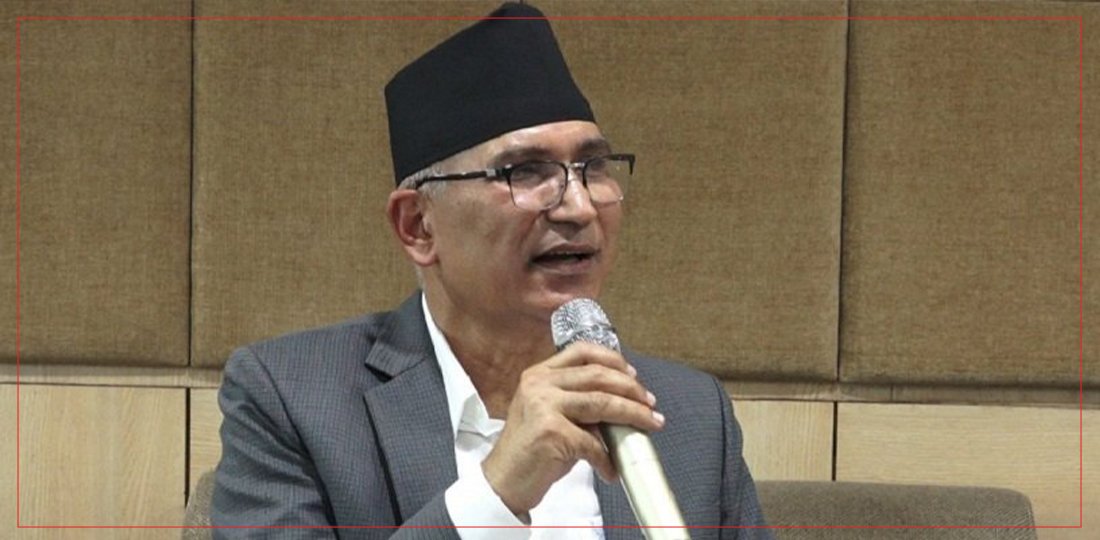
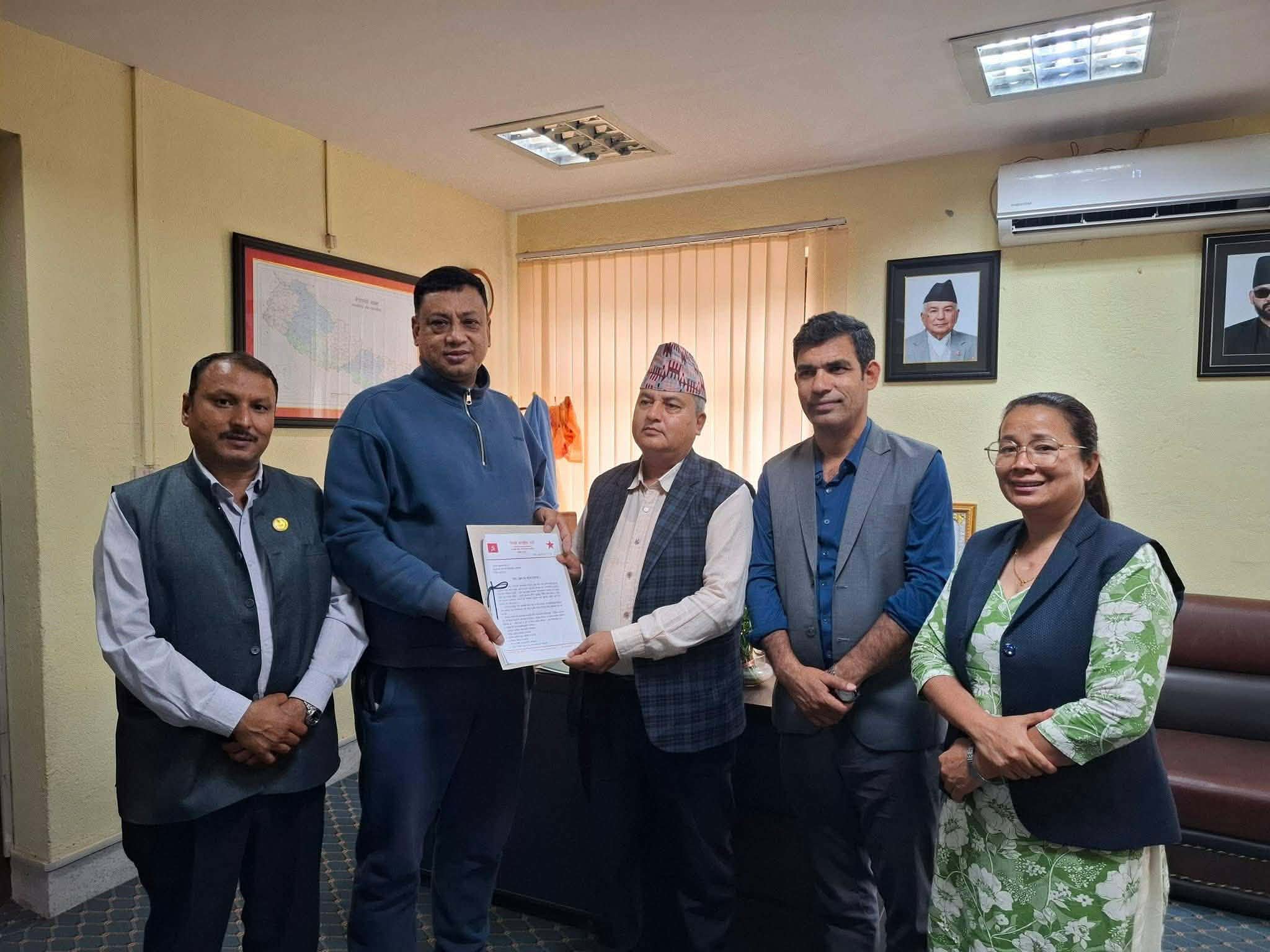
Party leader Shalikram Jammakattel urged Chief Minister Indra Bahadur Baniyan in a suggestion letter to make administrative reforms effective, economical, and result-oriented.
He stated that it is not necessary to form two separate committees for the same objective and that it would be appropriate to form a single committee under the leadership of a minister, including experts, for study.
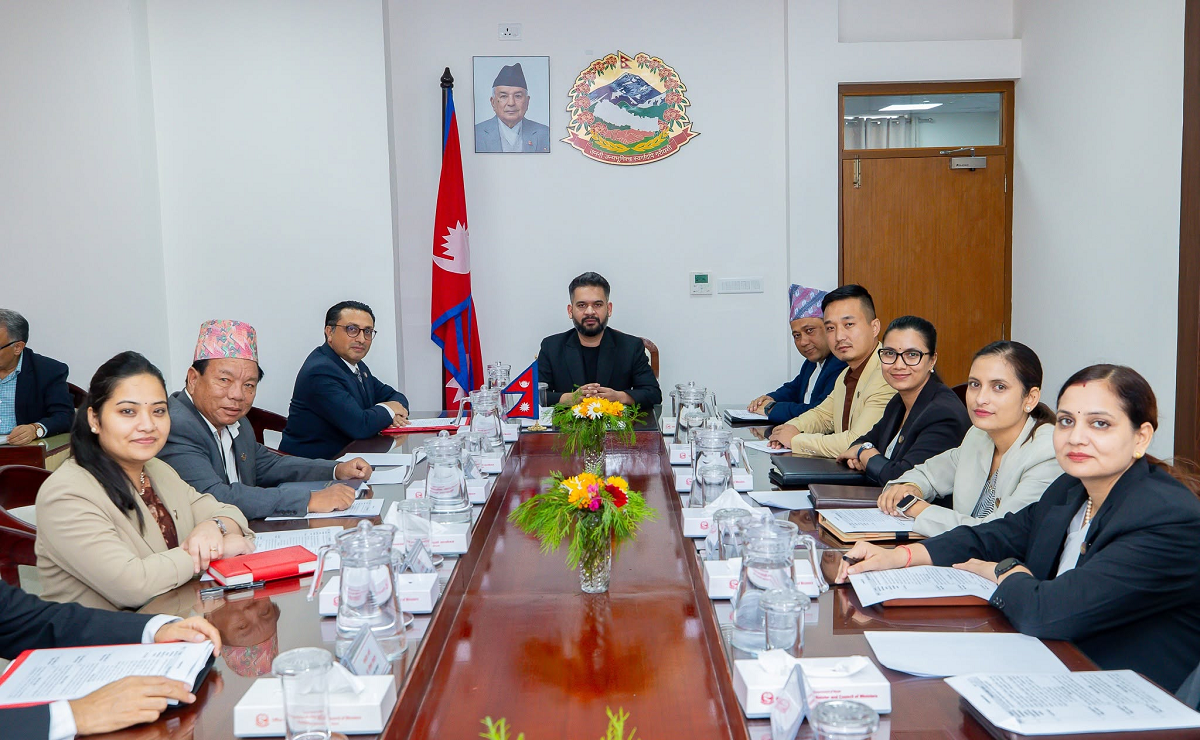
The Bagmati Province government had formed a high-level steering committee under the convenership of Province Minister of Agriculture and Animal Sciences Madhusudan Poudel and a suggestion committee of experts led by former secretary Bimal Wagle for administrative restructuring. According to the suggestion of this committee, the government was moving forward with establishing 8 ministries in the province.
The NCP has expressed disagreement with this. The NCP stated that ministries of strategic importance should not be removed or merged. Accordingly, the NCP has urged Chief Minister Baniyan to proceed with the model of the former 7 ministries.
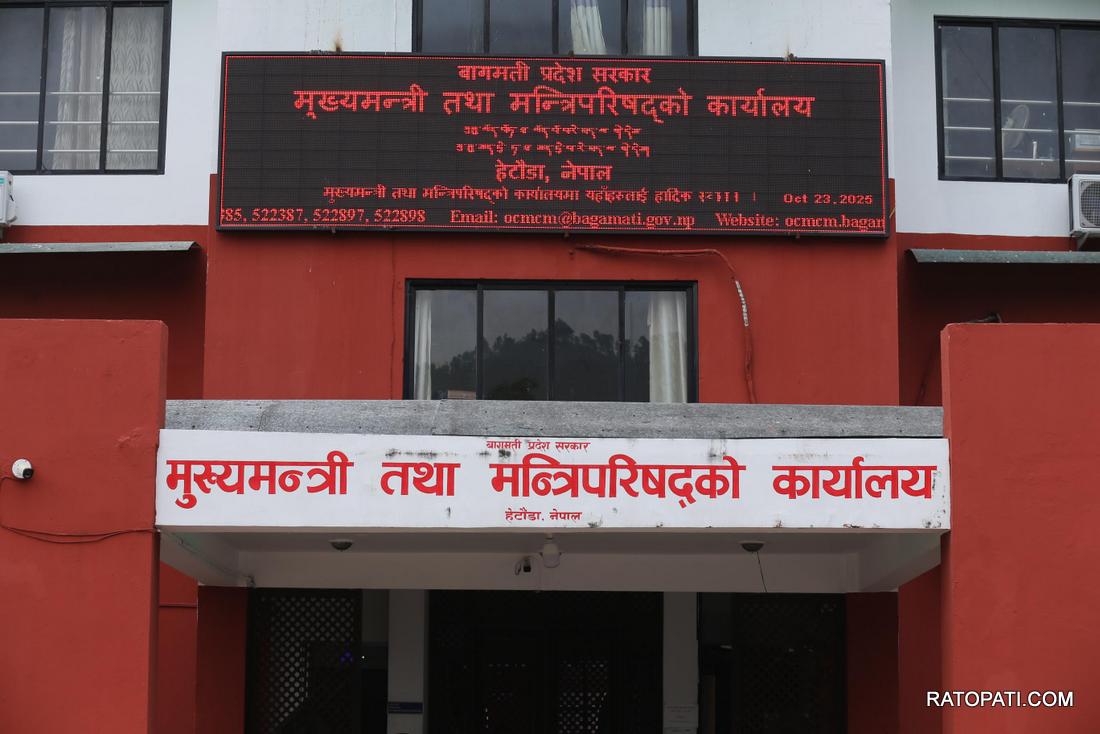
The NCP has proposed to reduce the size of the provincial government and control expenditure by establishing the Chief Minister and the Office of the Council of Ministers, the Ministry of Internal Affairs and Law, the Ministry of Physical Infrastructure Development, the Ministry of Economic Affairs and Planning, the Ministry of Social Development, the Ministry of Agriculture, Animal Sciences and Cooperatives, and the Ministry of Industry, Culture, Tourism, Forest and Environment in the province. This model was in place at the time of the establishment of the former province structure.
The NCP states that the structure that existed at the time of the province's establishment was scientific, balanced, and practical, and it should be continued. Party leader Jammakattel also drew the attention of the provincial government to the issue of avoiding duplication of work and interference between ministries. Furthermore, he stated that it is not appropriate to abolish the relevant ministry for the implementation of the provincial police adjustment process.
The NCP has suggested that structures such as the Provincial University, Provincial Governance Center, and Provincial Policy and Planning Commission should not be abolished but should be further strengthened and operated effectively. It has been stated that these bodies are necessary for the province's policy formulation, human resource development, and administrative efficiency enhancement.
The NCP argues that removing the Provincial Governance Center, which is an important institution for enhancing the capacity of employees and representatives, would be a reduction of its own rights. The NCP has emphasized that the Provincial Policy and Planning Commission should be maintained as the central body for development planning.
Similarly, the NCP's view is that it is not appropriate to reduce the number of employees working in the province as the Federal Civil Service Act has not yet been enacted and the number of positions is yet to be determined. It has suggested that employees working with minimal facilities and services should be retained.
The NCP has demanded that to facilitate service delivery at the district level, offices should be merged and an integrated service system should be implemented if there is a lack of necessary resources and manpower. It has been emphasized that the administrative structure should be restructured to ensure that services reach the local level smoothly.
The NCP has warned that if the current restructuring report is implemented, the provincial structure will be weakened, service delivery will be affected, and public trust in federalism may decrease. The NCP has urged the provincial government to seriously consider its suggestions.
This specific news has been automatically translated by AI. As a result, there may be some inaccuracies or language errors.