Soaring Inflation Hits Nepali Consumers in Chaitra

Kathmandu. The month of Chaitra has proven to be extremely difficult for Nepali consumers. The 'Price Analysis Report for the month of Chaitra, Fiscal Year 2082/83' published by the Department of Commerce, Supplies and Consumer Protection shows an abnormal rise in the prices of daily essential goods in the market.
The department stated that the direct impact on the public's kitchen is due to the continuous rise in petroleum prices and the strong exchange rate of the US dollar, which has made transportation and imports expensive.
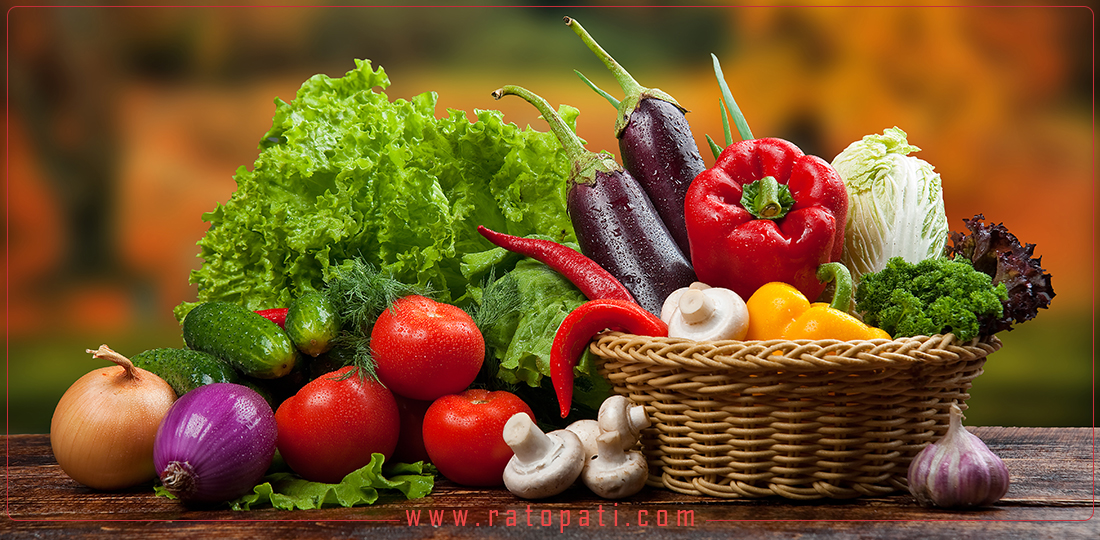
According to the department's report, the highest price increase in Chaitra was seen in the vegetable market. Based on the price details of the Kalimati Fruits and Vegetable Market, the price of some vegetables has increased by more than 300 percent.
According to the department, the price of local cauliflower has increased by 304.76 percent. Similarly, the price of hybrid green beans has increased by 300 percent and local green beans by 266.67 percent.
The prices of pumpkin and broccoli have also seen an increase of 200 and 187 percent, respectively. The report concludes that vegetable prices have gone out of control due to seasonal effects and increased transportation costs. However, the prices of items like fiddlehead fern (niguro), mushrooms, tofu, and bamboo shoots were found to be stable.
The massive increase in fuel prices in Chaitra has been the main factor behind the inflation. According to the report, petroleum prices were adjusted 6 times between Falgun and Chaitra.
By Chaitra 26, the price of petrol reached 219 rupees per liter, and diesel and kerosene reached 207 rupees. Similarly, the price of cooking LP gas was 1910 rupees per cylinder.
The price of aviation fuel has also increased to 1785 rupees. The department stated that due to this fuel price hike, transportation fares and production costs have increased, leading to higher prices for all types of goods in the market.
Fluctuations in the US dollar exchange rate have also played a role in increasing inflation. On Chaitra 16, the buying rate of the US dollar reached 151.41 rupees and the selling rate reached 152.01 rupees, setting a record.
Since most of Nepal's food and industrial raw materials depend on imports, imported goods have become expensive as the dollar rate increases. The report mentions that the instability of the dollar has created 'imported inflation' in the market.
Food prices have also seen an increase in the month of Chaitra. According to the report, food prices are relatively higher in the Kathmandu Valley compared to other cities. The average price of Sona Mansuli rice has reached 95 rupees per kg, Basmati rice 185 rupees, and Jeera Masino rice 102 rupees. Black gram (mas ko dal) has reached 190 rupees per kg and lentils (musuro ko dal) 185 rupees. While the price of sugar is fixed at 100 rupees per kg, a slight increase in oil prices has also been observed.
The department considers the imbalance between supply and demand, fuel price hikes, and the influence of middlemen as the main reasons for the rise in market prices. The report states, 'It is a matter of concern that prices are rising instead of falling during the harvest season for food products. The abnormal price fixing by middlemen also seems to be at play here.'
For market control and consumer protection, the department has announced that the mandatory implementation of Maximum Retail Price (MRP) will be enforced in the coming days. It also stated that intensive market monitoring, the use of information technology, and an emphasis on local production will be prioritized.
This specific news has been automatically translated by AI. As a result, there may be some inaccuracies or language errors.