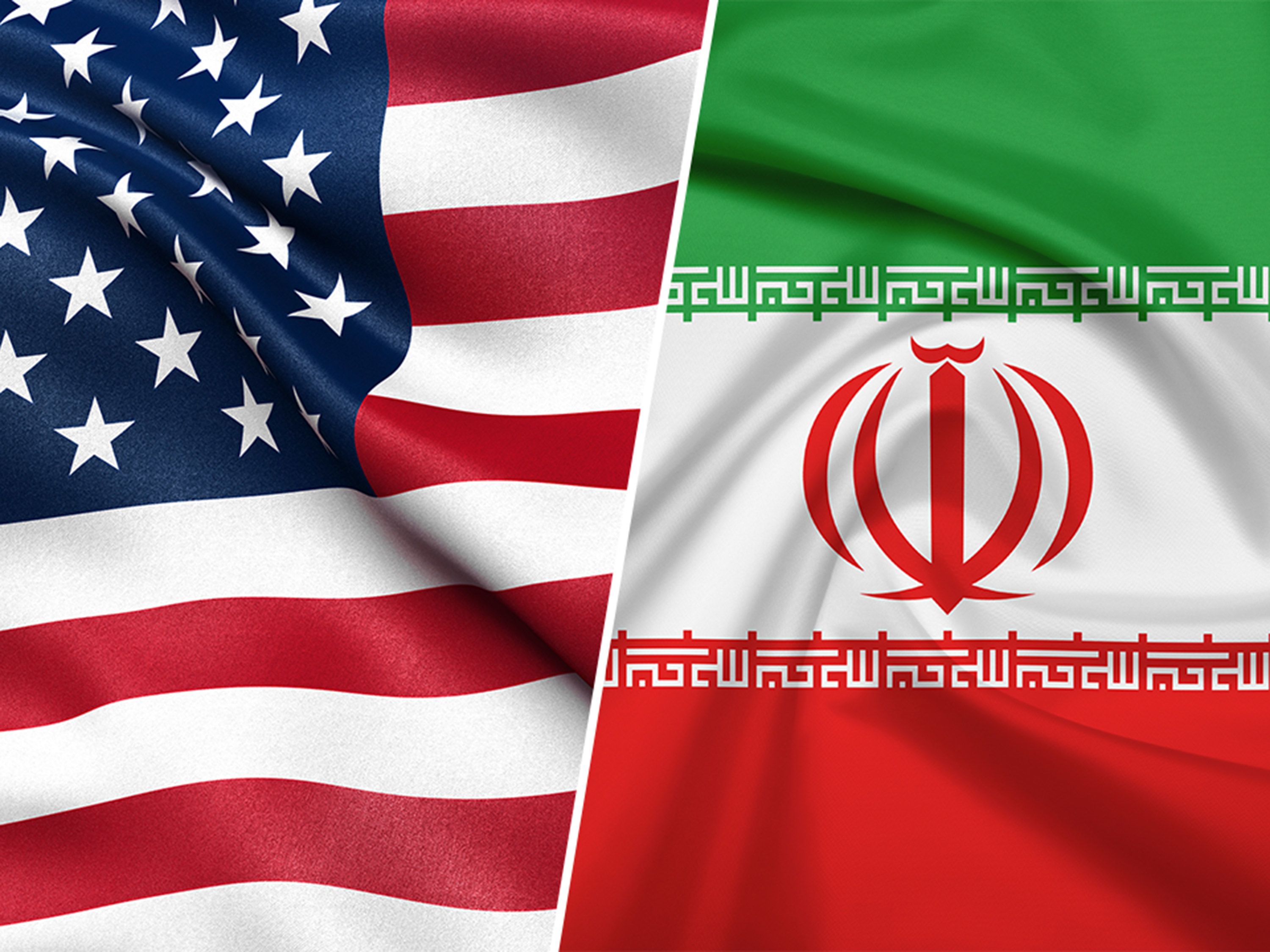
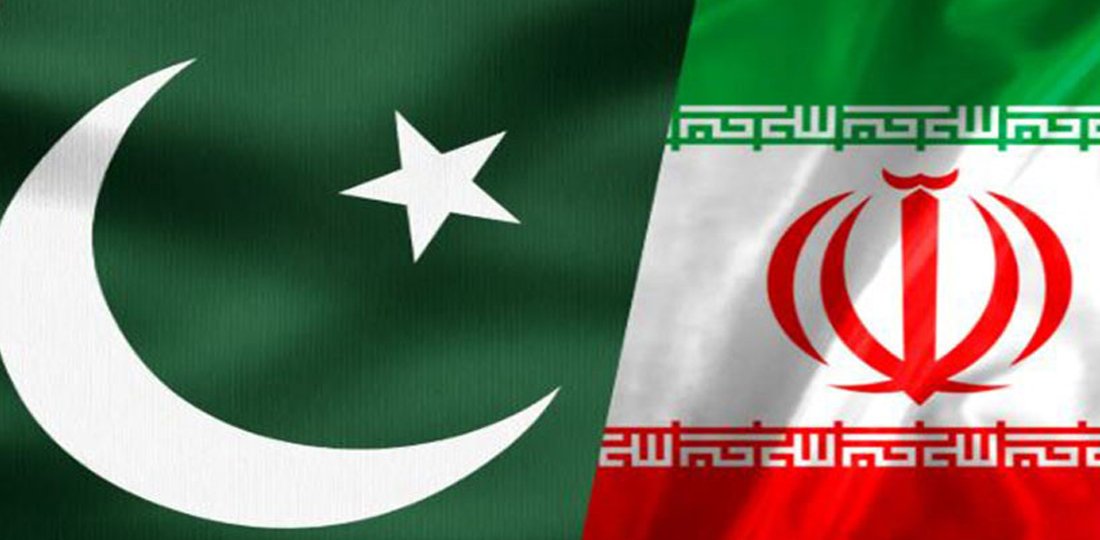
US Extends Iran Ceasefire Indefinitely Amid Persistent Regional Tensions

Tehran. Although US President Donald Trump has extended the ceasefire with Iran indefinitely to allow for diplomatic resolution, the situation on the ground remains uncertain and pressurized. This decision, aimed at providing space for peace efforts, signals a dual approach of diplomatic engagement and continued military pressure.
The US stated that the ceasefire was extended to provide more opportunity for negotiations mediated by Pakistan. Trump noted that Iran's leadership needs time to prepare proposals, leading to the indefinite extension as the initial two-week deadline approached. However, he clarified that US sanctions on Iranian ports will remain in place, which has become a major point of contention in the talks.
Expressing his views via social media, Trump accused Iran of seeking to keep the Strait of Hormuz open. He claimed that keeping this strait open generates approximately $500 million in daily revenue for Iran. He emphasized that maintaining US control over this waterway, which supplies about one-fifth of the world's oil and gas, is strategically vital.
He signaled that an effective agreement with Iran might not be possible if sanctions are lifted. Previously, he had warned that he had no intention of extending the ceasefire and that attacks could resume once the deadline passed. However, in his latest decision, he stated that he has directed the military to maintain sanctions and remain prepared for all potential scenarios. He maintains that the ceasefire will continue until a concrete proposal is received from Iran.
Amid confusion over when the ceasefire would end, Pakistan had indicated it would conclude at 2350 GMT on Tuesday, while Iran stated it would end at 0000 GMT. Although no new military activity was reported as the deadline approached, Iran has not yet issued an official response to Trump's decision.
Meanwhile, peace talks scheduled to be held in Islamabad under Pakistan's initiative have also become uncertain. A White House official confirmed that the proposed visit by US Vice President JD Vance was postponed at the last minute. High alert has been maintained in Islamabad, with security forces cordoning off government areas, reflecting the sensitivity of the talks.
Pakistani Prime Minister Shehbaz Sharif welcomed the ceasefire extension and expressed gratitude for the US decision, while UN Secretary-General Antonio Guterres also viewed it as a positive step. However, Iran has warned that if attacks are launched using its territory, it will strike oil infrastructure in the Gulf region, further escalating tensions.
Following the first round of talks, the US announced it would block Iranian ports. According to US Treasury Secretary Scott Bessent, oil storage at Kharg Island could reach capacity within days, impacting production. He stated that halting Iran's maritime trade would directly affect its primary source of revenue. Additionally, a warning has been issued that any individual or vessel assisting in evading sanctions will fall under the scope of US restrictions.
The US Department of Defense also reported that it had intercepted and boarded a 'stateless' vessel, which was said to be linked to Iranian activities. Both sides are accusing each other of violating the ceasefire, further deepening the crisis of confidence.
Residents of Tehran have stated that life remains difficult despite the ceasefire. A 39-year-old local resident remarked that 'this painful ceasefire has made life even harder,' adding that no one around them is experiencing a comfortable situation. Experts suggest that Iran's public silence may be a strategy to exert pressure on Washington.
Analysts say the current situation has evolved into a competition of political endurance and seeking leverage in negotiations rather than purely military conflict. Despite the uncertainty, hope for a potential agreement has shown positive signs in the international market.
In this context, another front in the Middle East remains active. It is reported that new talks will be held in Washington on Thursday between Israel and Lebanon, which have no formal diplomatic relations. Previously, both sides had agreed to a separate 10-day ceasefire, which also includes the Iran-backed Hezbollah.
However, sporadic violence continues in southern Lebanon, and the Israeli military has warned residents of dozens of villages not to return home. On Tuesday, Israel stated that it had attacked launch sites in response to what it claimed were numerous rocket attacks by Hezbollah against its forces.
According to Lebanese government data, at least 2,454 people have lost their lives since the war began. Hezbollah has also described its attacks on northern Israel as a response to Israel's violation of the ceasefire, the first such claim since the truce began.
This specific news has been automatically translated by AI. As a result, there may be some inaccuracies or language errors.