Asian Markets Decline Amid Middle East Tensions and Rising Oil Prices

Tokyo. Asian stock markets fell on Monday.
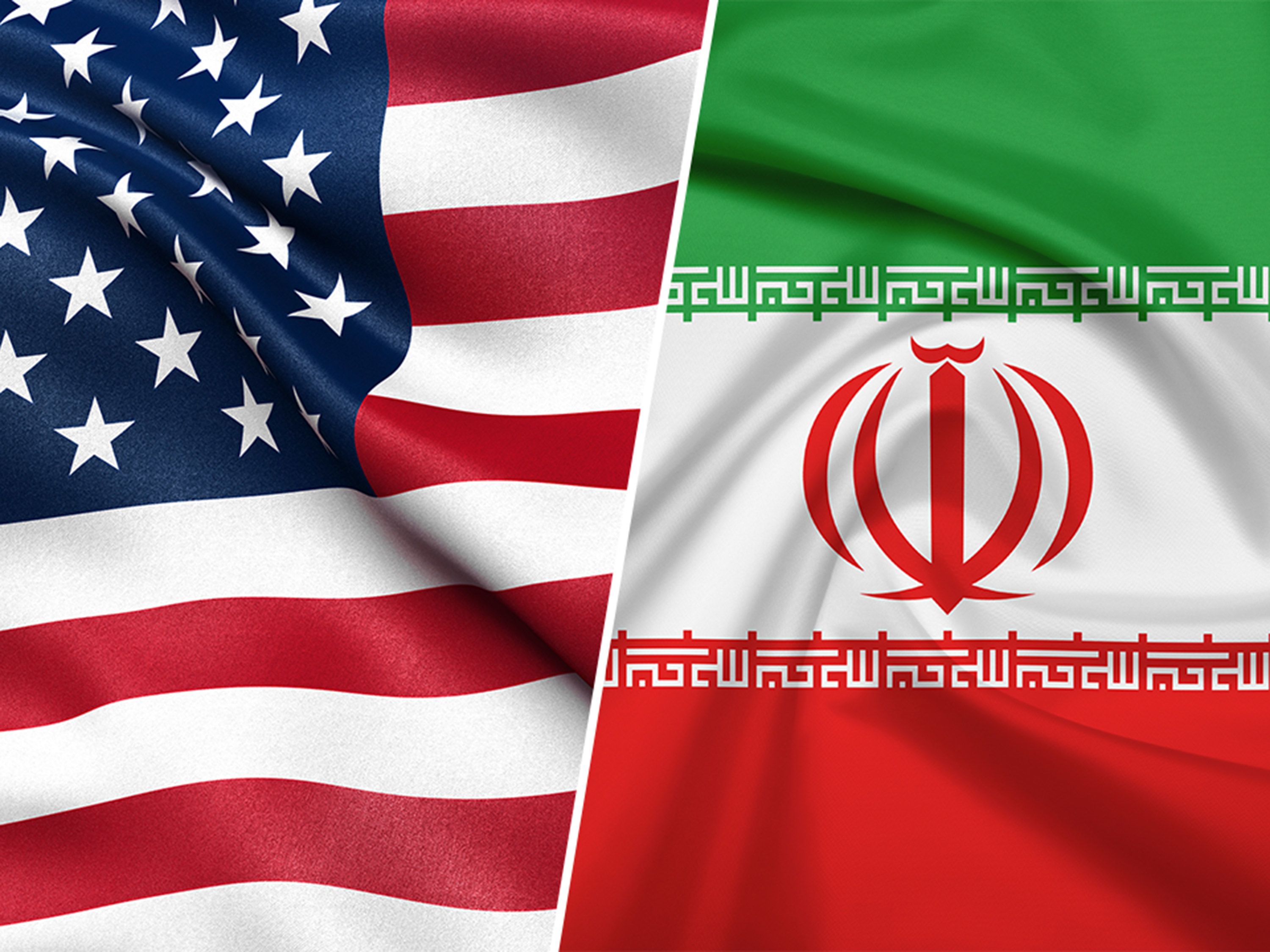
The decline follows growing investor anxiety after peace talks between the United States and Iran failed to reach a conclusion. Markets faced further pressure after U.S. President Donald Trump threatened to impose his own blockade on the Strait of Hormuz. With Iranian military control currently over this waterway, uncertainty has increased regarding the global supply chain.
In Hong Kong, the benchmark Hang Seng index fell by 1.03 percent to 25,852.5 points. In China, the Shanghai Composite rose by 0.04 percent to 3,987.79 points. Japan's Nikkei 225 dropped by 0.75 percent, while South Korea's KOSPI fell by 1.2 percent.
Meanwhile, oil prices are rising sharply. Since nearly 20 percent of the world's oil supply passes through the Strait of Hormuz, disruptions there have impacted the market. The U.S. benchmark West Texas Intermediate (WTI) crude rose by 8.6 percent to $104.89 per barrel, while Brent crude increased by 7.3 percent to $102.15.
A ceasefire announced last week had raised hopes for a normalization of supply. However, uncertainty remains after the latest talks in Pakistan ended without a conclusion, despite President Trump's claims that the ceasefire is holding. Economists suggest that even if the Strait of Hormuz remains open, it could take months for energy supplies to fully normalize. The impact is being felt beyond Asia, reaching the U.S. agricultural sector.
The Asian Development Bank (ADB) has projected that economic growth in the Asia-Pacific region will fall to 5.1 percent in 2026 and 2027 due to this crisis.
Inflation is estimated to reach 3.6 percent. ADB Chief Economist Albert Park stated, 'A prolonged conflict in the Middle East is the biggest risk to the regional economy, which could keep energy and food prices high and tighten financial conditions.'
This specific news has been automatically translated by AI. As a result, there may be some inaccuracies or language errors.