Nepal Telecom Introduces New 'Pay-As-You-Go' Control Feature for Mobile Users

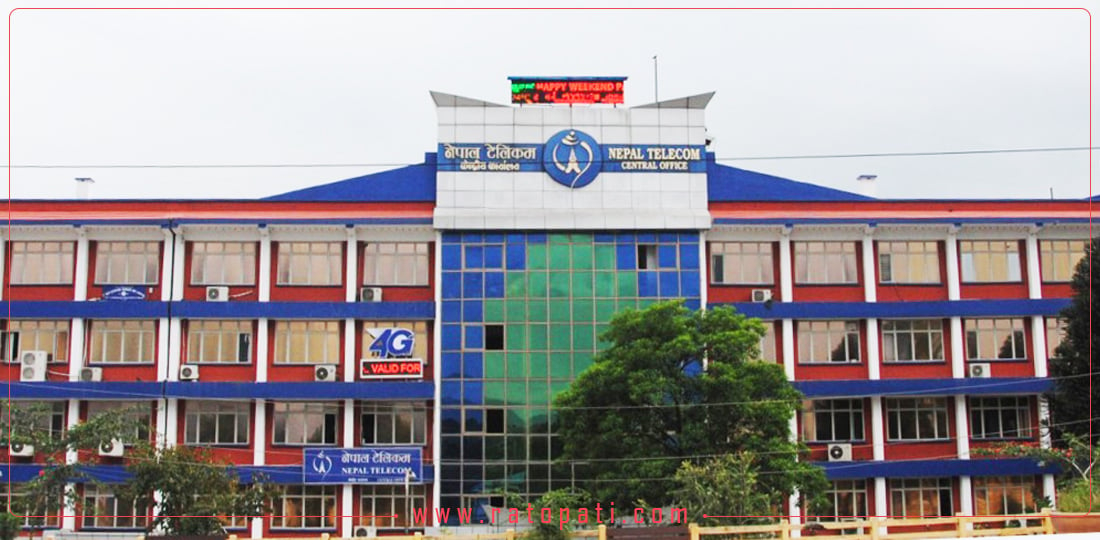
Kathmandu. Addressing long-standing customer complaints, Nepal Telecom has introduced a new system allowing prepaid and postpaid mobile users to control the 'Pay-As-You-Go' feature.
Previously, customers faced issues where their main balance was automatically deducted once their data package expired. Now, customers can choose to enable or disable the 'Pay-As-You-Go' feature to prevent or allow data usage from their main balance after a package expires.
To use this feature, customers must dial *14443# from their mobile devices. By selecting option 4 from the menu, users can check the status, activate, or deactivate the service by pressing 1, 2, or 3 respectively.
If a customer deactivates this feature, internet access will automatically stop once the data pack is exhausted, keeping the main balance secure. Those who wish to use the internet without a data pack can keep the feature active. The company stated that this service will also be available through the Nepal Telecom mobile app in the near future.
Additionally, the telecom has updated its data consumption notification system. Customers will now receive an SMS alert once 90 percent of their data package volume has been consumed.
This option was provided in line with the Ministry of Communication and Information Technology's reform plan and a Cabinet decision, prioritizing customer interests. It is expected to provide significant relief to customers by preventing accidental main balance deductions.
In response to customer demand, the company has also improved package validity. A new 'Prepaid Combo 299' pack has been launched, offering a full 30-day validity period instead of the previous 28 days.
Available for just 299 rupees, this package includes 300 minutes of talk time to all networks, 4GB of data, and 20 SMS for use within the Nepal Telecom network.
Nepal Telecom plans to transition other packages to a 30-day validity period in the future.
This specific news has been automatically translated by AI. As a result, there may be some inaccuracies or language errors.