
Vanishing Art: The Decline of Traditional Tharu Wall Murals in Kanchanpur

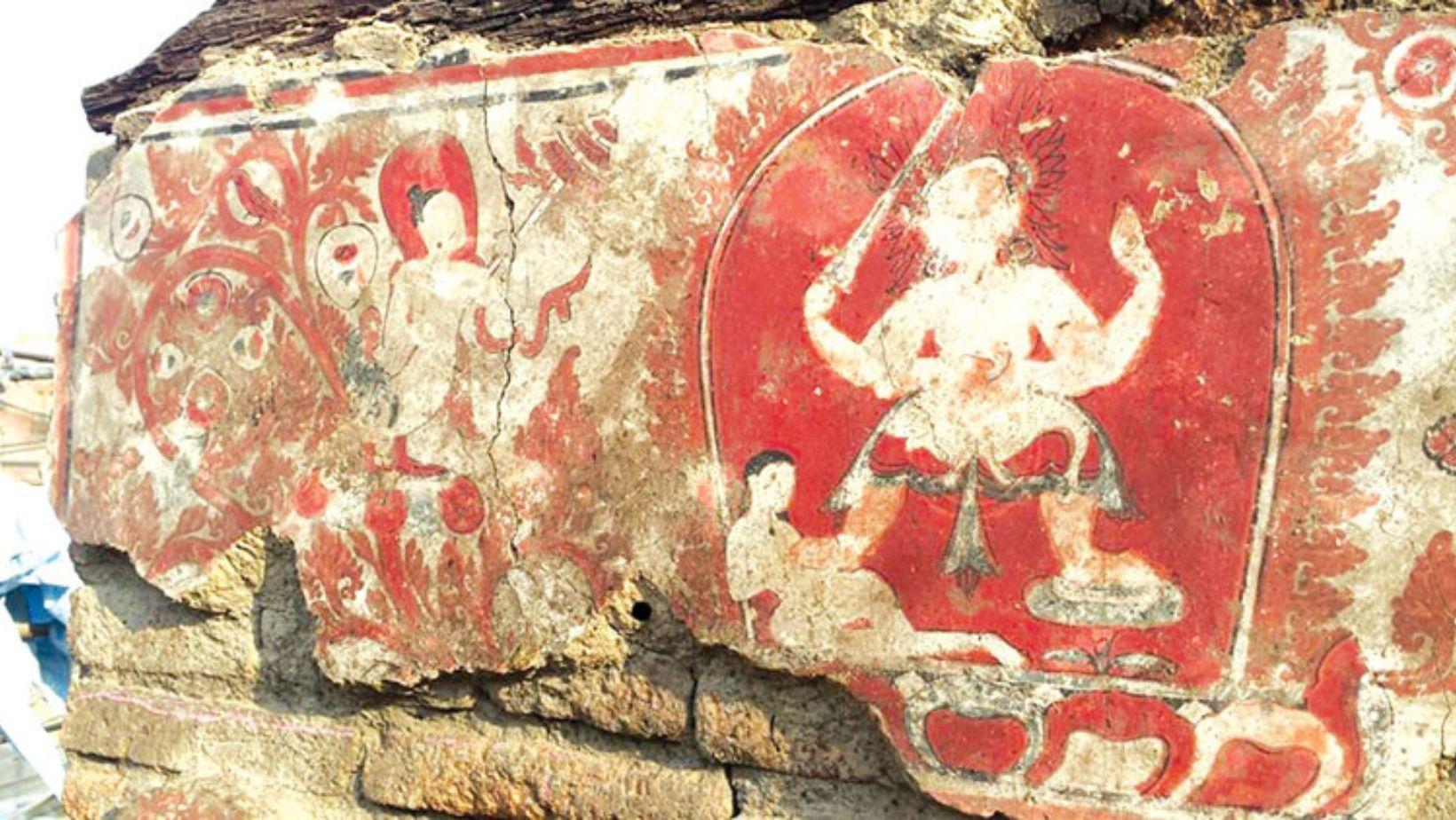
Kanchanpur. The intricate murals carved into mud walls were once the hallmark of Tharu villages in Kanchanpur. The figures of animals, birds, deities, and scenes of daily life etched onto the walls at the entrance of homes reflected the Tharu community's culture, reverence for nature, and lifestyle. However, with changing times and the growing trend of constructing concrete houses, this traditional folk wall art of the Tharu community is now on the verge of extinction.
Previously, Tharu households would feature paintings of trees, brides and grooms in palanquins, elephants, horses, peacocks, birds, farmers plowing with oxen, humans, fish, turtles, spotted deer, tigers, bears, and deities like Ganesh and Shiva-Parvati. Women were particularly skilled in creating these artworks.
These paintings were not merely decorations but symbols of life philosophy, religious faith, reverence for nature, and social customs. Through these murals, the Tharu community expressed their lifestyle, wildlife, forests, agriculture, marriage rituals, and their relationship with the divine. Rana Tharu community leader Jagta Rana says, "After harvesting wheat, during the leisure time in Baisakh-Jestha, new houses were built and old ones repaired. It was a tradition for women to bring mud, plaster the house, and paint the walls; it was a part of our culture and identity." According to him, all the women in the village would collectively plaster the houses, and those skilled in the craft would carve the murals. This fostered mutual cooperation, harmony, and community unity.
Tharu leader Hawaldar Chaudhary explains that after the selection of the 'Badghar' (village head), there is a tradition of planning property division, house construction, and repairs. He notes that it has been a long-standing tradition for the entire village to collectively build each other's homes.
According to him, as concrete house construction increases in villages near cities, the tradition of collective building and wall painting is slowly fading, though it persists to some extent in remote rural areas. He notes that the figures in the murals held specific symbolic meanings.
"Horses were considered symbols of transport, power, and dynamism," he said. "Turtles represented longevity and patience, peacocks symbolized beauty and prosperity, elephants stood for power and pride, and the depiction of a bride and groom in a palanquin highlighted the importance of marriage rituals and family bonds."
Elderly woman Dropati Rana from Dekhatbhuli said, "Living in houses made of raw mud and wood, we used to paint the walls with our own hands. I learned this art from my grandmother. Now, there is no one left to draw, nor are there any mud walls left." According to her, this art was passed down through generations, with mothers and grandmothers teaching their daughters.
However, in recent decades, the rise of concrete houses has led to the disappearance of mud walls, and consequently, the tradition of wall painting, says local resident Bilbahadur Chaudhary of Pipaladi village. "Previously, women would paint the walls, but now cement walls are painted with commercial paint. The tradition of mud murals has vanished," he said. "It is difficult to find these paintings even if you look for them."
Some houses used colors in their murals, while others did not. The colors used were prepared from natural materials. Yellow was derived from turmeric, red from red clay, gray or black from ash, and green and other colors from tree bark and leaves, reflecting an eco-friendly and natural lifestyle.
Tharu cultural expert Narendra Prasad Chaudhary believes that Tharu wall art is not just art but a living document carrying the community's history, culture, and philosophy. The paintings depicted reverence for nature, coexistence with wildlife, agriculture, social customs, marriage, and faith in deities.
"In our childhood, we watched our mothers and grandmothers paint. Now, that art is rare. If this tradition were included in the school curriculum, the new generation could learn it," he said. "To preserve this folk art, we need to start at the school level by including Tharu art and culture in the curriculum, conducting local painting workshops, organizing mural festivals, and displaying samples in museums."
He also suggests that the practice of creating traditional paintings on concrete walls using modern paint could help preserve the art in modern homes.
"Tharu wall art was not just a means of decorating a house," said Tharu intellectual Chandra Lal Chaudhary. "It was a medium of community expression. The collective work of plastering and painting strengthened unity and social bonds, traditions that are now fading."
"The paintings on mud walls are slowly being erased," he adds. "The history, culture, and identity they carry are still alive. Now, we need to pass this history to the new generation, paint the walls again, and try to revive this indigenous art."
"With timely conservation, training, awareness, and government initiatives, there is still hope that we will see elephants, horses, peacocks, brides, grooms, and nature scenes on the walls of Tharu villages again. Whether that day comes depends on the efforts of the current generation," he says.
This specific news has been automatically translated by AI. As a result, there may be some inaccuracies or language errors.




_iL3K2wYemS.jpg)