Iran Warns of Severe Retaliation Against Potential US Ground Invasion Amid Escalating West Asia Conflict

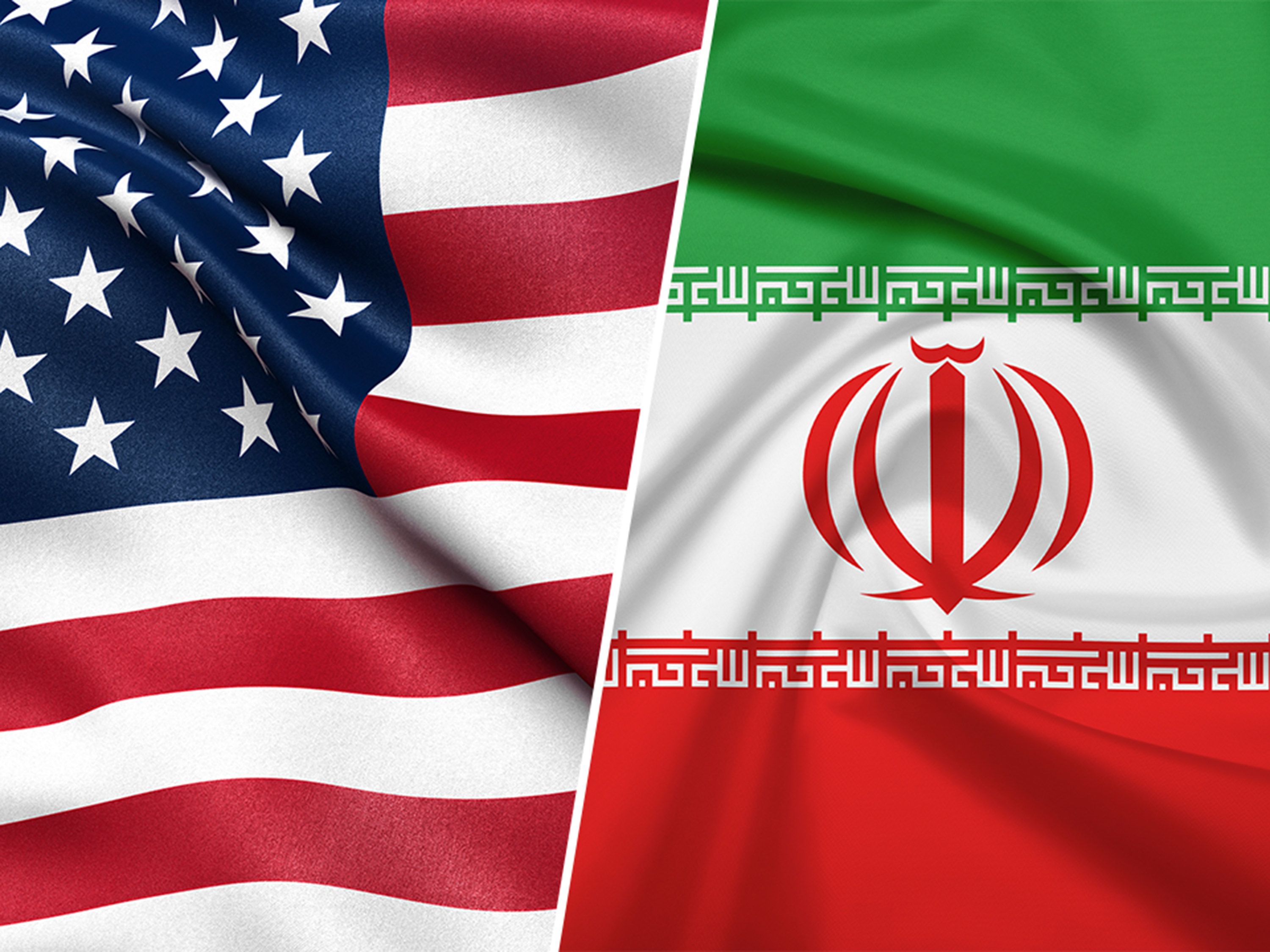
Tehran. As the ongoing war in West Asia escalates to a dire level, Iran has issued a stern warning that it will severely retaliate against any potential US ground invasion. Iran issued this response on Sunday, accusing Washington of proposing negotiations on one hand while secretly preparing for the deployment of ground forces on the other.
Mohammad Bagher Ghalibaf, Speaker of the Iranian Parliament, in a message to the nation, made it clear that the US is attempting to bring Iran to its knees, but they will not be humiliated under any circumstances and will respond forcefully. This war, which began with attacks by the US and Israel starting February 28, has now entered its second month.
Meanwhile, the Israeli army claimed to have launched intense overnight attacks targeting ballistic missile production centers and weapons depots in the Iranian capital, Tehran. In response, Iran also fired dozens of missiles towards Israel, forcing hundreds of thousands of its citizens to take shelter in bunkers. It is reported that a massive fire broke out in Israel's southern industrial zone after missiles or their debris fell, putting chemical plants located there at risk.
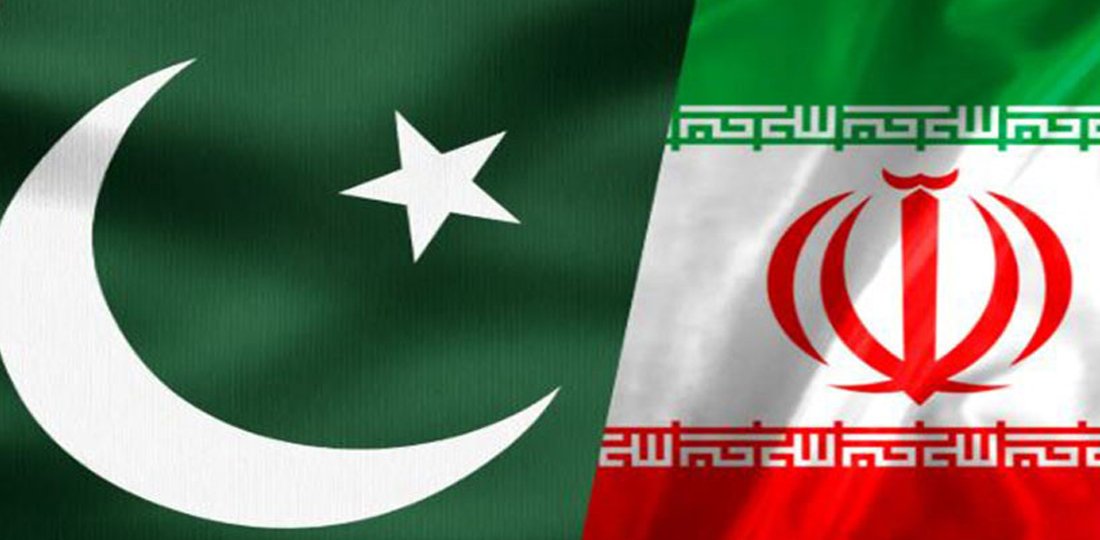
Foreign ministers from regional powers Pakistan, Saudi Arabia, Turkey, and Egypt have gathered in Islamabad, Pakistan, for an emergency meeting to stop the war. They expressed concern that this war has caused the biggest disruption to global energy supplies to date, and the rise in oil prices is seriously affecting international shipping and food security.
Specifically, the closure of the Strait of Hormuz has halted 20 percent of the world's oil and gas supply, and the maritime route has become further insecure after Houthi rebels in Yemen also began attacking Israel.
US President Donald Trump is currently under immense pressure. On one hand, the Pentagon is planning ground operations in Iran for weeks, and thousands of Marine commandos have already been dispatched to the Middle East, while on the other hand, Trump's popularity has seen a sharp decline.
According to analysts, both options for Trump—exiting through negotiations or escalating the war—are risky. This military tension appears to be pushing not only West Asia but the entire world's economy towards uncertainty.
This specific news has been automatically translated by AI. As a result, there may be some inaccuracies or language errors.