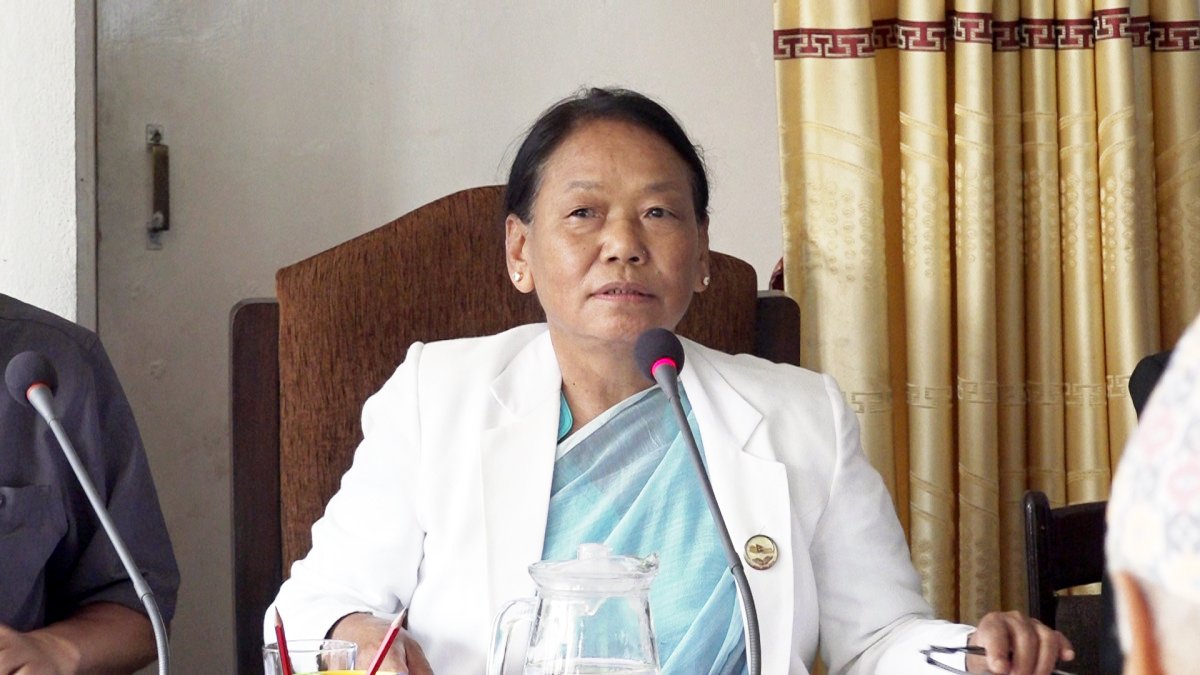
Former Chief Secretary Aryal: Security Forces Lacked Concrete Prior Warning of Violence During 'Jyanji' Protests


Kathmandu. Former Chief Secretary Eknarayan Aryal stated that the security agencies did not receive concrete prior intelligence that the 'Jyanji' (Gen Z) movement would escalate into such severe violence.
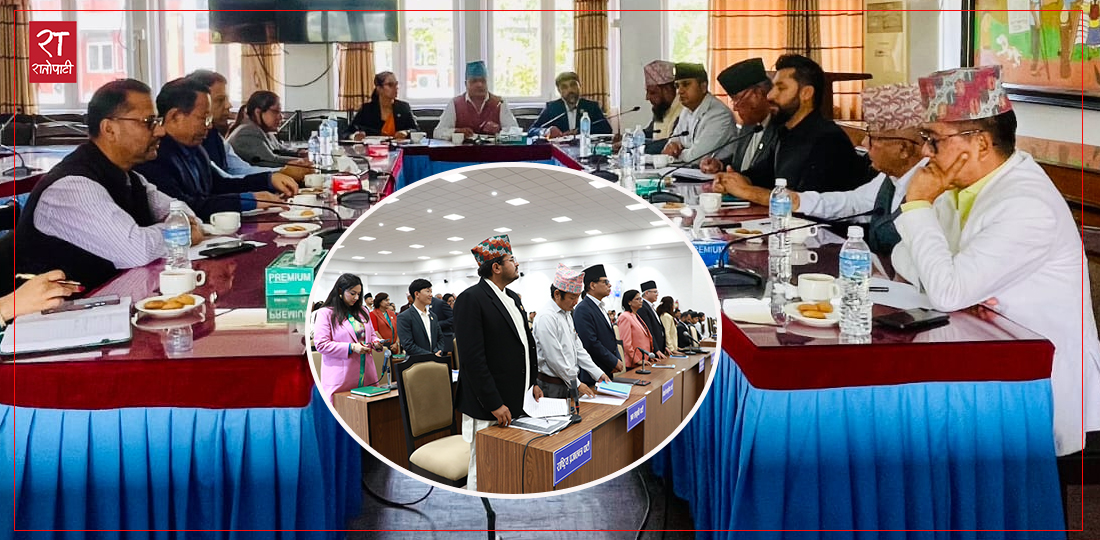
While testifying before the investigation commission formed to probe the movement, he clarified matters concerning the events of Bhadra 23 and 24, the high-level security meeting held at Baluwatar, and the controversies surrounding Rabi Lamichhane.
According to Aryal, although a security analysis of the movement was conducted in an informal meeting on Bhadra 22, security agencies could not foresee the level of violence and arson that would erupt via social media platforms (Discord, Reddit). He further stated that even during the 39th meeting of the National Security Council chaired by the Prime Minister at Baluwatar on the night of Bhadra 23, the situation was not assessed as being completely out of control.
Discussion Regarding Rabi Lamichhane and Conspiracy to Defame Personally
Aryal completely denied the claims circulating on social media that he played a role in safely extracting Rabi Lamichhane, Chairman of the Rastriya Swatantra Party, from Nakkhu Jail. "Such an act is not within the purview of the Chief Secretary; this is merely a conspiracy to defame me personally," he stated in his testimony. He asserted that there was no truth to the allegations leveled against him.
Pashupatinath Saved and Security of High-Ranking Officials
Aryal revealed that special security arrangements were made to protect Pashupatinath Temple from vandalism, fearing it could become a target for the protestors. He also mentioned coordinating with security agencies to prevent damage to sensitive installations such as foreign embassies, telecommunication centers, the Electricity Authority, and data centers. Noting that the situation became more serious after the Prime Minister's resignation, he informed that he, along with the Chief of Army Staff, urged the President to expedite the process of government formation.
Security Lapses and Impact of Political Interference
Admitting a lack of coordination among security agencies, Aryal stated that no single institution could be blamed. He concluded that the overall security management failed, evidenced by the police lacking adequate equipment and barricades, even though the army should have been on the frontline after the curfew was imposed. He analyzed that politicization within the bureaucracy, weaknesses in service delivery, and growing public outrage against corruption were the main causes of the events of Bhadra 23 and 24.
Aryal concluded that administrative and policy reforms are imperative to prevent such crises from recurring in the future. He suggested ending political interference to keep the morale of employees and security personnel high, increasing the use of technology, and ensuring the government is transparent and accountable. He also mentioned facilitating peace and security restoration and collecting damage statistics after Sushila Karki was appointed Prime Minister.
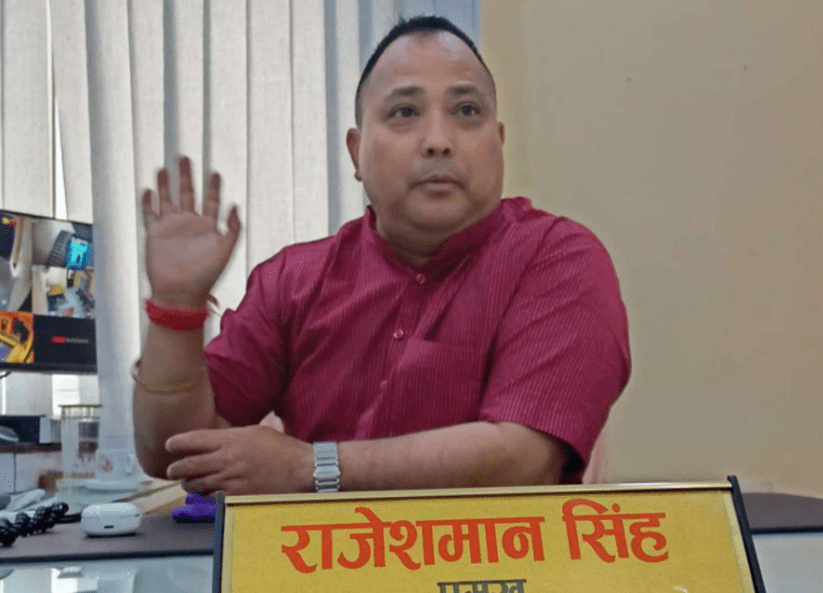
Former Chief Secretary Eknarayan Aryal:
In the informal meeting on Bhadra 22, 2082, we analyzed the security aspects of the demonstration called by the Gen Z generation for the following day, planning coordinated security arrangements to prevent loss of life and property. I was in my office at Singha Durbar while the demonstration was ongoing that day. Around 10 PM that night, the 39th meeting of the National Security Council was held at Baluwatar, chaired by the Prime Minister, where heads of security agencies gave verbal presentations. The Prime Minister instructed us to manage security through coordination among security agencies, and political coordination would be handled at the government level. We discussed effectively mobilizing the entire security apparatus through the Ministry of Home Affairs to minimize the impact of the incident and ensure minimal loss of life and property. Concrete intelligence regarding widespread violence, arson, or large-scale vandalism via social media platforms like Discord and Reddit was not presented at that meeting. Although I heard about increased activity on social media personally, the security agencies did not clearly assess that such a large-scale violent situation would arise. While a procession from Maitighar to Baneshwor was anticipated, the assessment did not foresee such extensive damage.
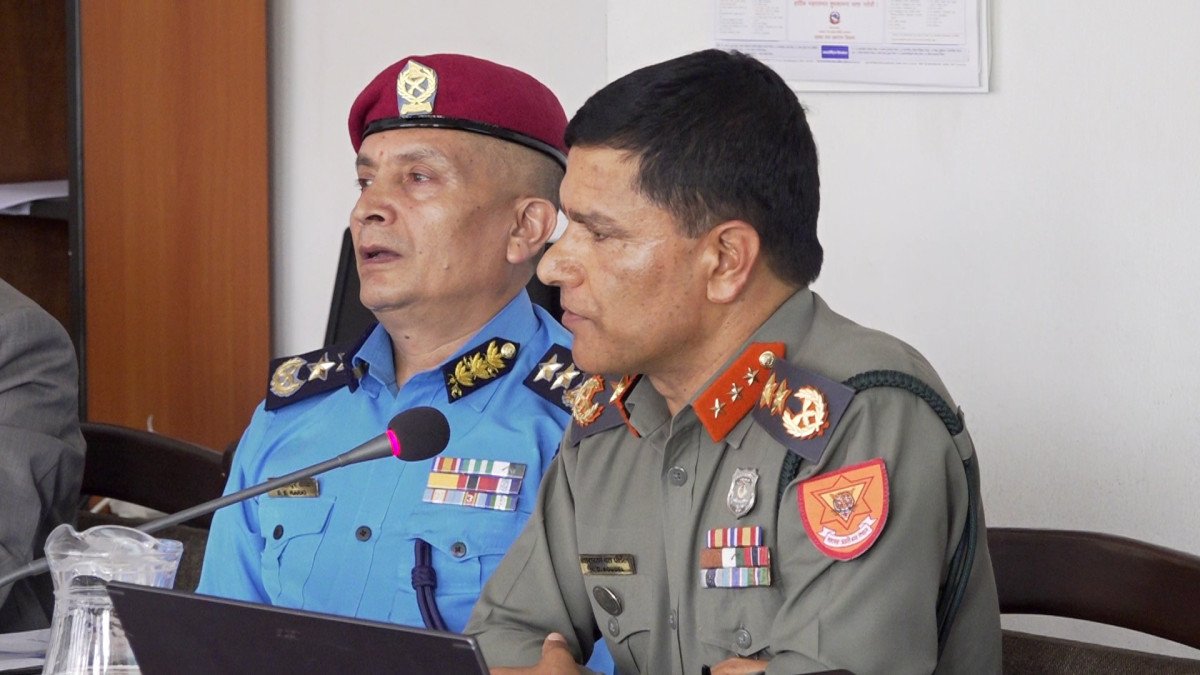
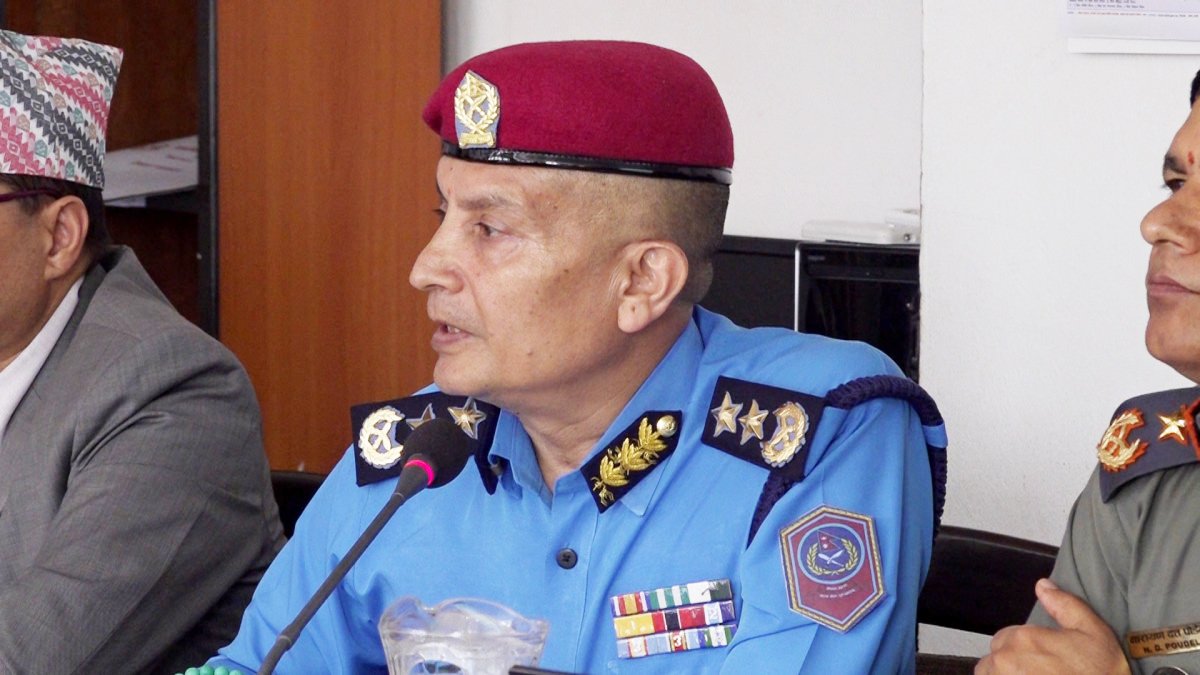
On the morning of Bhadra 24, around 10 AM, before the Prime Minister resigned, the Home Secretary, Chief of Army Staff, and all heads of security agencies met at Baluwatar to brief on the situation. After the Prime Minister's resignation, as reports indicated the situation was becoming more serious and spiraling out of control, in the evening, I, along with the Home Secretary, Chief of Army Staff, Inspector General of Police, Inspector General of Armed Police Force, and the Chief of the National Investigation Department, jointly participated in a public appeal with the objective of making the presence of the government felt by the citizens. Security agency chiefs also informally attempted to persuade some protest leaders by conveying the message that "we will only remain if the nation remains." I, in coordination with the Chief of Army Staff, urged the Honorable President to expedite the process of government formation. Prior to this, security arrangements were made to prevent damage to sensitive installations such as the District Police Range Kathmandu, foreign embassies, telecommunication centers, Nepal Electricity Authority, and electricity and water supply offices. Security was arranged for top leaders and incumbent ministers, including high-ranking officials, and Pashupatinath Temple was protected from vandalism. Since the constitutional provision dictates that the Chairman of the Security Council, the Honorable Prime Minister, makes the decision to impose a state of emergency and mobilize the army, I was in a position where I, as an ex-officio member, could not call a Council meeting.
Following the incidents of Bhadra 23 and 24, coordination was established to resume operations at Singha Durbar and security agencies and government offices nationwide, and a virtual meeting was held on Bhadra 25. Directives and information regarding daily operations, security arrangements, lifeline services, and basic service provision were given in that meeting. I also instructed the Home Secretary to hold a virtual meeting involving the Chief District Officers and District Security Chiefs of all 77 districts. On-site monitoring was also conducted of bodies like Singha Durbar, the Honorable Supreme Court, and the Parliament building, which had caught fire. It was not easy to maintain airport operations, other basic services, and daily work even with a weak formal presence of political parties and the government, but all these tasks were accomplished through coordination among security agencies. Later, after Sushila Karki was appointed and assumed office as the Honorable Prime Minister, work was done in facilitating security arrangements, collecting preliminary damage statistics, and managing future government tasks.
There is no truth to the social media claims that I played a role in giving a letter to Rabi Lamichhane, Chairman of the Rastriya Swatantra Party, and safely getting him out of Nakkhu Jail. My assessment is that such an act is not within the Chief Secretary's mandate; this is merely a conspiracy to defame me personally. No single institution can be blamed for the visible lack of coordination among security agencies. The fact that the police lacked adequate equipment, barricades, and morale, even though the army should have been on the frontline after the curfew was imposed, indicates a failure in overall security management. The state cannot be strong, and citizens cannot feel secure until the security agencies are robust and motivated.
In conclusion, my finding is that administrative and policy reforms are indispensable to prevent such incidents from recurring. Emphasis must be placed on maintaining high morale for civil servants and security personnel, ending political interference, ensuring career development, providing adequate training, equipment, and social security guarantees, and establishing good governance. My understanding is that the incidents of Bhadra 23 and 24 occurred due to increased public outrage stemming from weak service delivery, a lack of public trust regarding corruption, politicization in the bureaucracy, and insufficient use of technology. Therefore, my firm conclusion is that the foundation for preventing such crises from recurring will only be laid if the future government adopts a transparent, accountable, and reform-oriented working style.
This specific news has been automatically translated by AI. As a result, there may be some inaccuracies or language errors.