Nepal Launches New Directive to Boost Micro-Enterprises for Poverty Alleviation

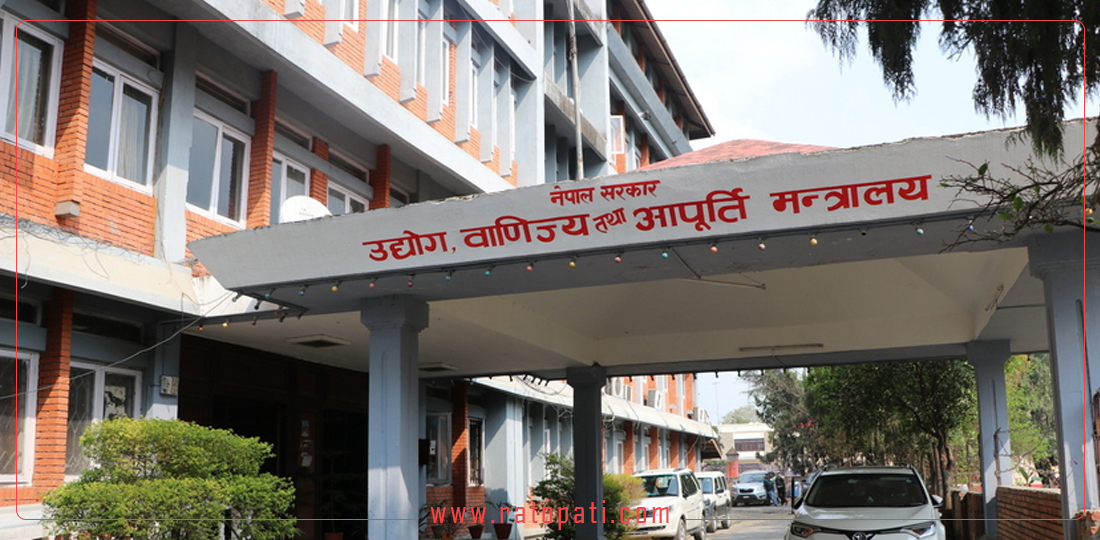
Kathmandu. The government has introduced the 'Working Procedure for Operating Micro-Enterprise Development Program for Poverty Alleviation, 2082' to achieve national goals of inclusive development and poverty reduction.
Approved by the Ministry of Industry, Commerce and Supplies, this procedure aims ambitiously to bring positive changes to the lives of millions of Nepalis through the development and promotion of micro-enterprises nationwide.
Issued using the authority granted under Sub-section 4 of Section 65 of the Economic Procedure and Financial Responsibility Act, 2076, the procedure empowers local levels with a significant role in the management and effective implementation of the program, aligning with the federal structure, the Ministry stated. This procedure is expected not only to reduce poverty but also to lay the foundation for a self-reliant and sustainable economy by promoting domestic production.
The Micro-Enterprise Development Program in Nepal began in the year 2053 BS (1998 AD), contributing significantly to poverty alleviation. Adapting to the changing socio-economic landscape, the implementation of federalism, and the new legal framework, this 2082 procedure appears to incorporate past experiences and learnings. It seeks to continue the positive aspects of previous procedures while addressing new needs and challenges. Given the current context of rising unemployment, dependence on foreign employment, and an import-oriented economy, the need for such programs promoting domestic production and self-employment has become even more pressing.
Main Objectives and Inclusive Target Group Focus
The core objective of the procedure is to assist in poverty alleviation through the development and promotion of micro-enterprises. To achieve this, the goal is to strengthen the economic condition of backward communities by creating an entrepreneurial environment in rural and urban areas. The program prioritizes economically and socially disadvantaged groups in society.
Facilitation will be provided to connect entrepreneurs with cooperatives, banks, and microfinance institutions for easy access to concessional loans and other financial services. The procedure emphasizes establishing relationships with financial institutions to make entrepreneurs self-reliant, rather than providing direct cash grants. This will also support financial literacy and risk management.
Opportunities for self-employment will be created for the target groups, including those living below the poverty line and extremely poor families, by connecting them with skill development, technology, and markets, which will directly improve their daily lives. Furthermore, returning migrant workers who are unemployed, as well as unemployed youth within the country, will be attracted to entrepreneurship, channeling their labor, skills, and capital towards nation-building. The program will also cover entrepreneurs lacking capital and individuals or groups wishing to start new ventures with market potential.
This procedure clearly stipulates high priority for women, Dalits, indigenous nationalities, Muslims, Tharus, marginalized groups, backward classes, persons with disabilities, and gender and technical minority communities. It is mentioned that a mandatory provision requiring at least 50 percent of the target group to be from extremely poor families will make the program more inclusive and target-oriented.
What Services and Facilities are Included?
The procedure envisions integrated and comprehensive services required by micro-entrepreneurs, from enterprise establishment to marketing. This includes entrepreneurship development training, skill development and technology transfer, facilitation of financial access, marketing support, and the establishment of common facility centers.
Training will be provided on essential basic knowledge, managerial skills, and business plan development necessary for starting and managing a business. This will provide entrepreneurs with the theoretical and practical knowledge required for business sustainability.
Modernization of appropriate traditional skills and access to new and advanced technologies will be ensured for entrepreneurs, helping to increase production quality, quantity, and competitiveness. A concept of cost-sharing will be adopted for technology transfer, where the entrepreneur will bear at least 20 percent of the cost, while the remaining support will be mobilized from development partners or other sources.
For the successful implementation of the program, clear responsibilities and roles are assigned to the federal, provincial, and local levels. The Ministry of Industry, Commerce and Supplies will play the central role in policy formulation, program promotion, coordination, and overall monitoring. Provincial ministries will coordinate provincial-level policies, budget management, and program implementation.
Facilitation will be provided to connect entrepreneurs with cooperatives, banks, and microfinance institutions for easy access to concessional loans and other financial services. The procedure emphasizes establishing relationships with financial institutions to make entrepreneurs self-reliant, rather than providing direct cash grants. This will also support financial literacy and risk management.
Support will be provided for market research, product development, branding, packaging, participation in trade fairs, and the establishment of sales outlets to promote produced goods and services in national and international markets. This will help entrepreneurs succeed in a competitive market.
Emphasis has been placed on establishing and operating facility centers with necessary common infrastructure and equipment to reduce production costs and improve quality for entrepreneurs. This will reduce costs as small entrepreneurs will not have to purchase expensive equipment individually.
Budget Arrangement and Resource Mobilization
The procedure also clarifies the budget arrangement for program operation. It is mentioned that the budget required for the program will be mobilized from funds allocated by the federal government, conditional and unconditional grants received from the provincial government, and the local level's own internal resources. Furthermore, support received from other government agencies and development partners will also be utilized in the program. Ten percent of the total program budget is allocated to facilitation activities for access to financial services, which is expected to help entrepreneurs reach loans.
Implementation Structure and Monitoring Mechanism
Clear responsibilities and roles are assigned to the federal, provincial, and local levels for the successful implementation of the program. The Ministry of Industry, Commerce and Supplies will play the central role in policy formulation, program promotion, coordination, and overall monitoring. Provincial ministries will coordinate provincial-level policies, budget management, and program implementation.
Enterprise Development Committees will be formed at the local level, chaired by the head of the local level. These committees will play a significant role in identifying the target group, project preparation, implementation, and direct monitoring. In addition, coordination committees at the ministry level and various other mechanisms will remain active for regular monitoring, evaluation, and necessary improvements of the program. The procedure specifies clear criteria for regular reporting and evaluation of the program's progress, physical, and financial status, ensuring transparency and accountability.
The procedure also places special emphasis on mitigating financial risks during program operation. It mentions that various measures will be adopted to minimize risks while maintaining program development, economic, financial good governance, and credibility. Provisions have been made to comply with public procurement laws, control misuse of funds, and discourage irregularities.
Furthermore, a grievance management mechanism has been established to address any complaints related to the program appropriately and in a timely manner.
It is believed that this procedure will significantly contribute to achieving national poverty alleviation goals, creating employment by developing micro-enterprises in rural and urban areas, and ultimately laying the foundation for a self-reliant and prosperous Nepal. Its successful implementation is expected to have a positive impact on Nepal's overall economic development.
This specific news has been automatically translated by AI. As a result, there may be some inaccuracies or language errors.