National Human Rights Commission Submits Report on 'Genji' Protest Crackdown

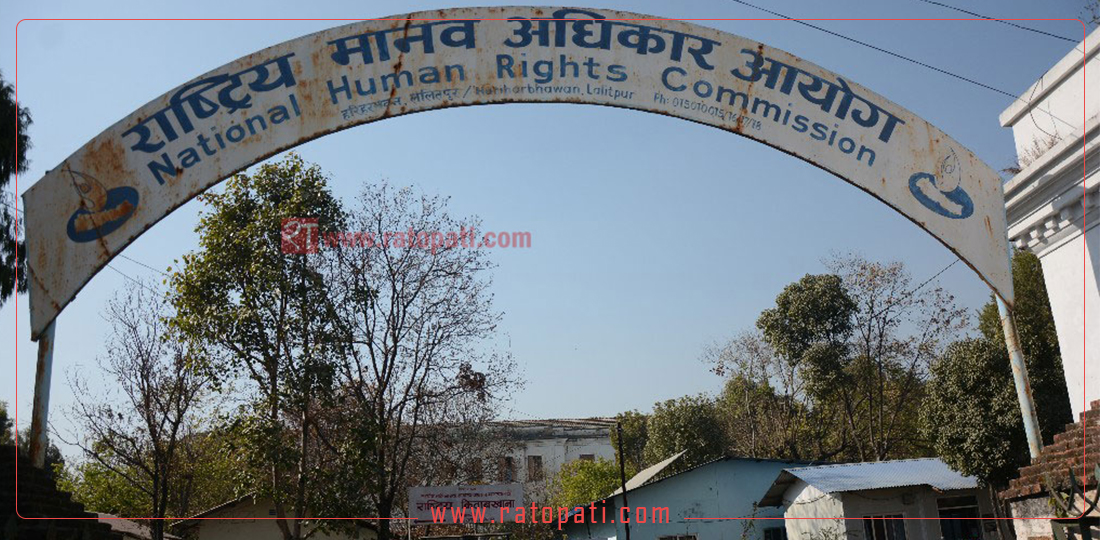
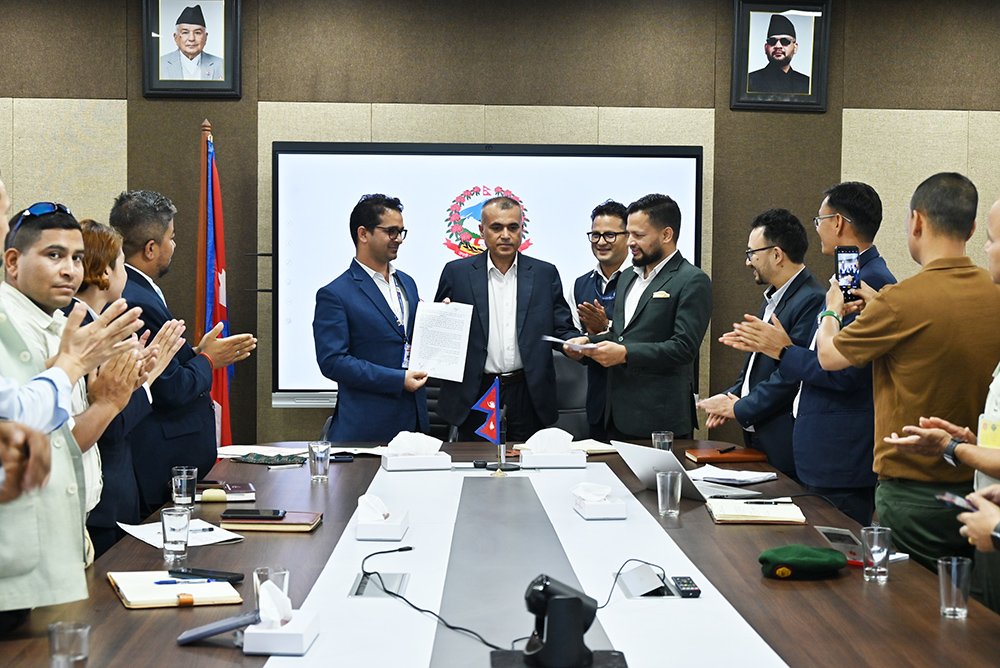
The investigation committee formed to probe the crackdown and damages related to the 'Genji' protests held on Bhadra 23 and 24 submitted its report to the Chairman of the National Human Rights Commission, Tap Bahadur Magar, on Friday.
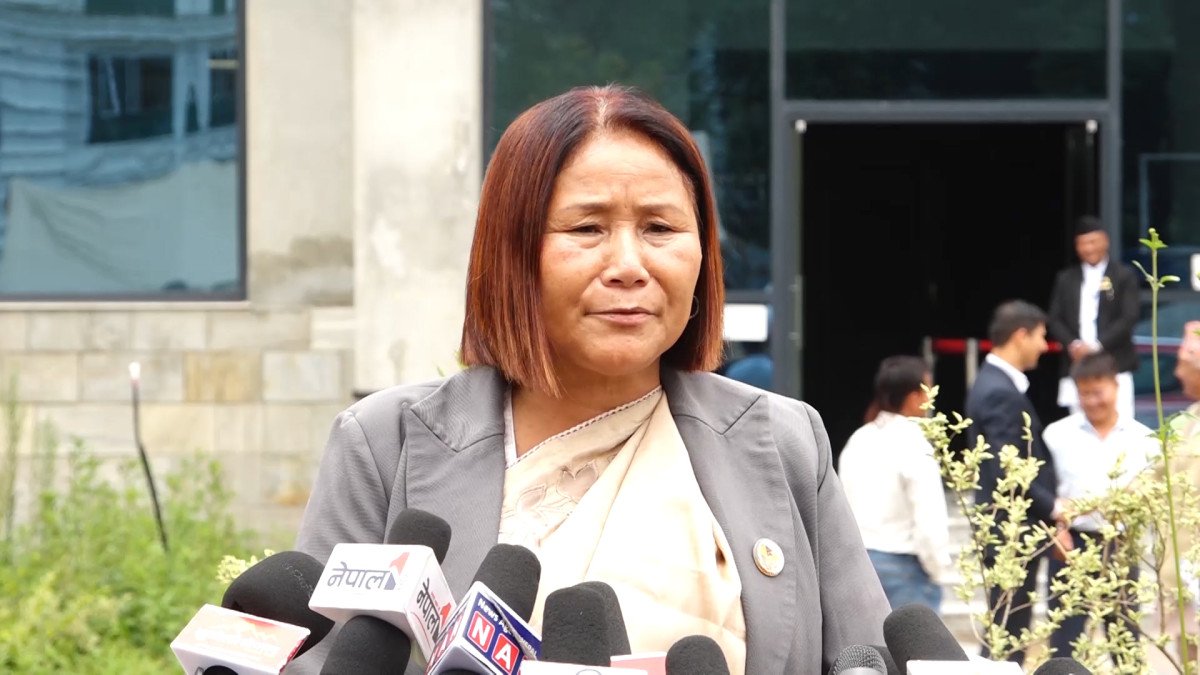
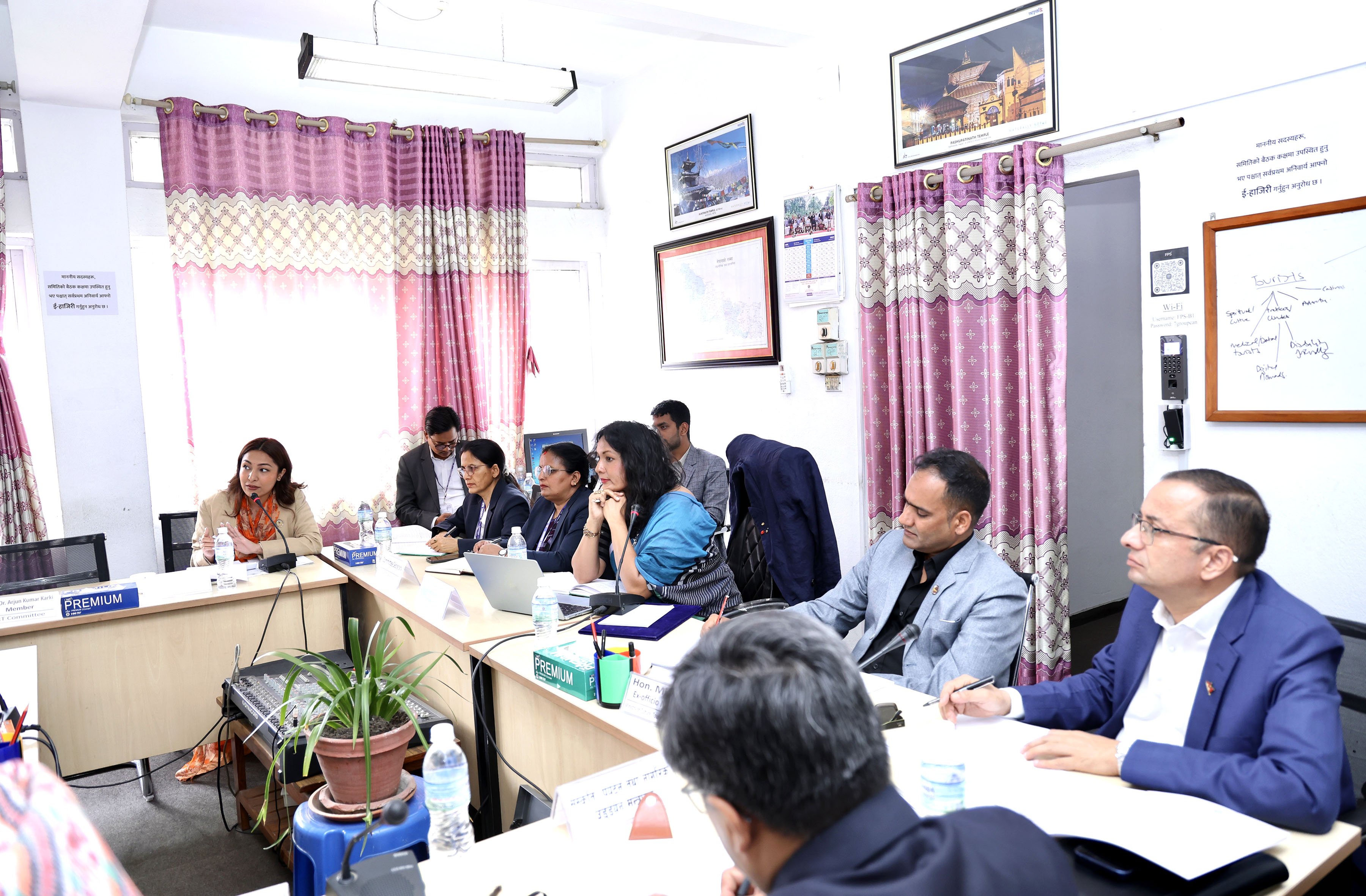
The Commission had initiated the investigation immediately on Bhadra 24 by forming an inquiry team led by Commission member Lili Thapa. The Commission has divided its investigation into four areas.
The investigation focused on human rights violations during the 'Genji' protests, the use of force (crackdown) by the police during the protest on Bhadra 23, transparency and accountability, and impunity. Although the Commission's investigation committee has submitted the report, it has not yet been made public.
After forming the investigation committee, the Commission recorded statements from then-Prime Minister KP Sharma Oli, then-Home Minister Ramesh Lekhak, heads of security agencies, and then-Kathmandu Metropolitan City Mayor Balen Shah (Balen), who were leading the government during the 'Genji' protests on Bhadra 23 and 24.
According to the Commission, the investigation focused on the crackdown and human rights violations in the incident of Bhadra 23, while the report for the incident on Bhadra 24 was prepared focusing on accountability and impunity. The Commission conducted studies through its mechanisms in Kathmandu and various districts. The Commission questioned security personnel deployed in the field on Bhadra 23 and 24 through the District Security Council. The Commission also sought details from the Nepali Army.
The Commission had made public a brief report of its monitoring during the 'Genji' protests on Ashoj 10. That report concluded that the government's failure to assess potential causes before the incident was a weakness. The report stated, 'Although the demonstration was peaceful on the morning of the first day, the incident turned violent after midday with incidents of arson and the death of some protestors due to police firing,' and 'It was found during monitoring that indiscriminate arson and vandalism occurred on the second day due to the death of protestors from security force firing on the first day.'
The Commission directed the government to identify the causes of such violent incidents and create an environment where they do not recur in the future. The Commission had started its work by forming an investigation committee under the chairmanship of Commission member Dr. Lili Thapa on the day of the 'Genji' protests. On Bhadra 24, the Commission issued a press release demanding an end to killings in the name of law and order and informed about the formation of the investigation team.
The Commission's statement that day read, 'Instead of addressing the dissenting voices raised by the new generation in time, the government took them lightly, and the irresponsible statements made by responsible officials to suppress such voices, and the act of security personnel using excessive force, even taking the lives of innocent children and youth, cannot be accepted in any way. The Commission's preliminary monitoring showed that such an incident constitutes a serious violation of fundamental rights guaranteed by the Constitution of Nepal and human rights ensured by international human rights law.'
This specific news has been automatically translated by AI. As a result, there may be some inaccuracies or language errors.
_iL3K2wYemS.jpg)