Kathmandu Metropolitan City Prepares for Declaration as Beggar-Free Zone, Discusses Post-Declaration Strategy

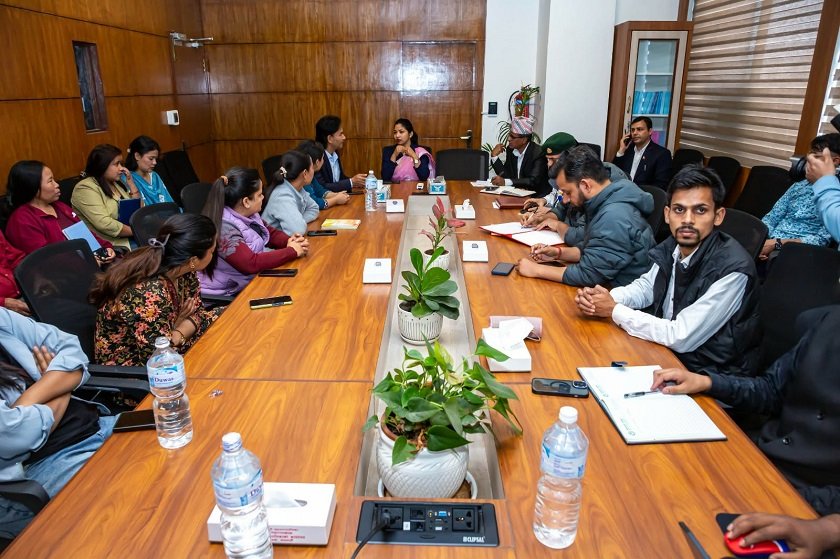
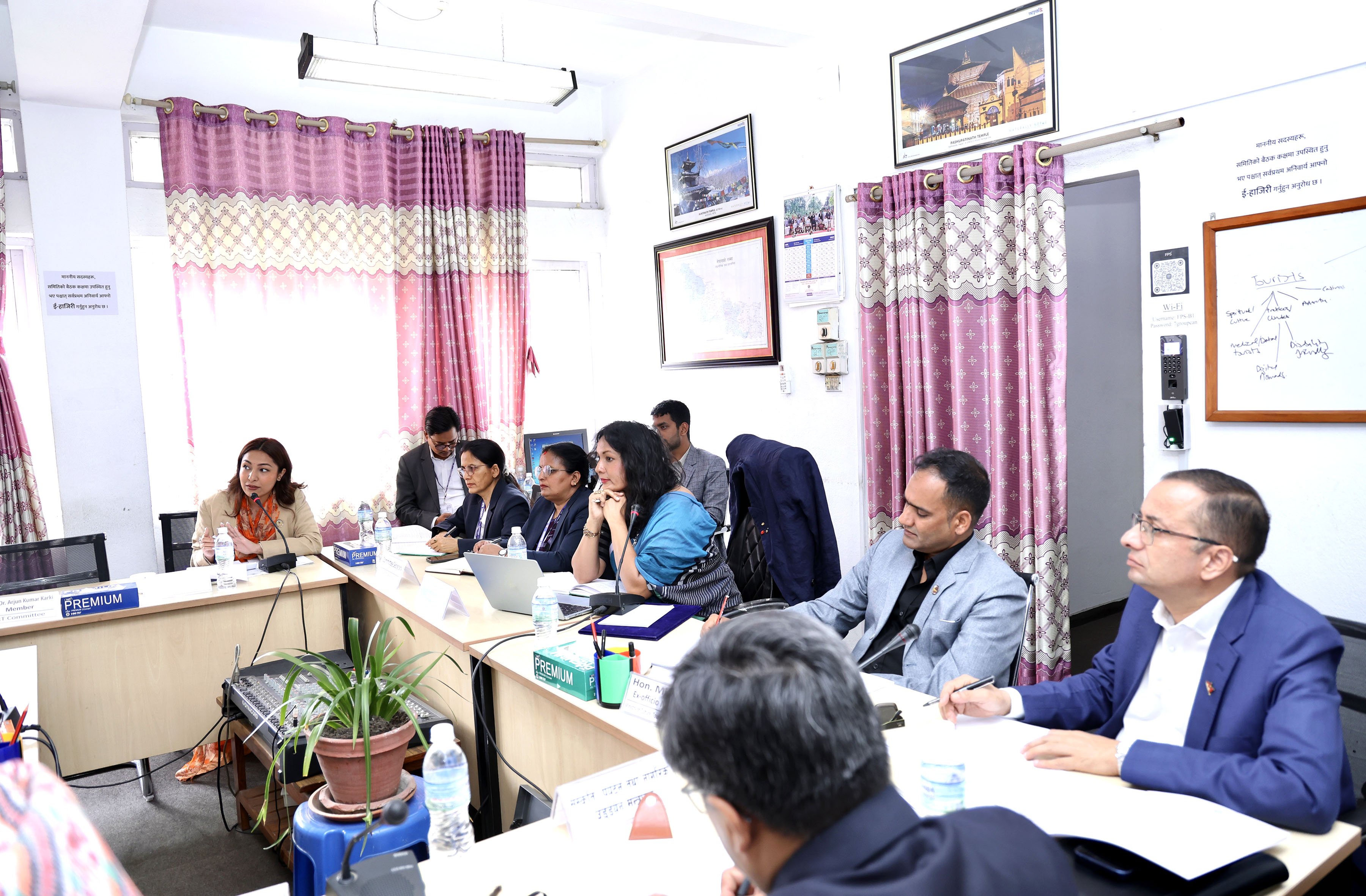
Discussions were held regarding the preparation for declaring the geographical area of Kathmandu Metropolitan City (KMC) as a zone free from dependent street population, and the institutional and social arrangements following the declaration.
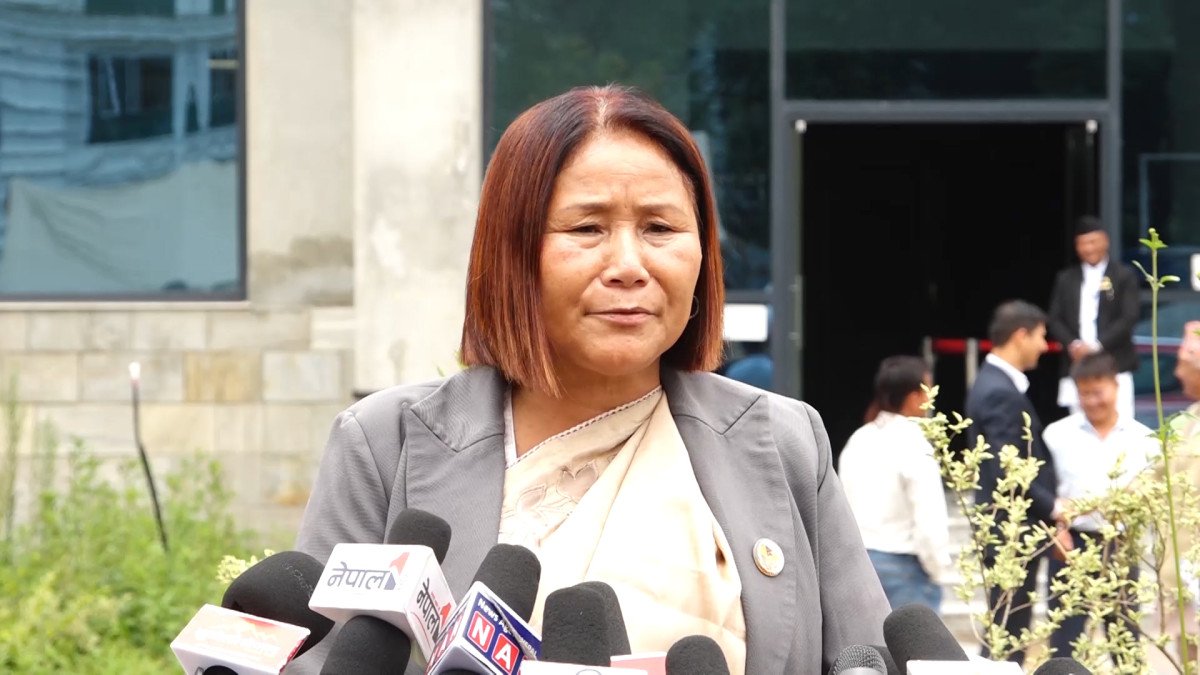
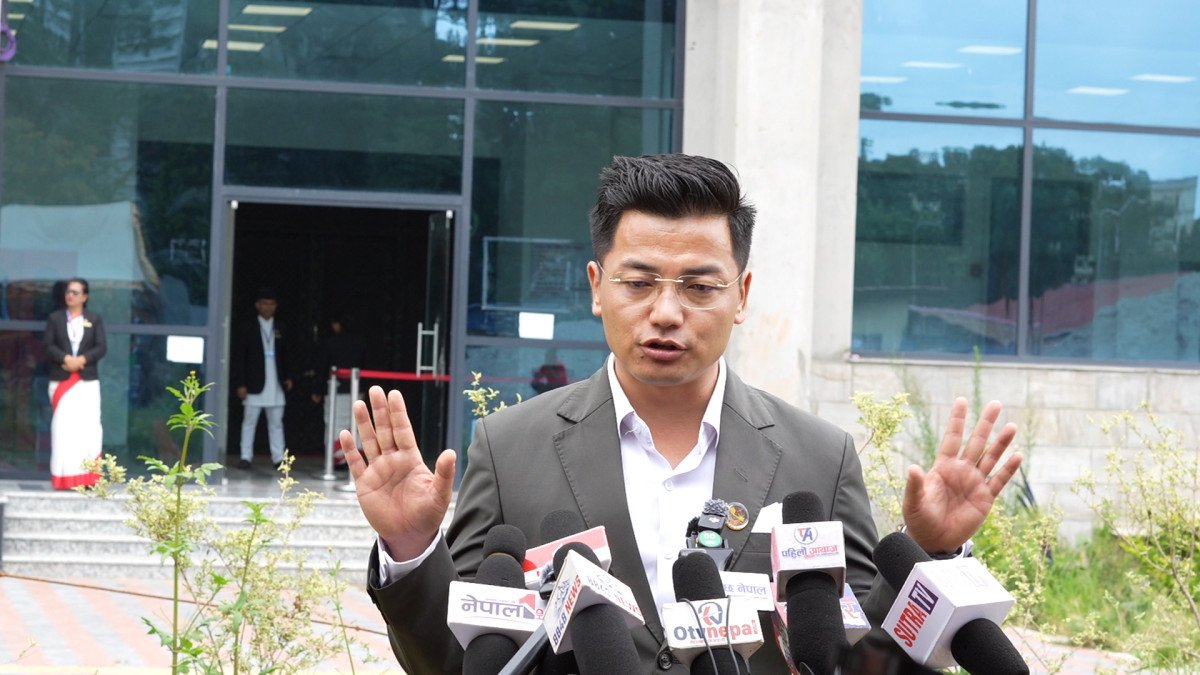
The meeting was held on Tuesday under the chairmanship of Acting Mayor Sunita Dangol of the Metropolitan City with officials from the Human Service Ashram. During the discussion, Acting Mayor Dangol spoke about the situation before the declaration and the tasks required afterward, noting that the journey toward the goal is positive.
“Making the declaration might be easy. However, keeping the achievements in place presents many challenges. The main task is to prepare the system and readiness to face those challenges. When preparations begin, it is necessary to ensure not only the declaration but also the activation of legal, administrative, and practical aspects to make it sustainable, along with coordination and facilitation,”
During the discussion, Samikshya Niroula, Chief of the Social Development Department, emphasized the need to formulate programs that preserve the current achievements. Similarly, Bishnu Prasad Joshi, Chief of the Metropolitan Police Force, mentioned that the process of rescuing dependent people from the streets and taking them to the ashram is still ongoing.
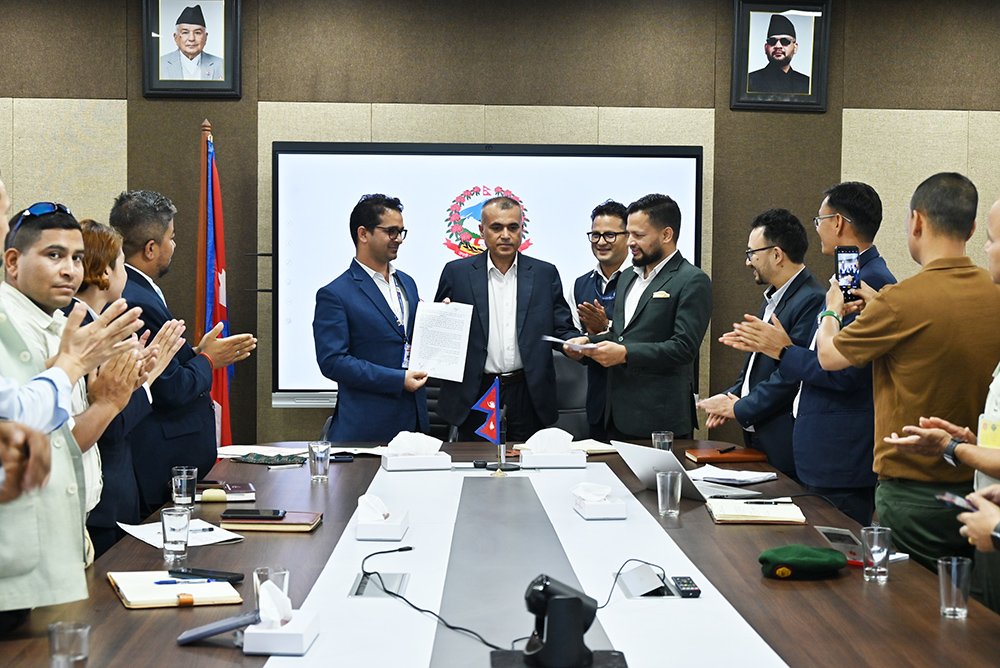
The Metropolitan City began the work of managing dependent street population after signing an agreement with the Human Service Ashram on Mangsir 1, 2074 BS. According to Ashram Chairman Ramji Adhikari, 2,919 dependent people from within the Metropolitan City have been rescued so far. Of those rescued, 315 have died. 713 have been reunited with their families, and 336 have been reintegrated into the community. Currently, 268 individuals rescued are under the protection of the Ashram.
Community reintegration refers to the situation of individuals who do not have a family but wish to return to society by earning a living, stating they will not beg on the streets again, under the supervision of elected representatives or the police.
The Metropolitan City has provided NPR 28,473,237 to the Ashram. It has provided one vehicle necessary for rescue operations. It coordinates in the identification, recommendation, and management of dependent people. Elected representatives, administrative staff, and the Metropolitan Police Force are regularly active in street service, registration, and rescue operations.
After the city is declared free from street population, a high-level task force and focal persons are required to institutionalize and sustain the achievements. The discussion covered aspects such as such a mechanism, capacity building of the Ashram and its manpower, joint rescue teams and regular monitoring, free medical treatment, humanity promotion programs at the community level, interaction and awareness programs, and collective commitment.
According to Chairman Adhikari, the Rani Ban branch can manage more than 250 dependents rescued from the streets of Kathmandu. The Samakhusi branch can manage more than 50, the Rani Ban branch more than 100, and the proposed Chundevi branch, Dhunibesi branch, and Gajuri Rural Municipality each have a management capacity of more than 50 people.
Chapter 3 of the Local Government Operation Act 2074 BS mentions the operation, management, monitoring, and regulation of rehabilitation centers for street children, orphans, the helpless, the disabled, and mentally unbalanced individuals under the duties and responsibilities of rural municipalities and municipalities.
For the sustainable implementation of this provision, policy and institutional arrangements, scientific record-keeping systems for the management of dependent people and incidents, activation of mechanisms for rescue, rehabilitation, and reintegration including health and mental counseling, and a secure financial plan for sustainability are necessary.
This, along with skill development, entrepreneurship, and proper protection of vulnerable communities, guarantees law and human rights.
This specific news has been automatically translated by AI. As a result, there may be some inaccuracies or language errors.
_iL3K2wYemS.jpg)