Iran Asserts Political Structure Remains Strong Despite Assassination of Top Security Official
Tehran. Amid escalating conflict in West Asia, Iran has asserted that its political structure remains robust. Responding to the situation arising after the killing of top security official Ali Larijani in an Israeli strike, Iranian Foreign Minister Abbas Araghchi clarified that the country's system of governance does not depend on any single individual.
‘I don't know why the Americans and Israelis are failing to understand that: The Islamic Republic of Iran is based on a strong and institutionalized structure. There are established political, economic, and social institutions here that keep the system stable. The presence or absence of any single person does not have a decisive impact on the system,’ he said in an interview with Al Jazeera.
He specifically cited the incident where Iran's Supreme Leader Ayatollah Ali Khamenei was killed in a joint US-Israeli attack on the first day of the war as an example. ‘We lost the most important leader, but the system immediately moved forward and continuity of leadership was maintained,’ he said.
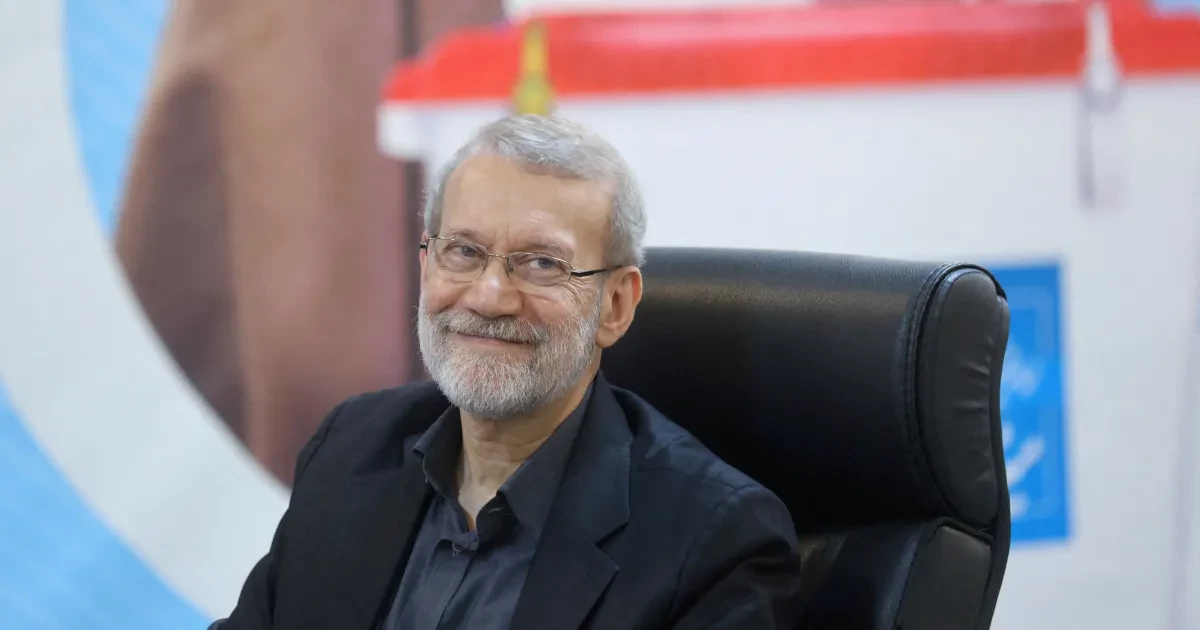
The slain Larijani was the Secretary of Iran's Supreme National Security Council. He was considered highly influential in the country's security and strategic decisions. He was not only a close aide to the late leader Khamenei but also maintained close ties with Khamenei's second son, Mojtaba Khamenei.
His assassination is considered the biggest blow to the Iranian leadership in about three weeks since the war began. Basij Chief Gholamreza Soleimani was also killed in the same attack. The Basij is a paramilitary organization that plays a key role in Iran's internal security and suppression of dissent, operating under the Islamic Revolutionary Guard Corps (IRGC).
According to analysts, Israel has adopted a policy of targeting the top leadership of opposing sides as part of its security strategy. According to Marwan Bishara, such a practice differs from the rules of conventional warfare. He said, ‘In war, military structures are often attacked, but targeting the political leadership from the outset is not common.’ However, he stated that because Iran's institutional structure is strong, the killing of one or a few leaders will not immediately destroy the system. But he warned that such incidents could bring about qualitative changes in the structure in the long term.
Foreign Minister Araghchi held the United States primarily responsible for the escalating conflict. ‘We did not start this war. The US is the initiator, and it must be held responsible for all its human and economic consequences,’ he said. Iran also clarified that it would continue to take necessary steps to protect its defense and sovereignty. Furthermore, he claimed that the system would maintain continuity even if other leaders were killed.
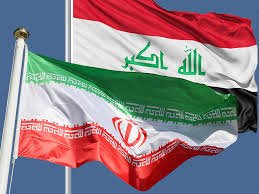
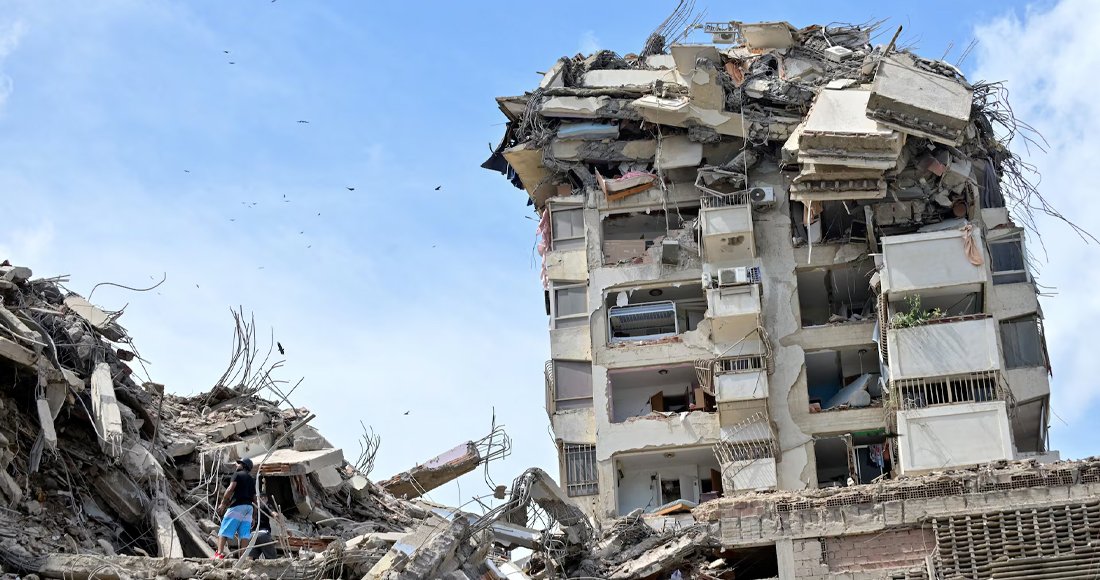
Currently, the conflict between Iran, Israel, and the US has created serious instability in the Middle East. The situation is becoming more complex due to continuous attacks, targeted killings, and retaliatory actions. According to experts, if such attacks continue, it could have long-term effects not only on Iran's internal structure but also on overall regional security, energy supply, and international relations.
This specific news has been automatically translated by AI. As a result, there may be some inaccuracies or language errors.