Koshi Province Government Reports Challenging Fiscal Health Amid Low Revenue Collection and Spending


Biratnagar. The Koshi Province government, while publicizing the mid-term review report for the current fiscal year 2082/83 budget implementation, has indicated that the province's financial condition is challenging.
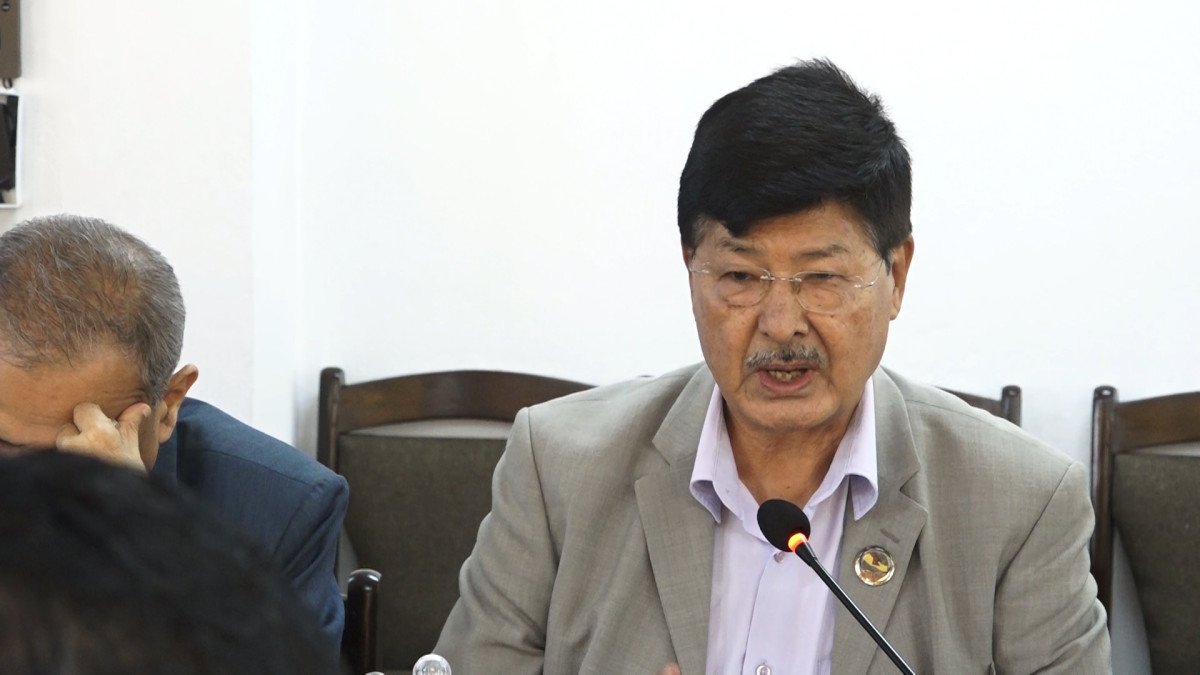
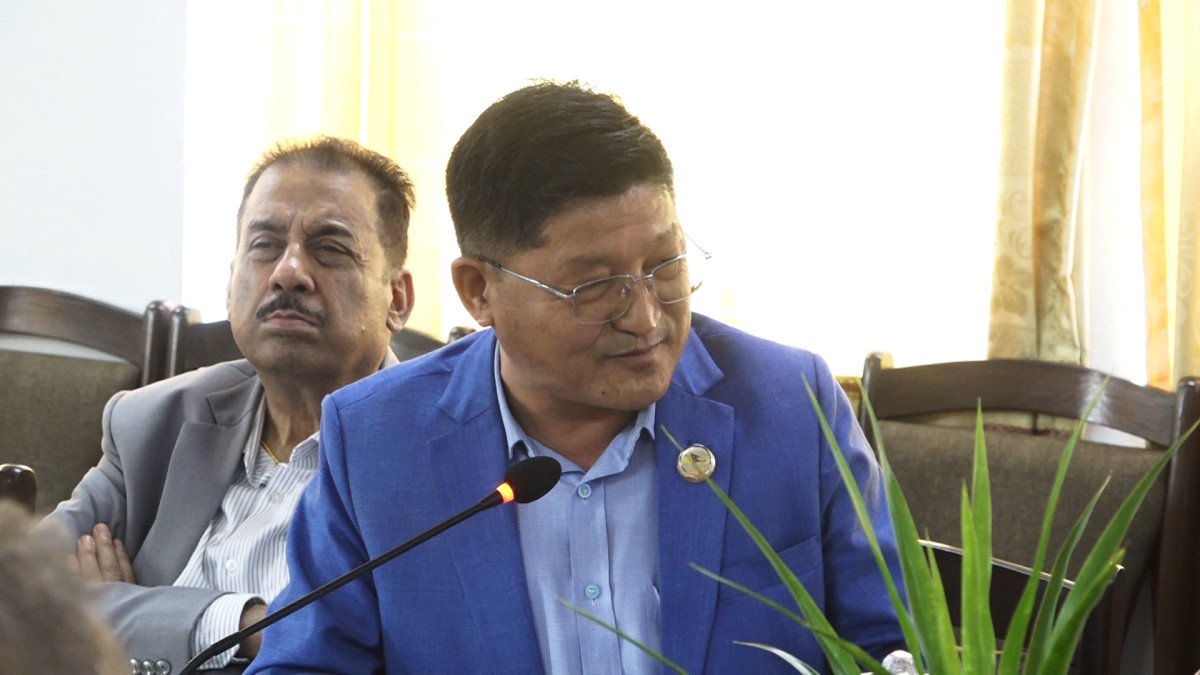
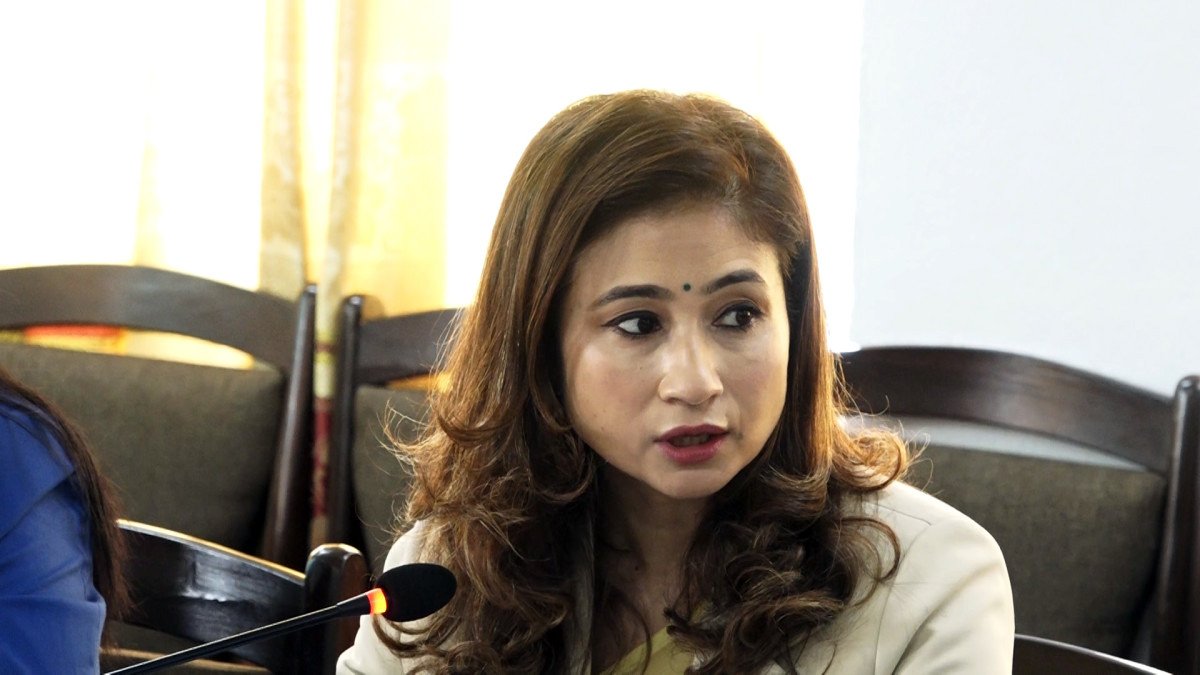
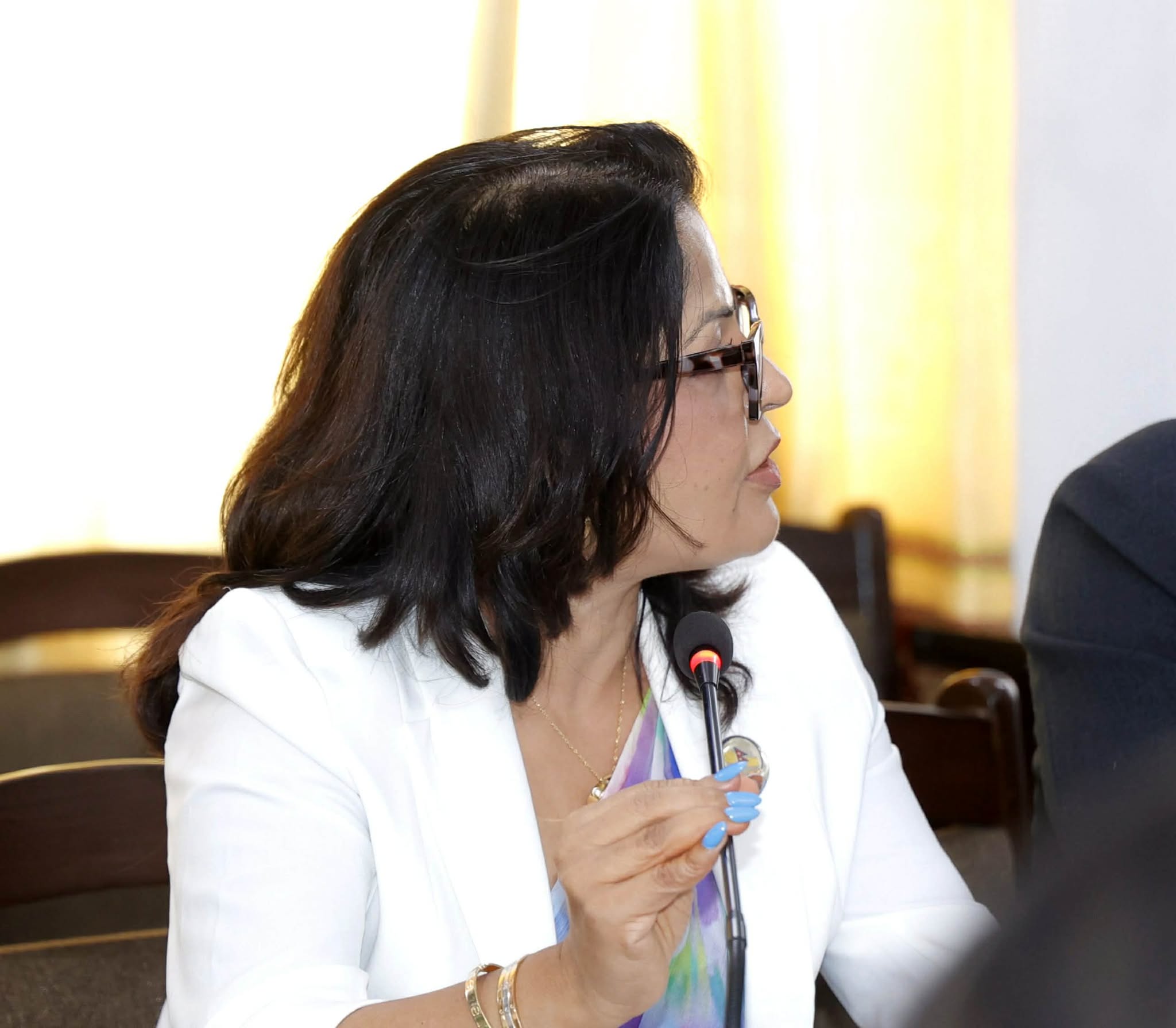
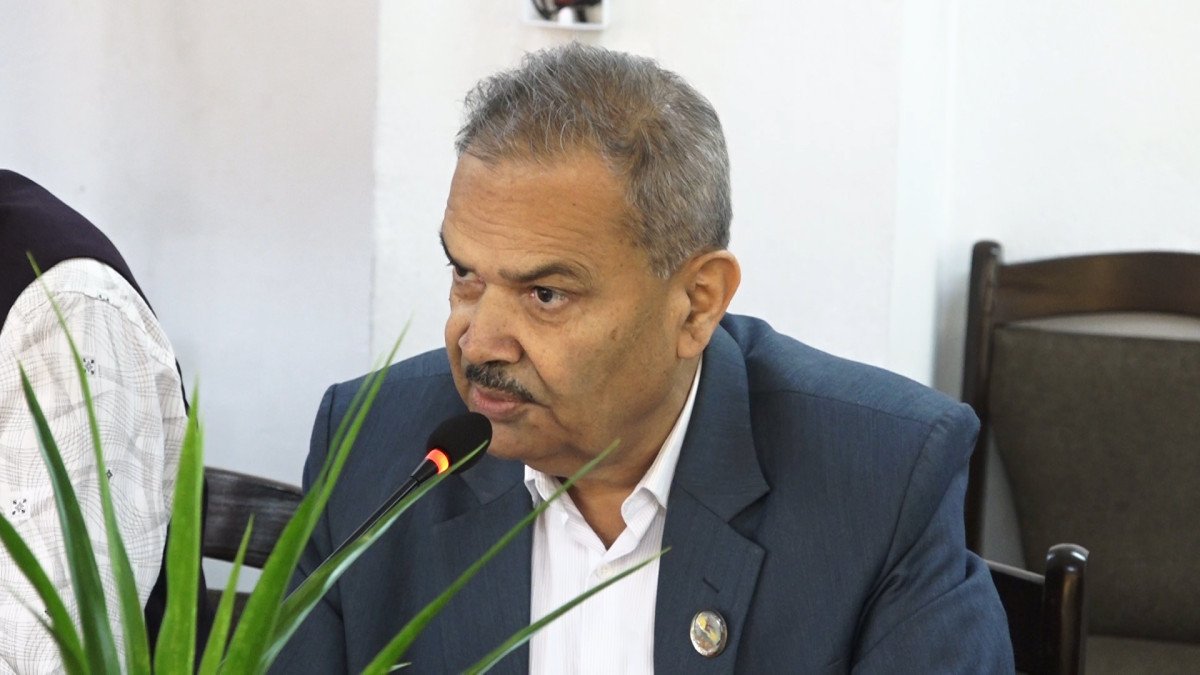
According to data released during the mid-term progress review program organized by the Ministry of Economic Affairs and Planning in Biratnagar on Wednesday, the provincial government has neither met its revenue collection targets nor spent the allocated development budget.
The overall budget expenditure of the province appears extremely low during the half-year period, and the decline in internal revenue has created a mandatory situation for the government to revise the size of the budget itself.
Initially, a total budget of NPR 35.8799 billion was allocated for the current fiscal year. However, considering the performance and weak resource acquisition in the first six months, the government has revised this down to NPR 32.4564 billion. This represents a cut of nearly 10 percent compared to the initial budget. The revised budget estimate projects a contraction in both revenue sharing received from the federal government and internal revenue. Specifically, the budget size has been shrunk because the shareable grant received by the province is projected to be cut by about 9 percent due to the federal government lowering its revenue collection target.
The status of the province's internal revenue collection this time appears very disappointing. In the first six months of the current fiscal year, the province's internal revenue showed a negative growth of 20.33 percent compared to the same period last year. Key sectors such as vehicle tax, real estate registration fees, and transport sector income have not progressed as targeted. Against an annual target of NPR 1.84 billion for vehicle tax, only NPR 577.4 million was collected by the end of Poush. Similarly, real estate registration fees are also significantly lower than the target. The main reason cited for this revenue decline is the physical damage and disruption to service delivery caused by the 'Gen Z' protests in Bhadra month at the transport and land revenue offices. Furthermore, the delay by local levels in distributing the 'Dahattar Bahattar' fees and entertainment tax has also put pressure on the provincial treasury.
Analyzing the expenditure side, the status of capital expenditure, directly linked to development construction, appears even more dismal. As of the end of Poush, a total capital budget of NPR 17.1065 billion was allocated, but only NPR 1.7036 billion has been spent, which is only 9.96 percent of the allocated budget. This marks a decline of about 33 percent in capital expenditure compared to the last fiscal year.
This confirms that the pace of major infrastructure projects operating in the province is extremely slow. On the other hand, the status of current expenditure is 19.30 percent, which is 39.89 percent lower than last year. Overall, total expenditure as of the end of Poush is limited to 16.84 percent of the allocation. This year's expenditure is 31.09 percent less than the mid-term expenditure of last year.
Looking at the ministry-wise expenditure details, the performance of important ministries in Koshi Province is not satisfactory. The Ministry of Physical Infrastructure Development, which has the largest budget, has spent only 10.29 percent out of its NPR 10.63 billion budget. Similarly, the Ministry of Health has spent 23.19 percent, the Ministry of Social Development 26.59 percent, and the Ministry of Industry, Agriculture, and Cooperatives 19.07 percent.
Meanwhile, the province government faces signs of a major financial crisis due to the liabilities of multi-year projects. According to the report, the outstanding liability for multi-year projects approved in Koshi Province so far has reached NPR 20.6115 billion.
Of this, road and bridge projects alone account for a liability of over NPR 16.51 billion. The risk of budget shortages for new projects in the coming years has increased due to the tendency to select projects and award multi-year contracts under political pressure without ensuring adequate resources. The ministry noted that contracts awarded without securing resource consent are leading to demands for additional budgets, disrupting the overall fiscal balance.
In terms of financial governance, the backlog of audit objections (Beruj) has piled up in various bodies of the provincial government. Data shows that a total of NPR 5.9069 billion in audit objections remains unsettled. The Ministry of Physical Infrastructure Development has the largest backlog at NPR 1.88 billion, followed by the Ministry of Water Supply, Irrigation, and Energy at NPR 1.26 billion. The large share of objections requiring recovery or regularization indicates serious flaws in the province's accounting system and expenditure process. Although the ministry claims to prioritize settling these objections, progress appears slow.
The government has put forward some corrective strategies for the future. Specifically, a rule has been established requiring the surrender of unspent budgets by Chaitra 15 (mid-March). The government will now adopt a policy of not including projects in the budget that lack prior preparation or are not listed in the project bank.
The ministry is preparing to prioritize payments for the outstanding liabilities of multi-year projects and impose stricter controls on new schemes. Furthermore, emphasis has been placed on the optimal utilization of grants received from the federal government and expanding the scope for internal revenue collection.
This specific news has been automatically translated by AI. As a result, there may be some inaccuracies or language errors.