Controversy Brews Over Proposed Tenure Extension for Two Armed Police Force DIGs


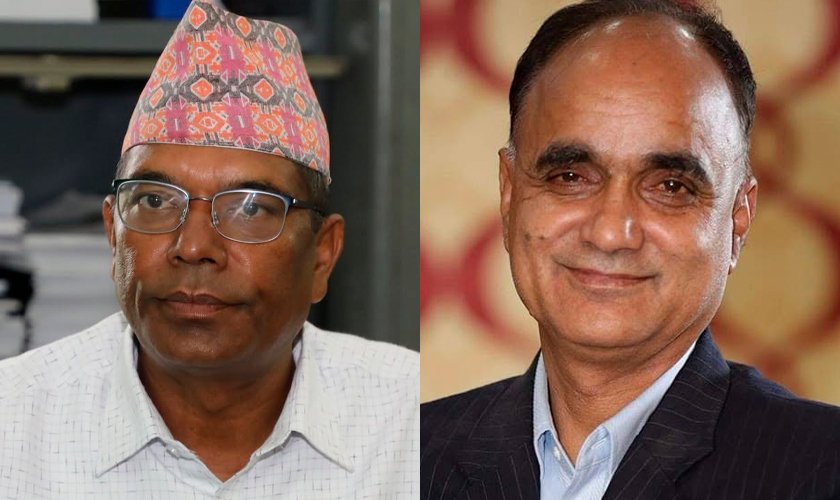
Kathmandu. Maneuvering has begun to extend the tenure of two Deputy Inspectors General (DIGs) of the Armed Police Force (APF). Officials at the Ministry of Home Affairs state that efforts are underway to extend the tenure of DIGs Laxman Bahadur Singh and Pradip Pal, both from the general group.
According to Regulation 56 (C) of the Armed Police Force Regulations, the tenure of a DIG is four years. Under this provision, both DIGs Singh and Pal are due to retire on Chaitra 5, 2082 BS. Laxman Bahadur Singh is currently serving at the Secretariat of the National Security Council, and Pradip Pal is at the Operations Department.
Both individuals initially entered service in the Nepal Police as technical Sub-Inspectors (Computer Operators) on Chaitra 18, 2054 BS, before later joining the Armed Police Force. They were promoted to the rank of DIG.
Having entered through the technical stream and undergone only one month of training, they did not complete the rigorous basic training taken by those entering the general group.
Dissatisfaction is mounting within the APF as there are moves to extend the tenure of individuals who have not even completed the basic training required by the force, especially when Staff College is mandatory to become a DIG. The APF regulations, under sub-regulation (2) of Regulation 56 (C), allow the government to extend the tenure by one year upon the recommendation of the Inspector General (IG). The Armed Police Force has sent a proposal for the tenure extension of both officers to the Ministry of Home Affairs. A high-ranking official at the Home Ministry stated, 'A proposal for tenure extension has arrived; it has not moved forward yet.'
A high-ranking APF official told Ratopati, 'Previously, Praveen Shrestha's tenure extension was not granted, and the Supreme Court later upheld the decision not to extend the tenure.'
There are allegations that the two DIGs, through intermediaries, are pressuring some government officials to get the proposal forwarded to the Council of Ministers.
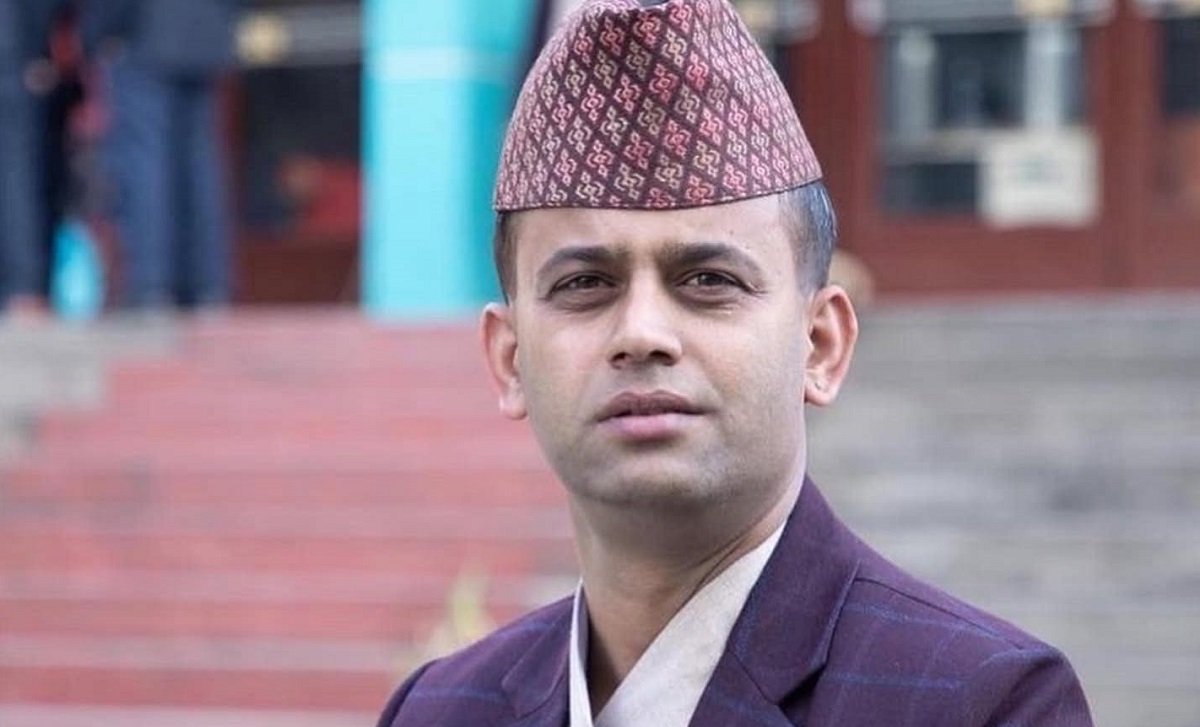
DIG Singh is an officer whose actions during the Tikapur incident were recommended for action by the National Human Rights Commission. Following the violent incident resulting in human loss during the Tharuhat agitation in Sudurpaschim on Bhadra 7, 2072 BS, Singh was recommended for action for failing to attempt to stop the violence. Singh also faced controversy while serving as the chief of the Garimai Battalion in the Bagmati Province for deploying plainclothes personnel.
APF officials state that the provision in the regulations allowing the government to 'extend the tenure' by one year upon the recommendation of the IG in special circumstances is not mandatory. A high-ranking APF official told Ratopati, 'Previously, Praveen Shrestha's tenure extension was not granted, and the Supreme Court later upheld the decision not to extend the tenure.'
APF officials have expressed dissatisfaction over the maneuvering to extend the tenure, arguing that the careers of officers developed as the future leadership of the APF should not be halted.
- What is the impact of tenure extension?
Proposals for tenure extension have also been sent to the Ministry of Home Affairs for Engineer Sandeep Thapa and Dr. Rupak Maharjan, Chief of the Armed Police Hospital. APF officials say that while tenure extension for those from the technical stream may not have a major impact, extending the tenure for those from the general stream will affect the future leadership of the organization.
The batchmates of DIGs Singh and Pal, who came from the technical group, are currently serving as Technical Inspectors in the Nepal Police. If technical officers are granted tenure extension now, they will become contenders for the Special Class positions, while officers who entered the first batch of the Armed Police Force are facing mandatory retirement from the DIG rank.
APF officials have expressed dissatisfaction over the maneuvering to extend the tenure, arguing that the careers of officers developed as the future leadership of the APF should not be halted.
This specific news has been automatically translated by AI. As a result, there may be some inaccuracies or language errors.