Tensions Escalate in Middle East After Assassination of Iran's Supreme Leader in Joint US-Israel Strike

Karachi. Tensions have reached a peak in the Middle East and South Asia following the assassination of Iran's Supreme Leader Ayatollah Ali Khamenei and top military commanders. Khamenei and over 200 others were killed in a joint military operation conducted by the United States and Israel in Iran's capital, Tehran.
In protest against this incident, a violent demonstration took place outside the US Consulate in Karachi, Pakistan. After protesters smashed windows and hurled stones at the consulate, security personnel used tear gas and batons to bring the situation under control.
According to police officer Mohammad Jawad, one protester was killed and several others were injured when security forces opened fire during the clashes. Protesters accused the US and Israel of attempting to destabilize the region.
Khamenei, along with top political advisor Ali Shamkhani and military commander Mohammad Pakpour, were killed in the Tehran attack. In response, Iran has announced it will target US military bases in the Middle East. Iran has warned that it will take strong and decisive revenge for the killing of its top leaders.
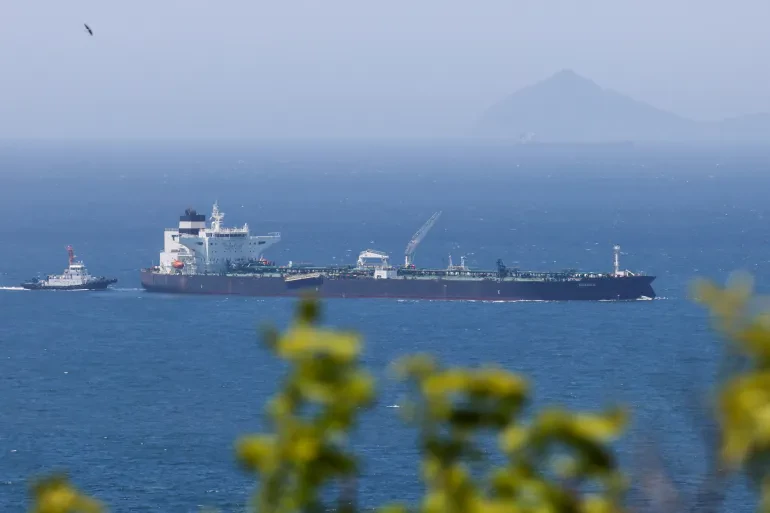
The Iranian Revolutionary Guards have completely shut down the strategically important Strait of Hormuz, through which 20 percent of the world's energy supply passes. A crisis in global fuel supply appears imminent after Iran sent a message that no vessel will be allowed to pass through that narrow passage. Gulf nations have condemned this move by Iran.
This specific news has been automatically translated by AI. As a result, there may be some inaccuracies or language errors.