Dushmantha Chameera: The Resilient Fast Bowler Defying Injuries for Sri Lanka's World Cup Ambitions


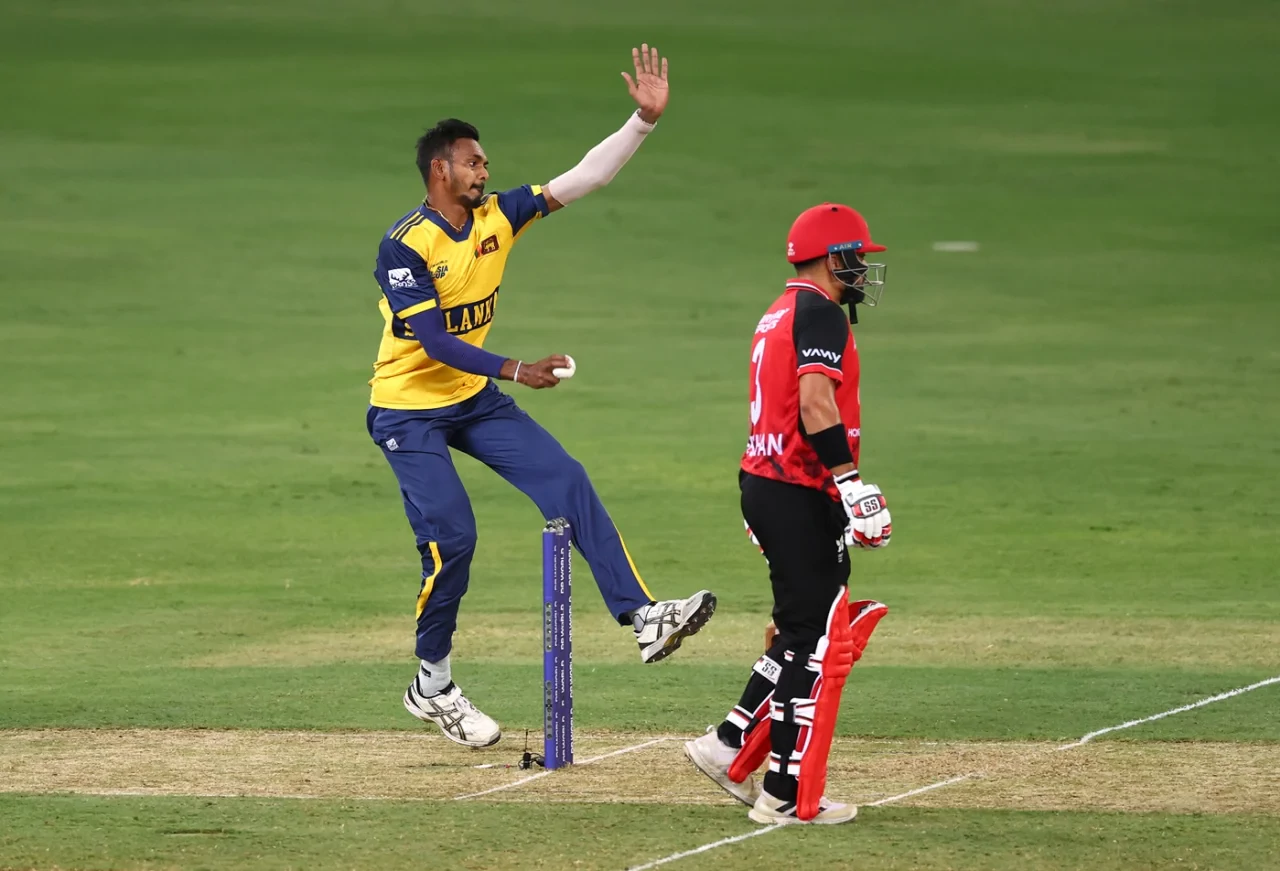
Colombo. That scene at the Pallekele ground was very familiar to Sri Lankan cricket supporters. Perhaps they wished to see this sight many more times over the years: a tall and lean figure, perhaps with a few more muscles than before, running rhythmically towards the crease.
That recognizable chest-out running style, the excellent bowling action as always, and the ball's seam movement was extremely straight and upright, like a student suddenly alerted by the arrival of the headmaster.
There was no long pause before bowling, no slingy action from a 45-degree angle, nor any awkward twist of the elbow. There was no use of any strange or unconventional style to deceive the batter. His bowling style is truly very straightforward and simple: run in, bowl at high speed, and maintain a precise line and length.
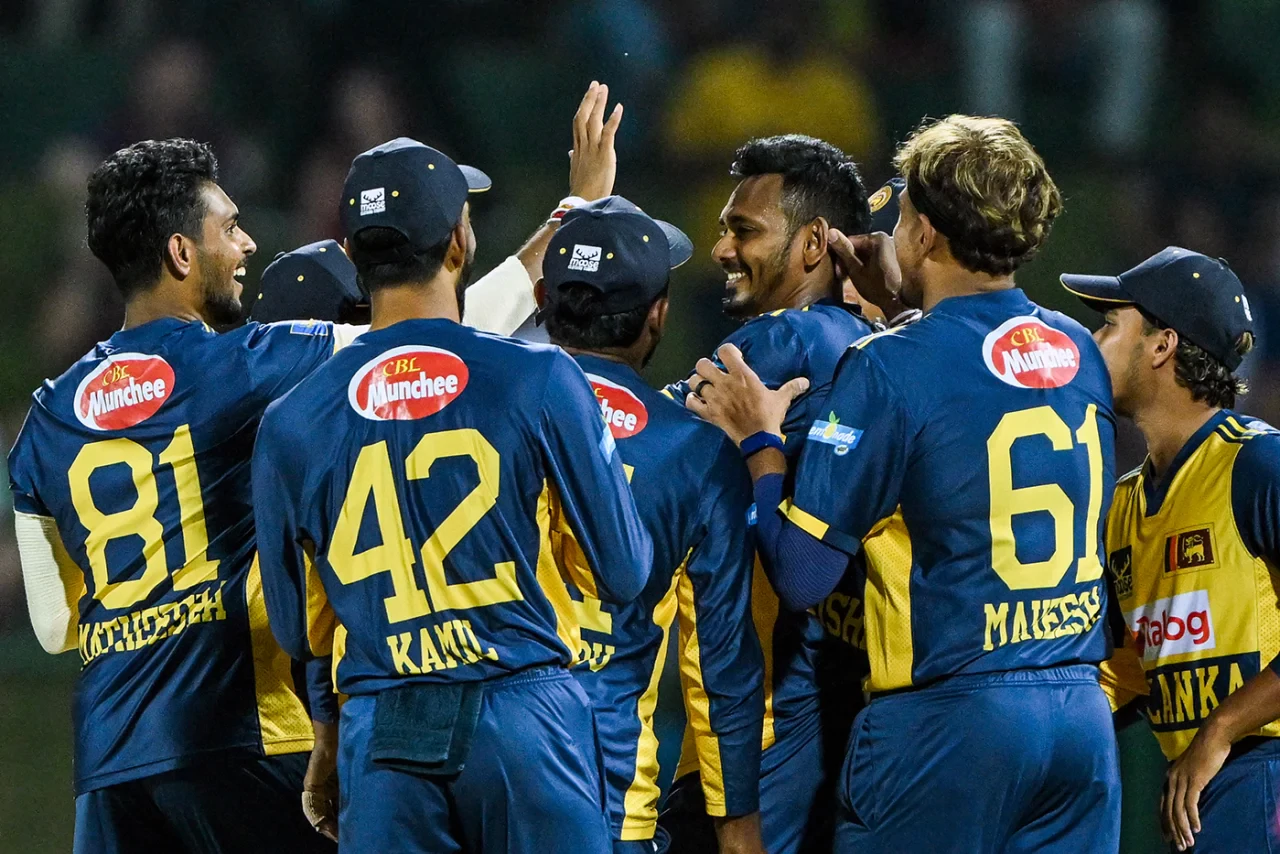
But the result of it is far more dangerous than expected. This ball, which suddenly swung in (in-swing) from a good length, made England's Ben Duckett sweat. Even though the umpire did not give it out, Dushmantha Chameera was completely convinced, and his conviction forced Captain Dasun Shanaka to take a 'review'.
Three red lights flashed quickly on the TV screen with clear evidence: the ball was hitting directly on top of the middle stump. And, after facing just two balls, England lost its first wicket.
About 90 minutes later, Chameera came running in to bowl at high speed again. This time the ball was full and wide, but exactly inside the wide line. Sam Curran tried to hit it over cover, but the ball kissed the hands of the fielder at deep third.
Despite his body constantly betraying him, he returns to the field every time and proves himself to be Sri Lanka's premier fast bowler.
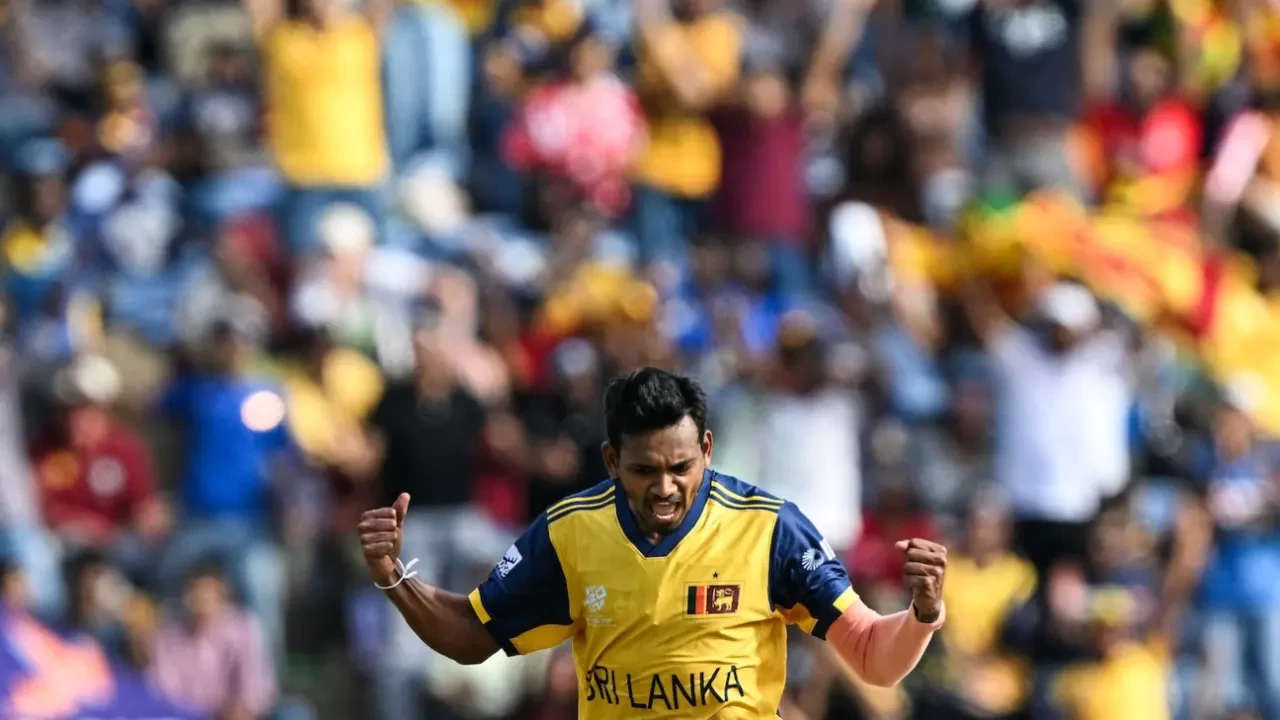
The innings ended, and Sri Lanka was delighted with their excellent performance. Nearly 11 years after debuting in the Sri Lankan jersey, Chameera walked off the field holding the match ball in his hand. He had just completed his first five-wicket haul in T20 Internationals, conceding only 24 runs for 5 wickets.
This excellent spell, one week before the World Cup begins, reminded the world again why, even at 34, he remains Sri Lanka's most lethal fast-bowling weapon. However, behind every such magical moment seen on the field walks the dark shadow of the physiotherapist's table, which has defined much of his career.
And along with it rises an unpleasant question: 'How much greater could he have become if he hadn't been injured?'
Chameera's cricket career story can never be separated from his medical file. From the stress fracture in his lower back in 2016 to the ankle and calf surgeries performed after abandoning the 2022 T20 World Cup due to injury, he has spent more time in hospital rehabilitation rooms than his contemporaries.
Just in July 2024, he was forced out of the crucial series against India due to a respiratory infection, and in the same year, he also faced a thigh injury. But his excellent and consistent performance upon returning from these untimely breaks and injuries is the reason why it seems impossible for Sri Lanka to take the field without Chameera.
He is such a machine for the team that works equally well whenever connected; he is like cricket's T-1000 robot, who, no matter how big the injury or setback in his career, magically reconstructs himself and returns to the field in the same rhythm as if no injury had occurred.
In June 2023, upon returning to the field after a nine-month absence, he took 2 wickets for 18 runs in an ODI against Afghanistan, and immediately took 4 wickets for 63 runs in the next match. Similarly, in July 2025, after being out of action for over a year due to injury, he returned in the series against Bangladesh.
In that series too, he easily found his rhythm, taking 1 wicket for 37 runs and 3 wickets for 51 runs, immediately securing his place as the team's premier fast bowler.
Chameera's recent T20 form provides strong evidence that he never loses his rhythm and pace. Despite a career full of interruptions and injuries, he maintains an excellent strike rate of 18.3 in T20 Internationals.
Since September, after a 20-month break, he has played 20 consecutive T20 matches. During this period, he has taken 34 wickets at an incredible strike rate of just 13.3. This accounts for 385 of his total T20 International wickets. In this sequence, he has been wicketless in only two matches.
Therefore, it is no surprise that his role in the ongoing World Cup is crucial. He led the bowling attack in the important victories against Australia and Oman.
He proved that his natural pace, often above 145 kilometers per hour, has not diminished with age; rather, he has challenged such severe physical injuries and fatigue that could end the career of any other player.
Lately, he has also been compensating for the team's weaknesses through his versatile talent. When Wanindu Hasaranga was injured, Sri Lanka lost a crucial weapon in the middle overs, and Chameera took that responsibility upon his shoulders. In the Super 8 match against England, he was not brought on to bowl until the eighth over to help restrict the run rate in the middle overs.
He has further sharpened his bowling artistry. He is no longer limited only to high speed; he has also mastered attractive slower balls and strong cutters. If the pitch supports him, his leg-cutter turns more than the leg-break of most spinners.
But what is even more impressive is that these skills are not alternatives learned due to declining pace with age: he still pounds the ball forcefully into the pitch and continues to trouble batters with his consistent high speed.
As Sri Lanka moves forward with the goal of reaching the World Cup semi-finals for the first time since 2014, Chameera stands not just as an experienced senior player in the team, but as a surviving warrior.
His body might be battered by injuries and constantly awaiting medical attention, but his indomitable courage, which never accepts defeat, gives living proof that no obstacle or injury in the world is unconquerable. -ESPN Cricinfo
This specific news has been automatically translated by AI. As a result, there may be some inaccuracies or language errors.
_YDrQKoMDSE.jpg)