NASA Prepares for Artemis II Mission to Send Crew Around the Moon Next Month


Florida. The US space agency NASA is in the final stages of preparing to send a crewed spacecraft around the Moon in the first week of next March. This mission, which aims to send humans into lunar orbit for the first time in over 50 years, has been named 'Artemis II'.
Following the successful 'wet dress rehearsal,' which involved fueling the rocket at the Kennedy Space Center in Florida, NASA has set March 6 as the preliminary launch date. A slight delay occurred after a test in early February due to a hydrogen fuel leak, but NASA has stated that all technical issues have now been resolved.
This historic 10-day journey will include three American astronauts, Reid Wiseman, Victor Glover, and Christina Koch, along with one Canadian astronaut, Jeremy Hansen. They will be aboard the Orion capsule atop NASA's massive 98-meter-tall Space Launch System rocket.
These four astronauts will eat, sleep, and work within a space the size of a minivan for 10 days. On the first day of the journey, they will spend time in Earth's orbit and then proceed toward the Moon if all systems function correctly. They will travel to the far side of the Moon that is never visible from Earth.
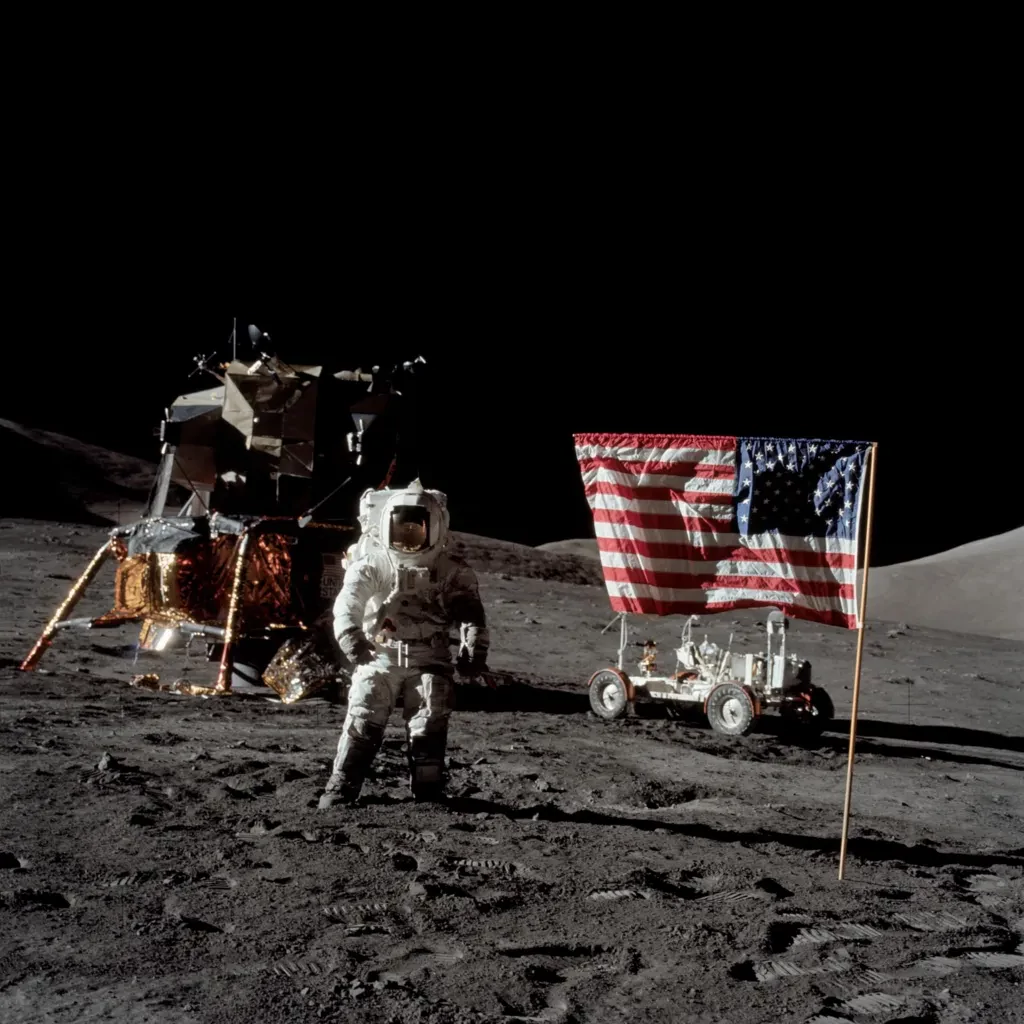
After reaching an altitude between 6,500 and 9,500 kilometers above the lunar surface, the astronauts will study the Moon and take pictures. They will then embark on a four-day return journey before splashing down in the Pacific Ocean.
If this mission is successful, it will pave the way for 'Artemis III,' which will see humans set foot on the lunar surface again. NASA aims to land on the Moon by 2028. This will be the first time humans have been sent to the Moon since the 'Apollo 17' mission in 1972.
Currently, there is a race between the United States and China to reach the Moon. China aims to land on the Moon by 2030, while NASA is accelerating its plans in collaboration with private companies like Elon Musk's SpaceX and Jeff Bezos's Blue Origin.
Both nations aim to land on the Moon's south pole and establish their base camp (lunar base) there. The success of Artemis II is believed to add a new and powerful chapter to the history of space science.
This specific news has been automatically translated by AI. As a result, there may be some inaccuracies or language errors.




_iL3K2wYemS.jpg)