Exploring the Health Benefits and Safe Consumption of Aloe Vera Juice


We have often heard about the health benefits of Aloe Vera, also known as Ghikumari. From improving skin complexion to enhancing the digestive system, many advantages are attributed to it.
This is why people use it extensively. Both Ayurveda and Medical Science consider it an extremely useful medicinal plant.
A study published in 2016 in the International Peer Review Open Access Journal 'Bioscience Biotechnology Research Communication' found that Aloe Vera possesses antimicrobial and antiviral properties.
It has also shown anti-inflammatory effects. Therefore, Aloe Vera can be helpful in healing wounds, sunburns, and repairing skin damage.

In recent years, the trend of drinking Aloe Vera juice has rapidly increased. People are adopting it as a 'natural tonic' to improve digestion, detoxify the body (remove toxins), boost immunity, and enhance skin health.
In this situation, it is important to know if drinking Aloe Vera juice daily is truly safe. Also, what effect does it have on the body?
Let's explore the answers to all these questions related to Aloe Vera juice in detail today. We will also discuss its benefits, correct dosage, method of consumption, and necessary precautions.
What nutrients are present in Aloe Vera?
According to the United States Department of Agriculture (USDA), Aloe Vera contains a large amount of water. It also contains many essential nutrients such as calcium, sodium, and Vitamin C. Aloe Vera juice is generally prepared by cleaning the gel inside its leaves.
What does Aloe Vera juice do in our body?
Aloe Vera juice primarily performs the following functions in our body:
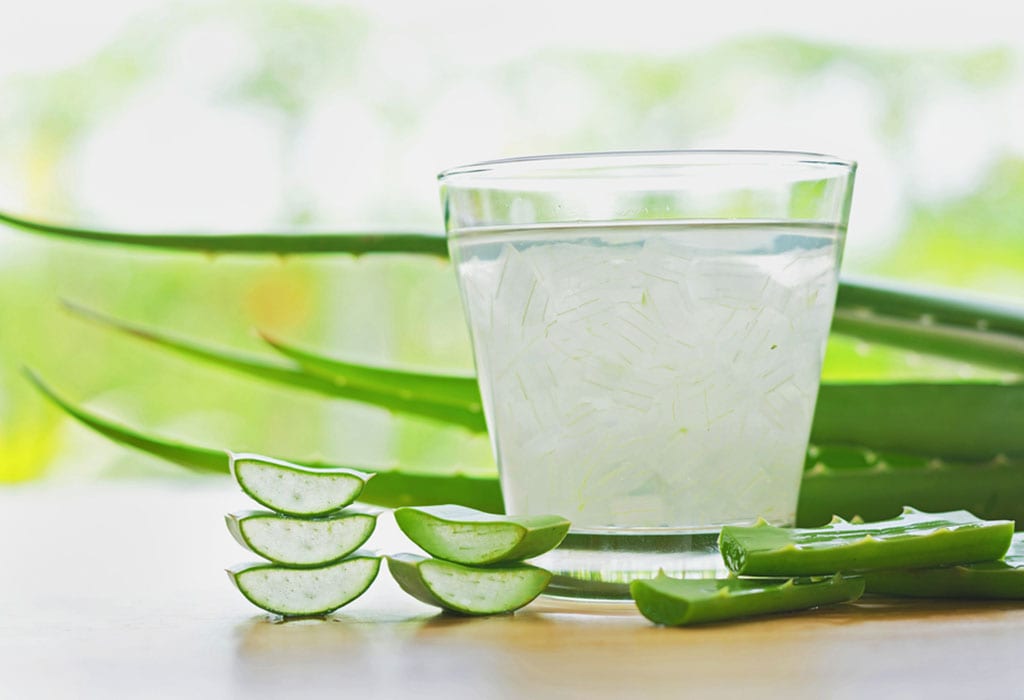
- Aids the digestive system.
- Increases the body's water content (hydration).
- Reduces inflammation in the body.
- Improves gut health.
- Provides relief from issues like constipation, gas, and acidity.
- Natural enzymes present in it improve nutrient absorption.
What are the benefits of drinking Aloe Vera juice daily?
Understand from the points below:
- Aloe Vera juice has a high water content, which helps keep the body hydrated.
- The antioxidants and minerals it contains help boost immunity and reduce oxidative stress.
- Its enzymes and bioactive compounds improve the digestive process.
- It also provides relief in common issues like constipation.
- Since it is low in calories, drinking it does not cause fear of weight gain.
Other health benefits of Aloe Vera juice:
- Boosts immunity.
- Maintains proper digestion.
- Removes constipation.
- Hydrates the body.
- Relieves acidity.
- Maintains good gut health.
- Keeps skin healthy.
- Nourishes hair.
- Helps in absorbing nutrients.
- Reduces inflammation.

What is the correct way to drink Aloe Vera juice?
Pay attention to the following points:
- Always drink Aloe Vera juice in limited quantities.
- Always drink it only after mixing it with water.
- Mixing with water is necessary because the excess 'latex' it contains can cause diarrhea, bloating, and electrolyte imbalance.
- It is best to drink it in the morning on an empty stomach or half an hour before eating. Start with a small amount and observe the body's reaction.
- If you experience stomach pain, diarrhea, or a burning sensation, stop immediately.
- It is advisable to consult a doctor before regular long-term consumption.
Is drinking Aloe Vera juice on an empty stomach more beneficial?
Yes, when taken on an empty stomach, its absorption is better, and it helps activate the digestive system. However, this is not safe for everyone.
Some people may experience stomach pain, diarrhea, or bloating from it. Therefore, consult a doctor first.
How is Aloe Vera juice beneficial for skin and hair?
The antioxidants, Vitamin 'C', and 'E' in Aloe Vera juice can help protect the skin from 'free-radical damage'. It brings a glow to the face.
Its hydrating property supports the skin from within and helps reduce inflammation. It may provide relief from acne and general skin itching.
According to a study published in the 'Journal of Drug Delivery and Therapeutics' in 2018, the bioactive compounds in Aloe Vera help keep the skin soft and healthy. Due to its healing and nourishing properties, it is widely used in the cosmetic industry.
The nutrients found in Aloe Vera can help improve scalp health, reduce dandruff, and strengthen hair. However, a balanced diet and proper hair care are also essential for good results.
What is a safe daily intake amount of Aloe Vera juice?
Generally, 20–30 milliliters of Aloe Vera juice per day is considered sufficient and safe for adults. It is best taken mixed in a glass of water.
Consuming too much or for a long time can cause diarrhea, stomach pain, bloating, or electrolyte imbalance in some people.
Its 'laxative' effect can cause potassium deficiency in the body. Some people may also experience allergic or skin reactions.
Who should not drink Aloe Vera juice?
Aloe Vera juice should not be consumed in the following conditions:
- Pregnant and breastfeeding women.
- Small children and the elderly.
- Those allergic to Aloe Vera.
- Those with kidney or liver disease.
- Those with intestinal problems.
- Those with any serious illness.
- Those who have low blood pressure.
- Those who have low blood sugar.
What should be considered when buying Aloe Vera juice from the market?
Pay special attention to the following when buying juice:
- The food permit or license number and complete company information should be clearly provided.
- Read the ingredients list carefully. It should not contain added sugar, artificial colors, or flavors.
- Always check the manufacturing date and expiry date.
- The bottle seal should be intact and the packaging correct.
- Avoid buying very cheap or unknown brands.
- It is necessary to follow storage instructions after opening.
This specific news has been automatically translated by AI. As a result, there may be some inaccuracies or language errors.
_OmeV4uvYg3.jpg)