National Assembly Member Urges Political Parties to Prioritize Climate Change in Election Manifestos


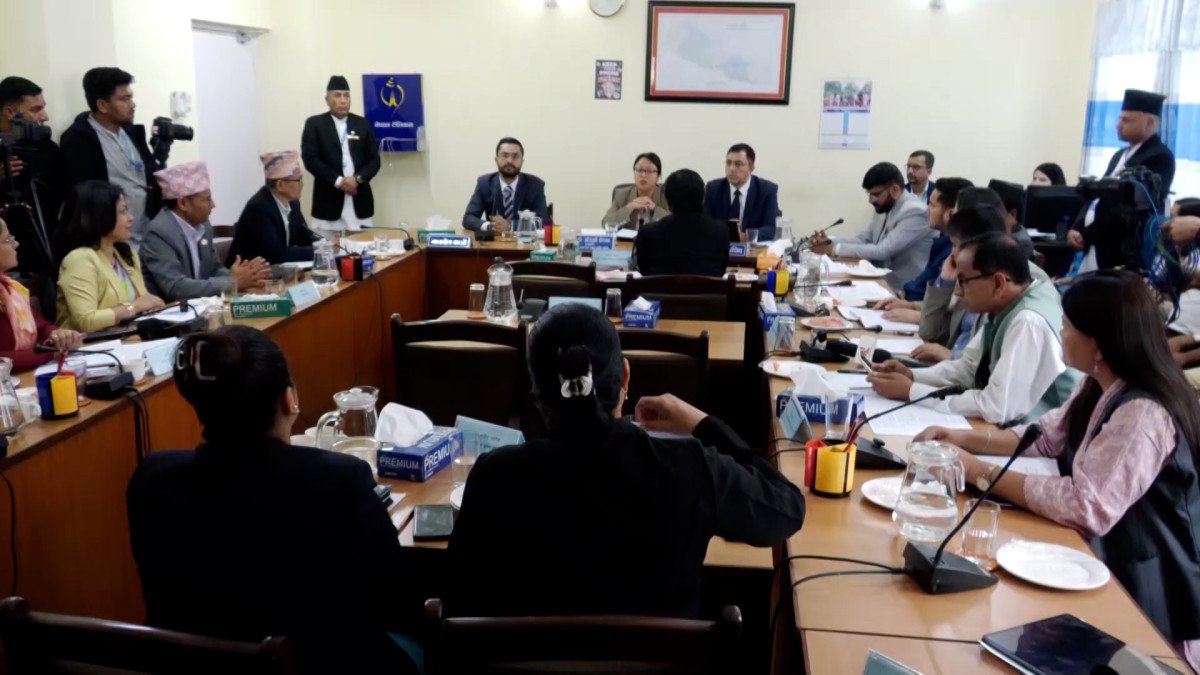
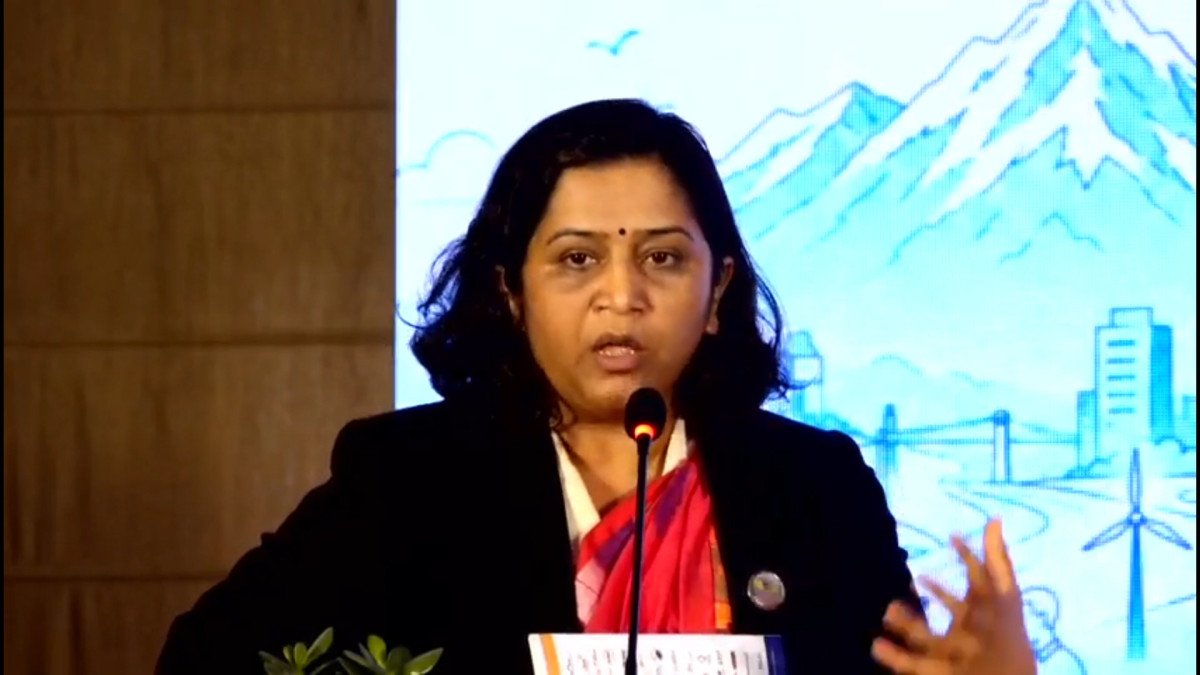
Kathmandu. National Assembly member Dr. Anjan Shakya has suggested that political parties incorporate the 'climate change' agenda into their respective election manifestos.
She made this suggestion on Friday during the 19th session of the National Assembly. "The election atmosphere is approaching. Political parties cannot rely only on the old style of talking about education, health, and infrastructure in their manifestos. The main agenda now must be 'climate change'," she stated.
MP Shakya mentioned that it is scientifically proven that excessive greenhouse gas emissions are heating the Earth, and Nepal is at the forefront of suffering its severe consequences.
"Climate change is not just an environmental issue; it is linked to our food security, public health, migration, employment, and overall national security. According to the Department of Hydrology and Meteorology, Nepal's average maximum temperature has increased by 2.4 degrees Celsius over the past four decades," she said. "A climate research study has warned that if the current situation persists, Nepal's Gross Domestic Product could decrease by 18 percent by 2050. This directly means that ignoring climate change is putting our future prosperity at stake."
She also cited data showing that in the past 15 years, floods and landslides have caused over 7,000 incidents, resulting in the loss of over 3,000 lives and economic damage exceeding NPR 20.5 billion. "What this data shows is that a large portion of the budget allocated for development is being forced to be spent on relief and reconstruction," she stated. "Until this cycle is broken, we cannot achieve the Sustainable Development Goals."
She emphasized the need to find a path for solutions, stressing that climate change should be viewed not just as a challenge but also as an opportunity.
She stressed the need to widely adopt electric buses, metro systems, cycle lanes, and electric kitchens by utilizing domestically produced hydropower, which would reduce carbon emissions and save billions of rupees spent on petroleum imports, thereby strengthening the economy.
This specific news has been automatically translated by AI. As a result, there may be some inaccuracies or language errors.