Nepal Telecom Marks 23rd Anniversary Amid Financial Concerns and Operational Challenges


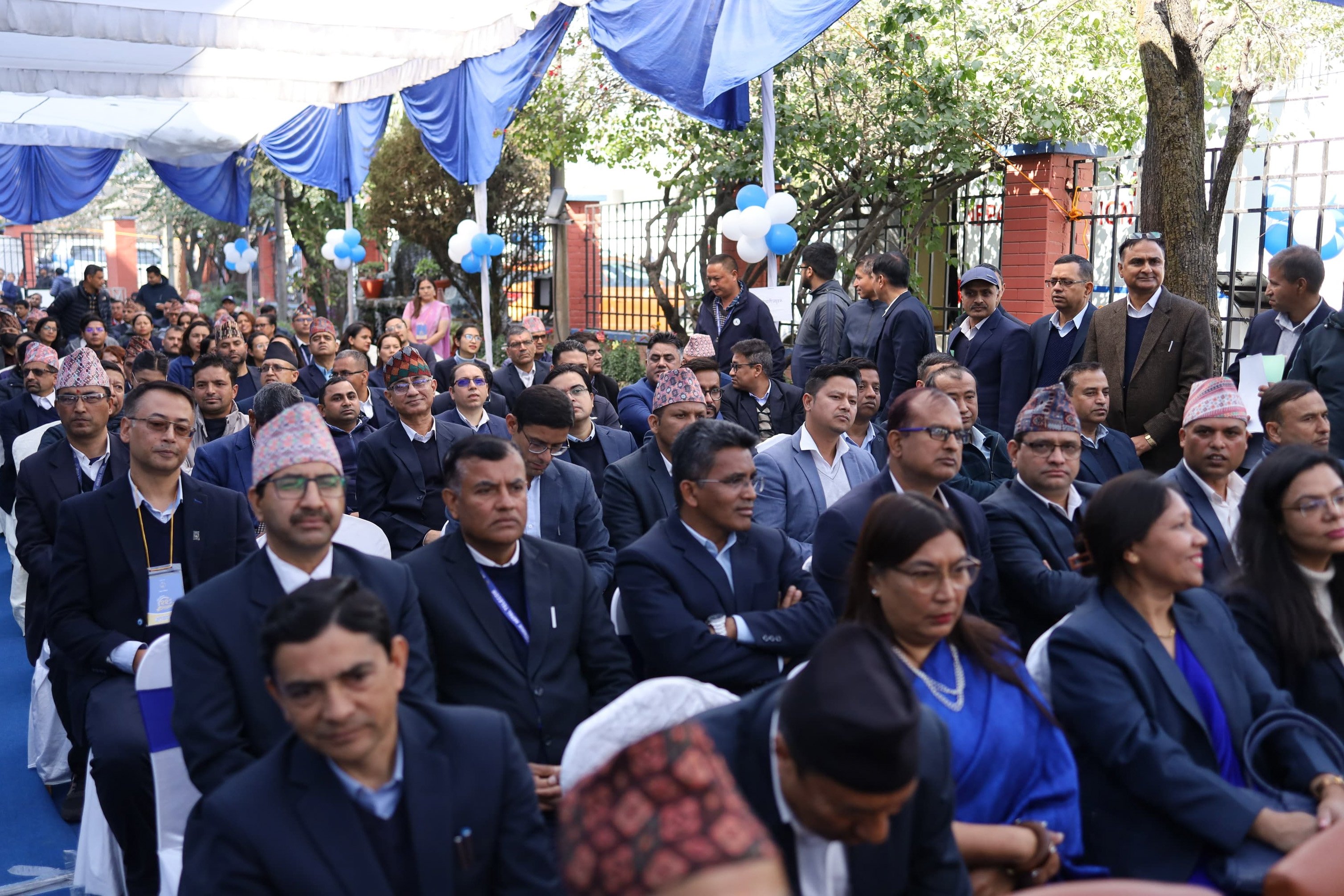
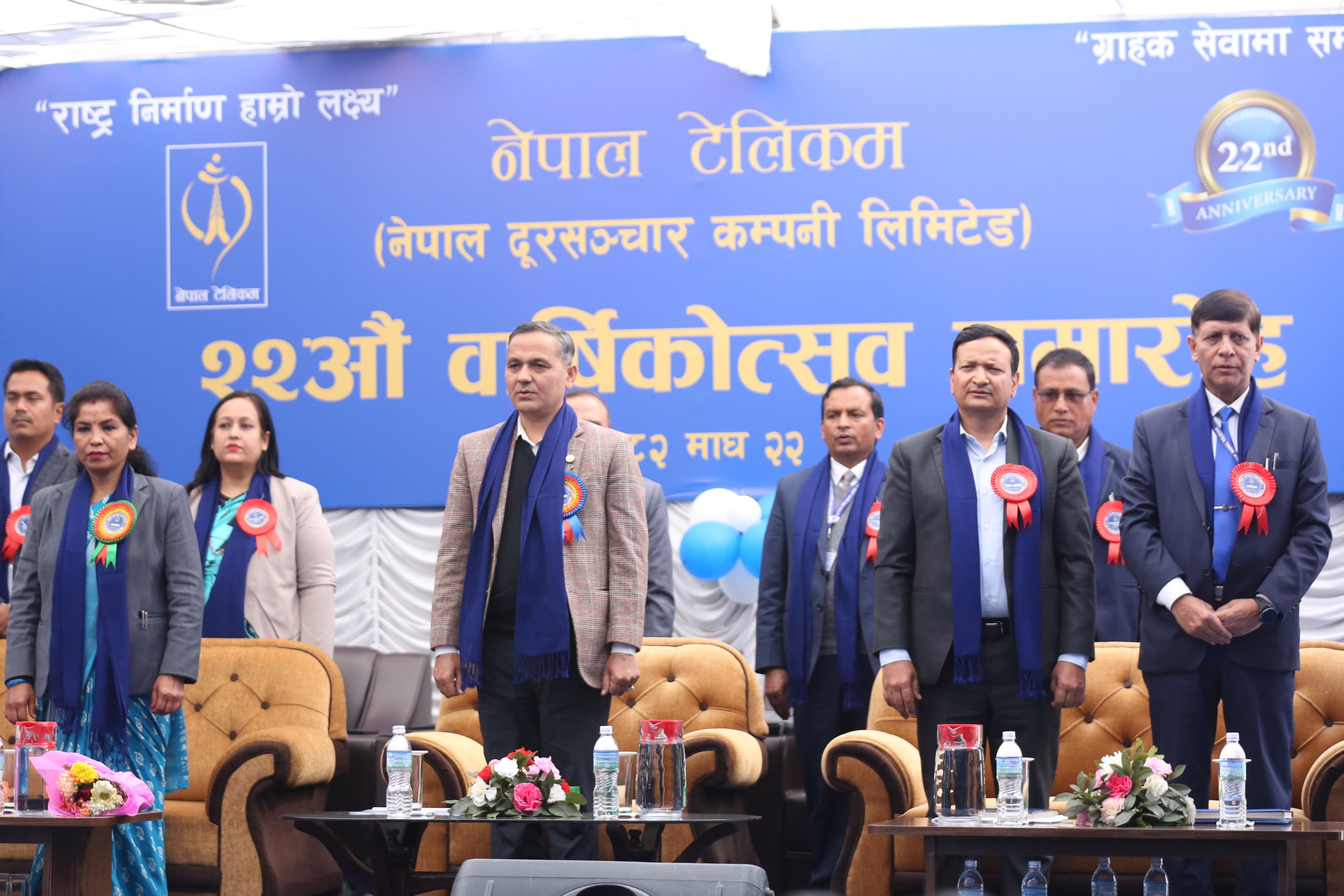
Kathmandu. State-owned telecommunications company Nepal Telecom (NT) has entered its 23rd year. The company celebrated its 22nd anniversary on Thursday. The company was established after the then Telecommunications Corporation was transformed into a company model on Magh 12, 2060 BS.
During its service spanning over two decades, the company reported having 21.9 million mobile customers, 400,000 FTTH voice service customers, 374,000 FTTH data service customers, and 75,000 IPTV customers.
NT stated that it currently holds a 54 percent share in the telecom sector, and its 4G service is operational in all 753 local levels across the country, except for Tajakot and Adanchuli in Humla and Suru Karmaroad in Mugu.
The company announced that in the fiscal year 2081/82, it earned revenue of NPR 38.19 billion, made a profit of NPR 6 billion, and contributed NPR 18.46 billion in revenue to the government.
Despite these achievements, NT is facing a serious juncture in its business operations. A situation has arisen where survival will be difficult without alternative measures amidst continuously declining revenue.
Stakeholders suggest that the decline in profit is due to the decreasing consumption of traditional services like voice and SMS, coupled with unhealthy competition in the data and internet market.
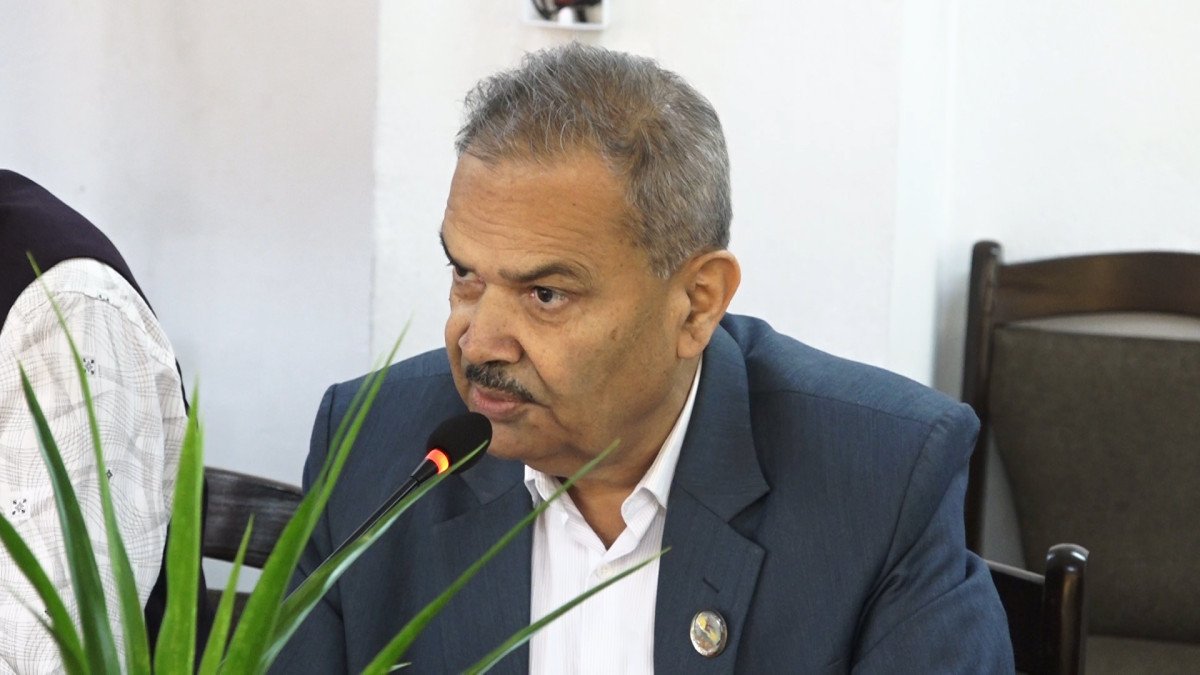
Bhupendra Bhandari, Chairman of the Nepal Telecommunications Authority (NTA), drew the attention of NT management to the deteriorating financial health of the telecom sector, urging them to take prompt alternative steps. He noted that NT's profit in the last fiscal year 2081/82 was only possible due to the NTA's concessions.
'Nepal Telecom earned a net profit of NPR 6 billion in the fiscal year 2081/82. However, during the same year, the Authority waived NPR 4 billion in license renewal fees that NT had to pay,' said Chairman Bhandari. 'If we hadn't provided the concession, NT's profit would have dropped to NPR 2 billion.'
Bhandari stated that while NT's Earnings Before Interest, Taxes, Depreciation, and Amortization (EBITDA) is good compared to telecom companies worldwide, the fact that this is not reflected in the net profit is a matter of concern. 'It is a serious question why the margin profit was not achieved even while maintaining a 50 percent EBITDA,' he said.
He also pointed out the decline in NT's market share as another concern. He mentioned that despite NT investing billions in infrastructure, the return on investment remains low.
- Impact of 'Internet Mobility' and Unhealthy Competition
On the other hand, unhealthy competition in the market and policy ambiguity seem to be harming NT. Specifically, the fact that Internet Service Providers (ISPs) are offering mobility facilities similar to mobile service providers has led to a continuous decline in the revenue of telecom companies.
Trade union representatives of NT complained that the issue of having the same jurisdiction for those taking licenses for billions and those taking licenses for lakhs is causing problems.
Lok Bahadur Katwal, a member of the Nepal Telecom Board of Directors representing the trade union, said, 'They are operating internet mobility services just like a mobile service provider. By operating more than 15,000 Wi-Fi hotspots, they are snatching NT's market.'
He argued that if the services provided are of the same nature, the license fees and renewal charges should also be the same. He emphasized that while Nepal Telecom is not afraid of healthy competition, policy discrimination should not occur.
NTA Chairman Bhandari stated that this problem will be resolved once the Parliament passes the law, as the new Telecommunications Act includes a provision for percentage-based fee collection, which falls under the jurisdiction of the Parliament.
- Questions on Quality and Misuse of Infrastructure
Chairman Bhandari also urged NT to pay attention to the quality of its services. He noted that NTA monitoring shows that NT's quality is declining day by day and called for immediate action. He warned that repeatedly testing customer patience is not good and will lead to the loss of brand value and customer trust.
He specifically suggested that NT must be serious about network downtime during disasters. 'We saw 800-900 sites go down during disasters. They cite battery and solar problems. But we have committed to quality; one cannot legally or commercially say the site will go down,' he said.
Errors in the billing system have also raised questions about NT's reliability. 'There have been three issues due to billing. We have issued directives. If this continues, there is a risk of losing public trust,' said Chairman Bhandari.
Trade union representatives, however, cited theft of equipment and lack of security as the main reasons for service interruptions. Operator Katwal said, 'Service disruptions have occurred due to the theft of our equipment, including batteries, in many places in the Janakpur region. We operate the service, but security agencies also need to increase surveillance.'
- Missed Opportunities in FTTH and 5G
As internet usage increases in Nepal, NT has launched Fiber to the Home (FTTH) service. However, Chairman Bhandari commented that NT has failed to establish a strong presence.
Nepal ranks high in FTTH penetration in South Asia with 50.45 percent coverage. But Bhandari noted that NT's revenue of only NPR 1 billion in this segment, out of a market worth NPR 23 billion, is insufficient, and a review is needed on why they are lagging despite having the network and capacity.
Furthermore, the delay in 5G service expansion is also cited as a major missed opportunity by stakeholders. Chairman Bhandari commented that although the NTA provided concessions for this, NT missed the opportunity.
'Regarding 5G, we initially gave NT a free trial. Work wasn't done then. Now, if they ask again, other service providers will raise questions. The issue of a level playing field arises,' said Chairman Bhandari. 'If they had performed well when they received it for free, it would have been easier today. A big opportunity was missed.'
With revenue declining from traditional voice services, there was an emphasis on exploring new business areas for survival. Chairman Bhandari pointed out the potential to increase revenue by NPR 400-500 million from the National Payment Gateway and the Fintech sector's SMS services.
He also stressed cost reduction. 'If we cannot increase revenue, we must cut costs. Hundreds of millions can be saved by reviewing bandwidth prices and reducing OPEX,' he said.
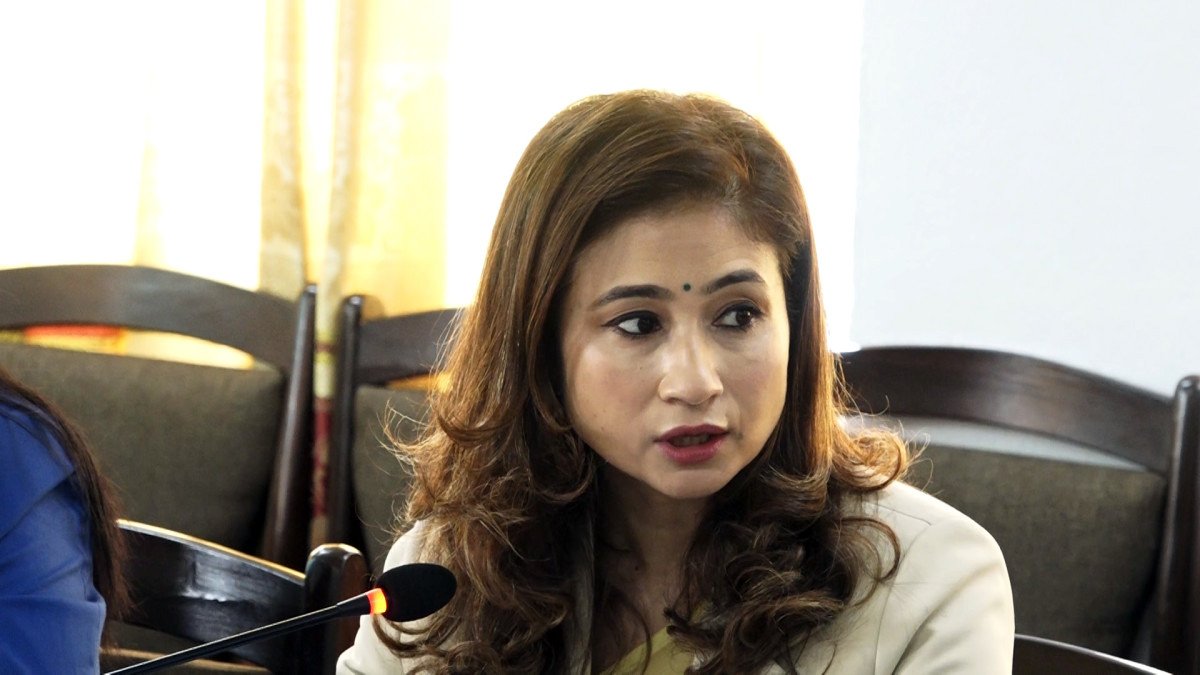
Lakshmikumari Basnet, Chairperson of the NT Board of Directors and Secretary of the Ministry of Communications and Information Technology, stated that NT must now expand services to remote areas to reduce the digital divide. She emphasized that satisfied customers are the basis for the company's sustainable development and advised focusing on new areas like telehealth, telemedicine, and tele-education.
This specific news has been automatically translated by AI. As a result, there may be some inaccuracies or language errors.