US and Iran Exchange Attacks Amidst Stalled Peace Talks

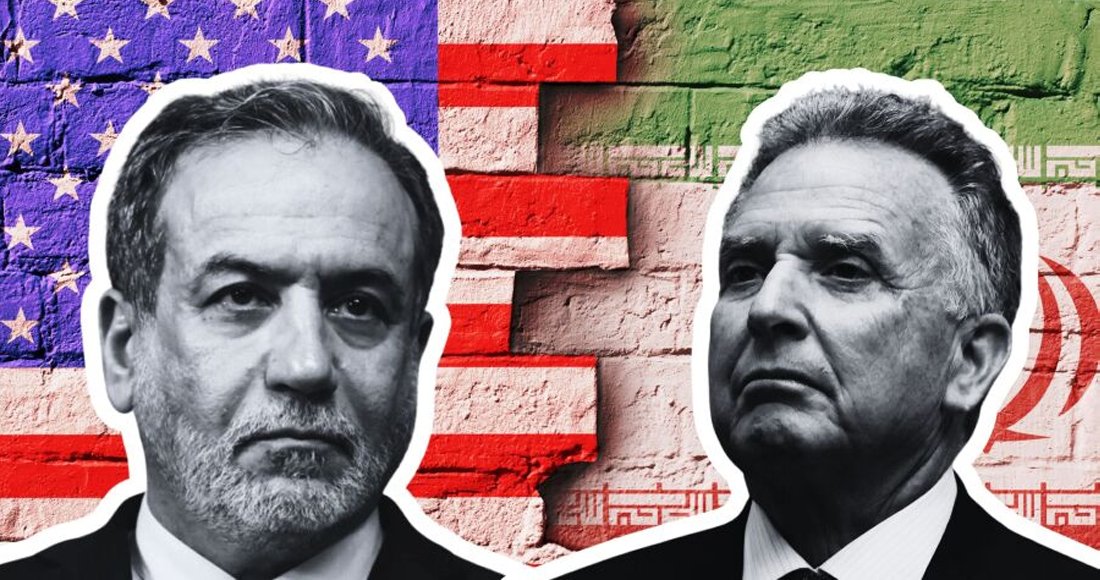
Although US President Donald Trump said the Memorandum of Understanding (MOU) with Iran "is over," US officials have reiterated Washington's commitment to continue negotiations.
According to a US official who spoke to Al Jazeera, Washington is committed to talks with Tehran despite launching attacks in Iran for two days this week. Furthermore, technical talks will continue for a permanent peace agreement.
This week's attacks, from Tuesday night to Thursday, were the biggest tension since the signing of the Memorandum of Understanding (MOU) to begin a 60-day negotiation period on June 17.

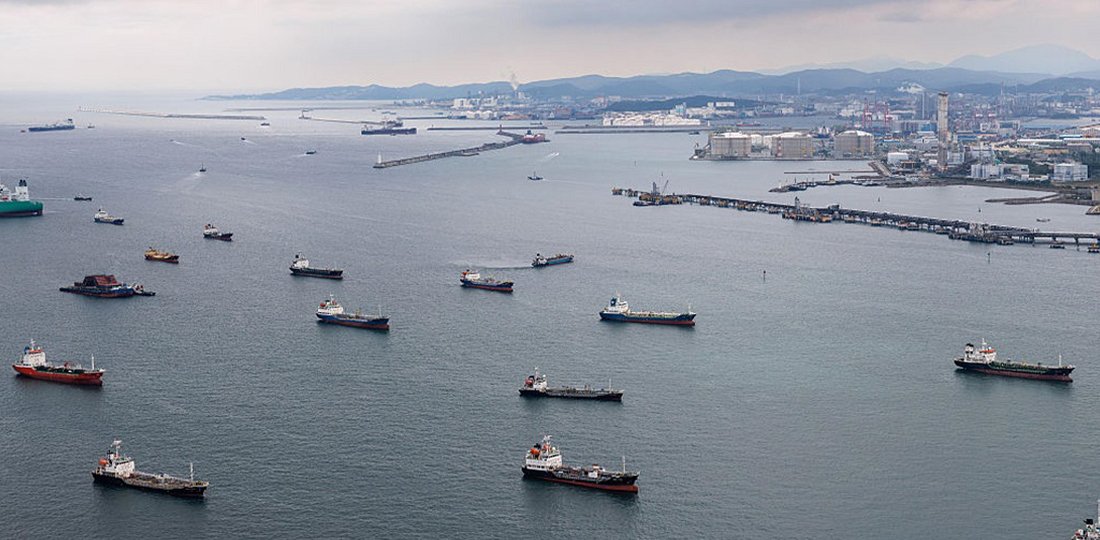
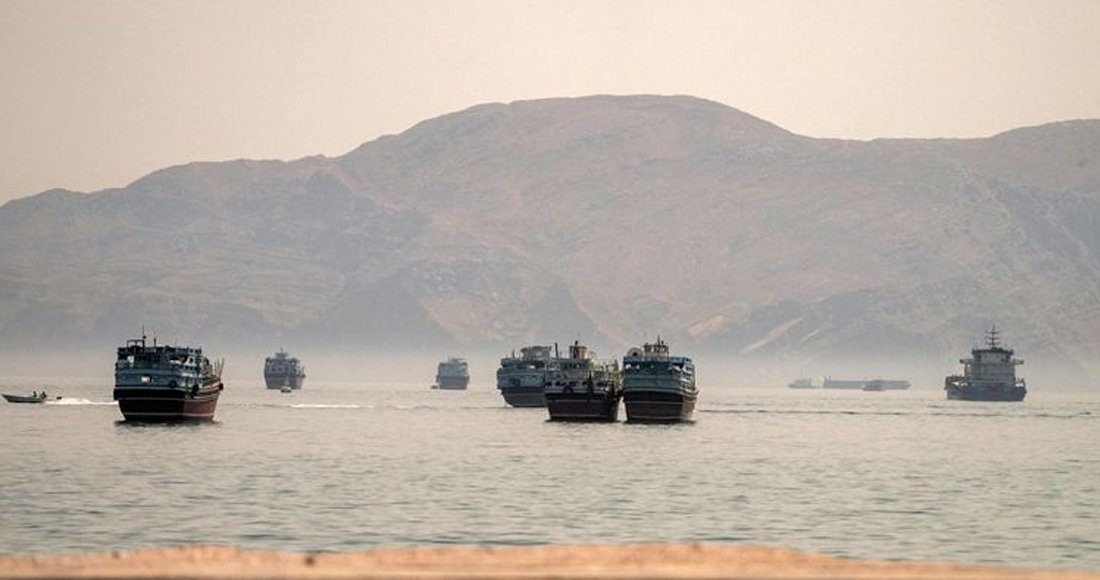
The Islamic Revolutionary Guard Corps (IRGC) attacked commercial ships in the Strait of Hormuz, claiming Iran did not use the approved route. Immediately after, the US attacked 85 locations in Iran, initially on Tuesday night and Wednesday morning.
In response, Iran attacked US military assets and infrastructure in the Gulf countries on Wednesday. Following this, the US again attacked 90 locations in Iran's southern coastal and eastern provinces on Wednesday night and Thursday. According to Iran, these attacks also targeted civilian infrastructure. This further weakened the three-week-old ceasefire agreement.
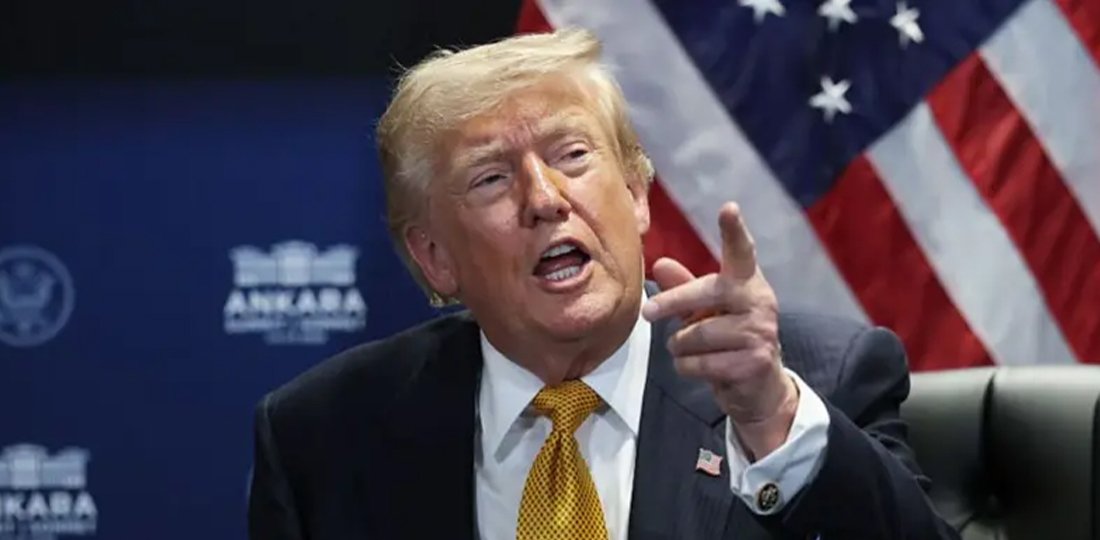
Speaking to reporters at the NATO summit in Ankara, Turkey, on Wednesday, US President Donald Trump said he felt the MOU was "over." This raised fears that the ceasefire had been broken. However, he added that he believed peace talks would continue for now, but it was only a "waste of time." Angrily, he described the Iranian leadership as "petty."
Speaking to reporters on Air Force One on Thursday, Trump appeared to back down slightly from his stance. He stated that returning to full-scale war was not his objective. While the option of war remained open, he asked what Tehran "wants to agree to."
However, on Friday morning, Iranian media reported several explosions in the southern region of Iran. Explosions occurred in Bushehr, home to a nuclear facility, as well as in Konarak, Chahbahar, and Bandar Abbas.
The US claimed no involvement in these explosions. As mediator nations continued diplomatic efforts, the guns finally appeared to fall silent late on Friday morning. A US official told Al Jazeera that Washington remains committed to negotiations.
Neither side has officially announced the cancellation of talks or the end of the MOU. However, both have accused each other of violating the agreement.
So, what do we know about whether peace talks will continue? And if they do, when?
- What has happened in the talks so far?
On June 17, the US and Iran signed a Memorandum of Understanding (MOU), agreeing to a 60-day ceasefire on all fronts, including Lebanon. This was intended to pave the way for negotiations on a permanent peace agreement. Under the MOU, Iran agreed to allow unimpeded passage of ships in the Strait of Hormuz during this period. In return, the US agreed to lift sanctions on Iranian oil and remove the naval blockade imposed on Iranian ports.
Subsequently, talks were scheduled to begin in Switzerland to reach a detailed agreement on issues such as the future of the Strait of Hormuz, Iran's frozen assets, the lifting of long-term sanctions, and Tehran's nuclear program. However, this was delayed due to ongoing Israeli bombings in southern Lebanon. Israel occupies about one-fifth of Lebanon.
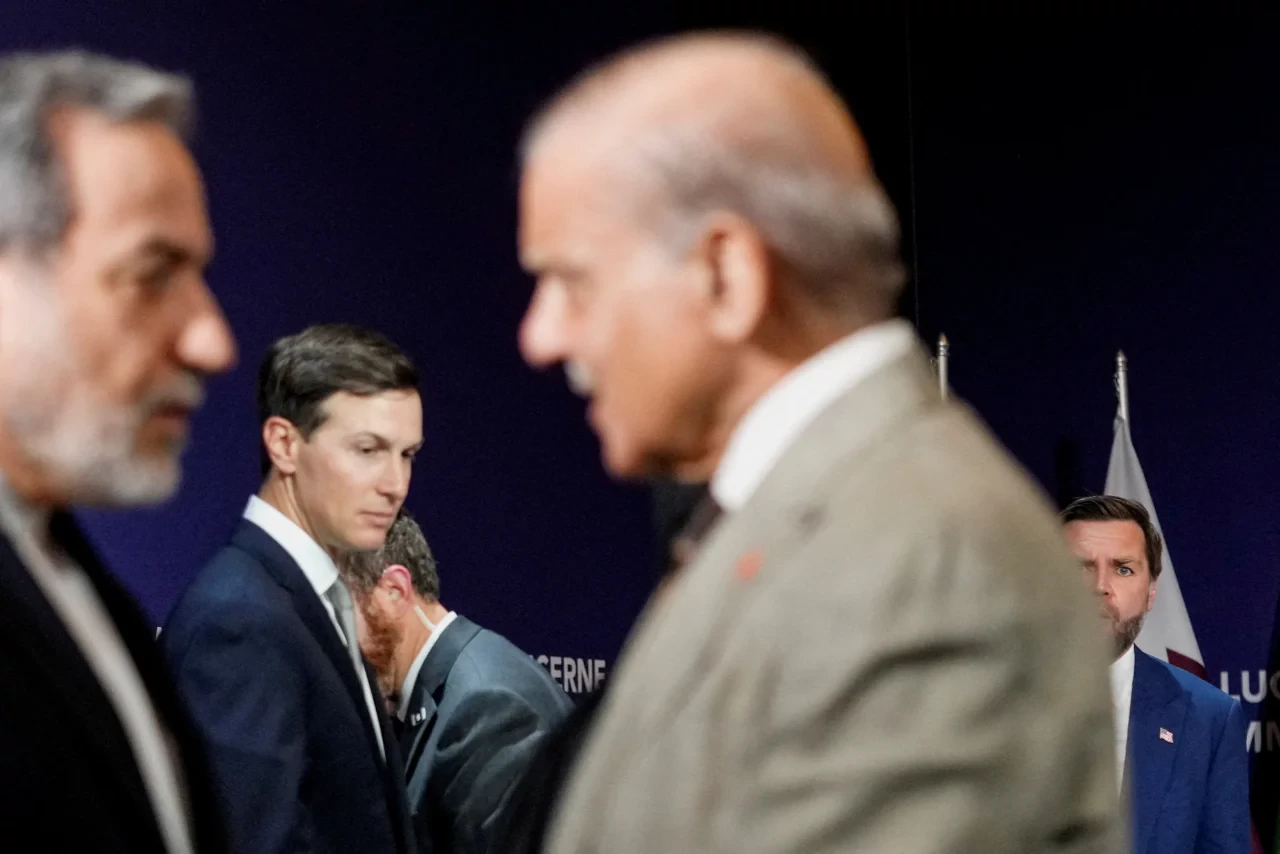
Some direct talks did take place in Switzerland. However, since the beginning of this month, the two sides have been holding "technical" talks indirectly in Doha, the capital of Qatar. These talks were halted due to the week-long funeral of Iran's former Supreme Leader, Ali Khamenei. Khamenei died in the first US-Israeli attack in Tehran on February 28.
Trump had also promised that US attacks would not resume while the funeral ceremonies were ongoing.
- When were the talks scheduled to resume?
It was expected that talks would resume around July 11, after the state funeral ceremonies in Iran concluded. However, the US launched a third attack on Iran this week, both during ongoing peace talks and during the state funeral. This makes it unclear whether the talks will resume, and if so, when.
Iranian state media reported on Friday morning that the late Supreme Leader Ayatollah Ali Khamenei was buried at the Imam Reza shrine in his hometown of Mashhad. This is a vast religious complex with golden domes and gold-plated minarets in the heart of the city. With this event, his funeral rites have been completed.
Iran had previously stated that it did not trust the US leadership due to America's habit of resuming attacks while talks were ongoing. The US had done the same during the Israel-Iran war last year and again on February 28 this year.
- What is the possibility of talks resuming?
After the exchange of military attacks between Iran and the US on Wednesday, Trump said he felt the MOU with Iran was "over." With him describing Iranian leaders as "sick people," the possibility of continued talks seemed very slim.
Trump stated that the US attacks were justified after Iran attacked ships in the Strait of Hormuz. He claimed that Iran's action violated the terms of the MOU.
However, Trump's own message was mixed. On one hand, Trump said, "I think it's over. I don't want to make any more deals with them, they are petty." On the other hand, Trump said US negotiators would be allowed to continue talks with their Iranian counterparts.
"Frankly, I don't want to waste my time with them. I'll let them continue talking if our best negotiators want to, but I don't see any possibility in it," Trump said.
Now, a US official has told Al Jazeera that the US negotiating team is committed to continuing talks with Iran.
Iran has indicated it is unwilling to negotiate as long as US attacks continue.
The country's political leaders have condemned the new attacks this week, calling the US attacks a "war crime." They accuse Washington of violating the MOU, which stipulated a ceasefire on all fronts.
Tehran has also filed a formal complaint with the UN Security Council and the UN Secretary-General against the US.
Mohammad Ghalibaf, the Speaker of Parliament and a key mediator in the ongoing talks, posted on X on Thursday, accusing Washington of adopting a "bullying" strategy. Ghalibaf wrote, "America has not yet learned that bullying and breaking promises are no longer valuable. Let me be clear: if you strike, you will also have to endure strikes."
What was agreed in the Memorandum of Understanding (MOU)?
- Ceasefire in Iran: The MOU was agreed to end the hostilities that arose after the Iran war began.
- Ceasefire in Lebanon: The first point of the MOU states that the US and Iran agreed to "immediately and permanently end military actions on all fronts, including Lebanon." It added that both sides would respect Lebanon's regional integrity. However, Israel continued its attacks for the first few days after the MOU was signed.
- Strait of Hormuz: The MOU includes the US lifting the naval blockade imposed on the Strait of Hormuz and Iran ensuring the safe passage of ships there.
- Iran's Nuclear Stockpile: The MOU reaffirms that Iran will not acquire or develop nuclear weapons.
- Lifting of Sanctions: The MOU includes the US lifting sanctions on Iran.
Iran claims the US has not fulfilled its commitment by resuming attacks and by failing to stop Israel's attacks and occupation in southern Lebanon.
Specifically, Iran's Foreign Ministry called the "aggressive attack" by US forces on the southern coastal provinces and two railway bridges a "grave war crime." The ministry accused the US of violating Articles 1 and 5 of the MOU, which stipulate an end to the war.
On the other hand, Washington blames Tehran for not allowing ships to pass safely through the waterway. Iran has attacked several ships in the Strait of Hormuz since the ceasefire began.
According to the UK Maritime Trade Operations, a tanker caught fire near the coast of Oman on Monday night after being hit by an "unknown object" in the Strait of Hormuz.
Citing two unnamed US officials, the news agency Axios reported that Iran's IRGC fired at least two missiles at commercial ships passing through the waterway on Monday night.
A dispute has also arisen over Iran's plan to charge fees to ships using the waterway, which the US has rejected. For now, the MOU only mentions free passage for 60 days. It is unlikely that Iran will back down from this plan.
Mohsen Milani, a political science professor at the University of South Florida, told Al Jazeera this week, "Perhaps the idea of imposing environmental or service fees in cooperation with Oman reflects its attempt to make its sovereignty over half of the waterway permanent."
Michael Vahid Hanna, US program director at the think tank International Crisis Group, told Al Jazeera, "Iran's most significant strategic achievement is linked to its new capability to exert influence in the waterway. However, it has not yet achieved what it aimed for after the war ended. Its goal was to gain recognition for its control over the waterway and establish a mechanism to monetize it."
What is the main problem?
According to observers, disagreements have arisen because the language of the MOU is very ambiguous and can be interpreted in various ways.
Strait of Hormuz
Article 5 of the MOU states:
"Upon signing this Memorandum of Understanding, the Islamic Republic of Iran shall arrange for the safe passage of commercial vessels from the Persian Gulf to the Sea of Oman and back, making its best efforts from its side, without any charges for a period of only 60 days. The passage of commercial vessels shall commence immediately. Taking into account the need for technical and military de-escalation and mine clearance, this shall be implemented by the Islamic Republic of Iran within 30 days. In accordance with applicable international law and the sovereign rights of the coastal states of the Strait of Hormuz, the Islamic Republic of Iran shall consult with the Sultanate of Oman and other Persian Gulf nations to define the Strait of Hormuz and its future administration and maritime services."
The US claims that Iran violated this article by firing on ships that did not follow the route approved by the IRGC.
In early March, after the war began, the IRGC blocked the passage of ships in the Strait of Hormuz. In April, it issued a map of a safe route for ships to use, stating that some ships could pass with its approval.
However, after the MOU was signed, some ships have been using the old route near the coast of Oman, approved by Oman and the US, without coordinating with Iran. This route passes through an area marked as "restricted" on the map issued by the IRGC.
Negar Mortazavi, a senior fellow at the Center for International Policy, told Al Jazeera that this has established "parallel shipping routes and security mechanisms" in the waterway, which are not mentioned in the MOU.
She said, "Iran considers this a direct violation of the MOU. Therefore, Hormuz has become the first major test of how the agreement is interpreted and implemented."
Lebanon
Article 1 of the MOU states:
"The United States of America and the Islamic Republic of Iran, and their allies in the current war, by signing this Memorandum of Understanding, declare the immediate and permanent cessation of military actions on all fronts, including Lebanon. Furthermore, they commit to refraining from initiating any war or military action against each other henceforth, avoiding threats of force or the use of force against each other, and ensuring Lebanon's regional integrity and sovereignty. The final agreement will confirm the permanent end of the war on all fronts, including Lebanon, and the other provisions of this article."
Iran claims the US violated this clause. Firstly, by allowing Israel to continue its attacks in southern Lebanon, and secondly, by launching attacks itself this week.
Although the MOU talks about a ceasefire in Lebanon, it does not specifically mention Israel. Israel currently occupies one-fifth of its northern neighbor, Lebanon. It has been attacking Lebanon almost daily since early March, resulting in the deaths of at least 3,000 people and the displacement of over 1 million people. Israel claims it is targeting strongholds of Hezbollah, an Iran-backed Lebanese armed group, which began firing rockets into northern Israel after the first US-Israeli attack in Tehran on February 28.

Since this agreement is only between the US and Iran (Israel and Hezbollah have not signed it), it was initially unclear how the ceasefire in Lebanon would be implemented, or if it meant Iran had to stop providing financial support to Hezbollah. In fact, the agreement does not generally mention Iran's support for proxy groups in the region.
Even after the MOU was signed, Israel continued its attacks in Lebanon. Later, at the end of June, after four days of marathon talks mediated by the US in Washington D.C., they agreed on a new framework agreement.
However, according to experts, that agreement is weak. This is because it does not explicitly call for the withdrawal of Israeli forces from Lebanon. Instead, it links it to the disarmament of Hezbollah, a condition that the Iran-backed armed group has repeatedly rejected.
Hezbollah chief Naim Qassem rejected the framework agreement, calling it "null and void." Hezbollah demands that Israel first end its occupation.
This specific news has been automatically translated by AI. As a result, there may be some inaccuracies or language errors.

_sHSpnAljCR.jpg)