Karnali Province Government Approves Policy for Integration of Endangered Raute Community

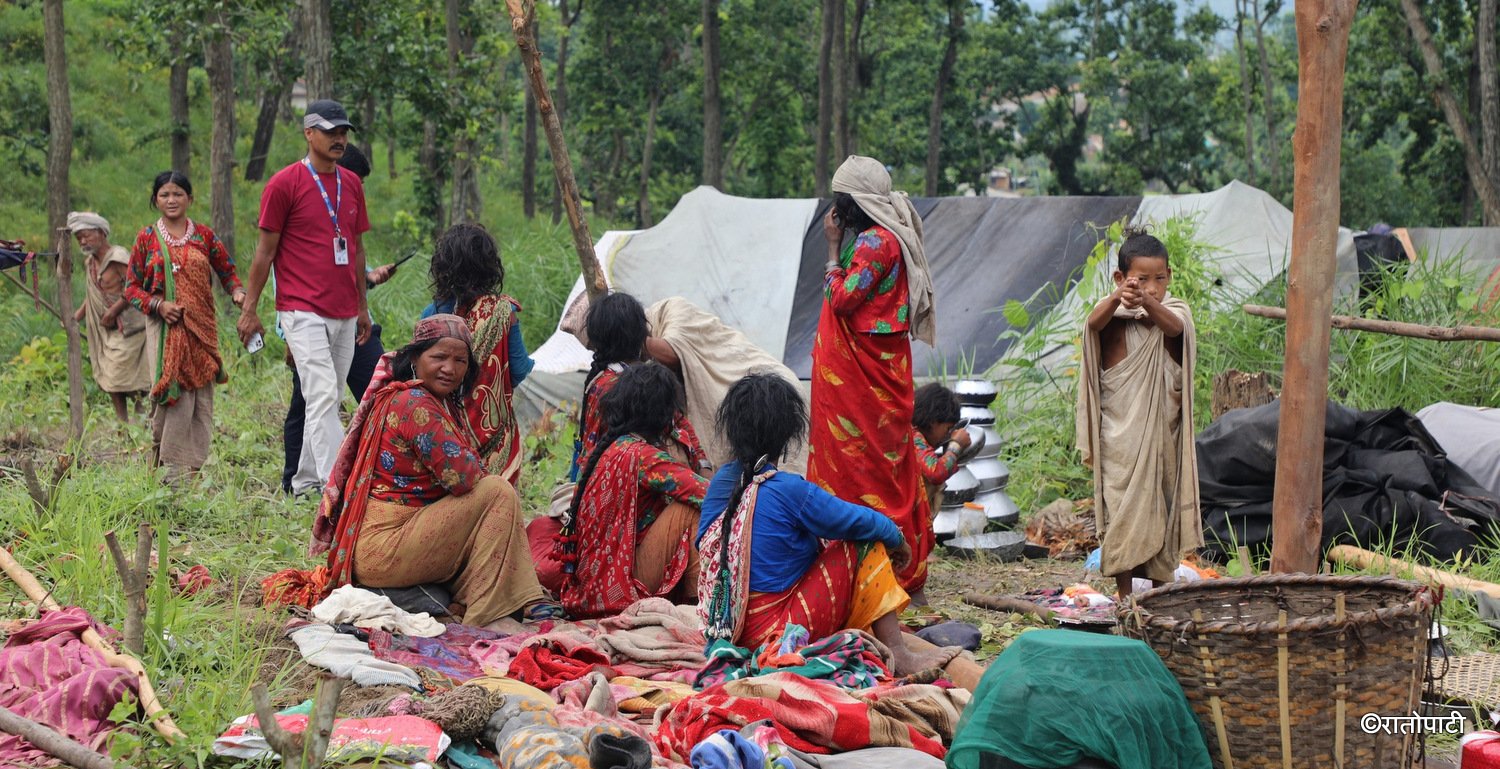
Surkhet. The Raute community, the only nomadic group in South Asia, is on the verge of extinction. The existence of the Raute is in crisis due to unnecessary interference from the outside world and dependence.
The Raute community, who prefer to call themselves 'kings of the jungle' and have their own way of life, attire, customs, and culture, are considered a treasure trove of natural knowledge.
Hunting and exchanging wooden goods for food are their main occupations, but in recent times, the scarcity of wood and the decline in the practice of labor have led to a crisis in their existence due to high infant mortality, malnutrition, lack of sanitation, and alcohol consumption.
The Karnali Province Government has introduced the 'Policy for the Integration of the Endangered Raute Community' keeping this in mind. The Council of Ministers, in its meeting on Thursday, has already approved the policy.
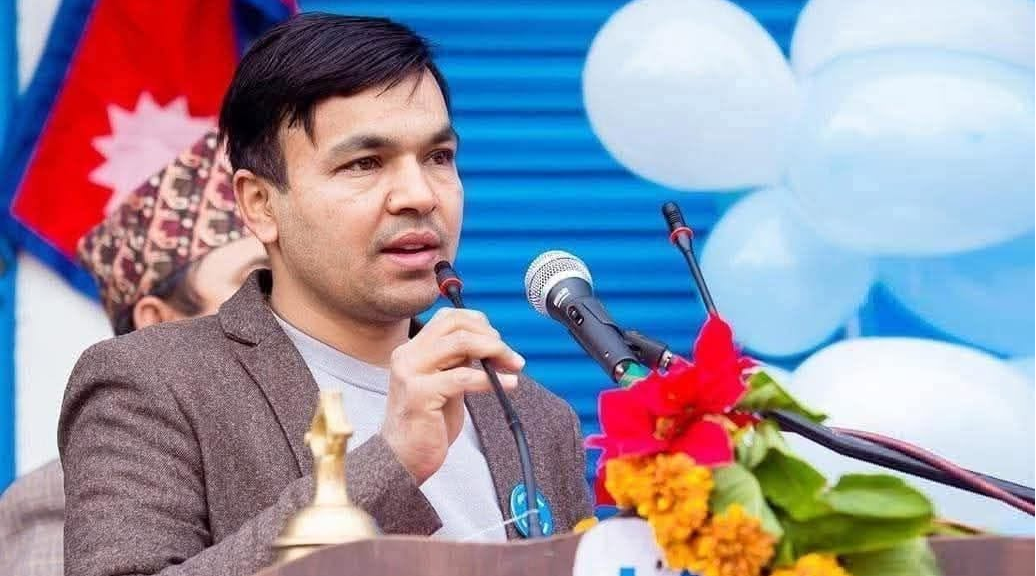
The main objective of the Raute policy is to conserve the rapidly declining Raute population, preserve their unique identity, and integrate them with modern society in a dignified manner, said Social Development Minister Ghanshyam Bhandari.
According to the 2068 census, the Raute population was 618, which decreased to just 134 by 2078. However, in recent years, due to excessive alcohol consumption, deaths are occurring among all age groups from the elderly to children, and it is estimated that this population may decrease further.
Focus on Education and Health through Mobile Services
The provincial government has set strategies and action plans to bring the Raute into the mainstream, including the concept of mobile services for the Raute. The Raute temporarily reside in the districts of Surkhet, Dailekh, Jajarkot, Salyan in Karnali, Achham in Sudurpashchim, and Dang in Lumbini. Since they do not stay in one place all the time, mobile services have been introduced, says Social Development Minister Bhandari.
'Mobile service concept has been introduced keeping in mind the nomadic lifestyle,' he said, 'Under this, services related to education, health, and nutrition will be effectively delivered through a mobile system.'
Arrangements will be made to provide basic education in the places where the Raute community resides. Recently, an organization has been encouraging children of the Raute community towards literacy. Now, the provincial government will make arrangements for mobile basic education in the places where they reside.
_swY4hUTpy1.jpg)
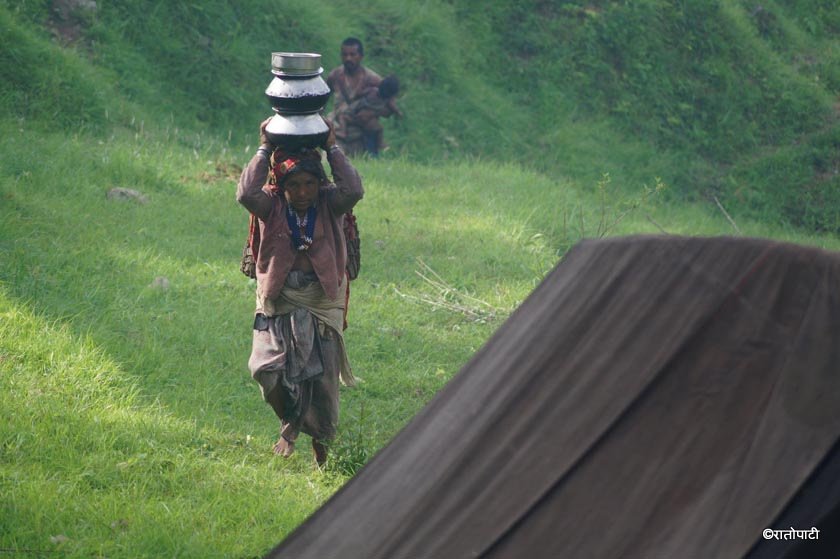
Furthermore, the government has also put forward a policy to construct temporary shelters. 'Temporary shelters will be constructed at locations of their choice in districts like Surkhet, Dailekh, Jajarkot, and Salyan where the Raute community resides,' the Raute policy states.
Similarly, mobile basic health services will be operated, and free health treatment will be provided as mentioned in the policy. To reduce health problems, free arrangements for food, clothing, and medicine are included in the policy.
Control over Unauthorized Entry and External Interference, Language Preservation
The policy has the main objective of preserving the language and culture of the Raute. Point 1 of the strategy and action plan states, 'Their language, culture, traditions, and skills will be preserved, documented, and promoted, and modernized in line with the times.'
The action plan includes the transcription and preservation of the Khamchi language spoken by the Raute, research, documentation, and preservation of their lifestyle and intangible culture, and the creation of a corridor and profile of the Raute community.
'The production of traditional wooden goods will be improved, helping to make it a source of income for them, planting and conserving trees needed for making wooden items, and ensuring their easy availability, and Raute communities will be provided with membership in community forests within the areas they migrate to,' the policy states.
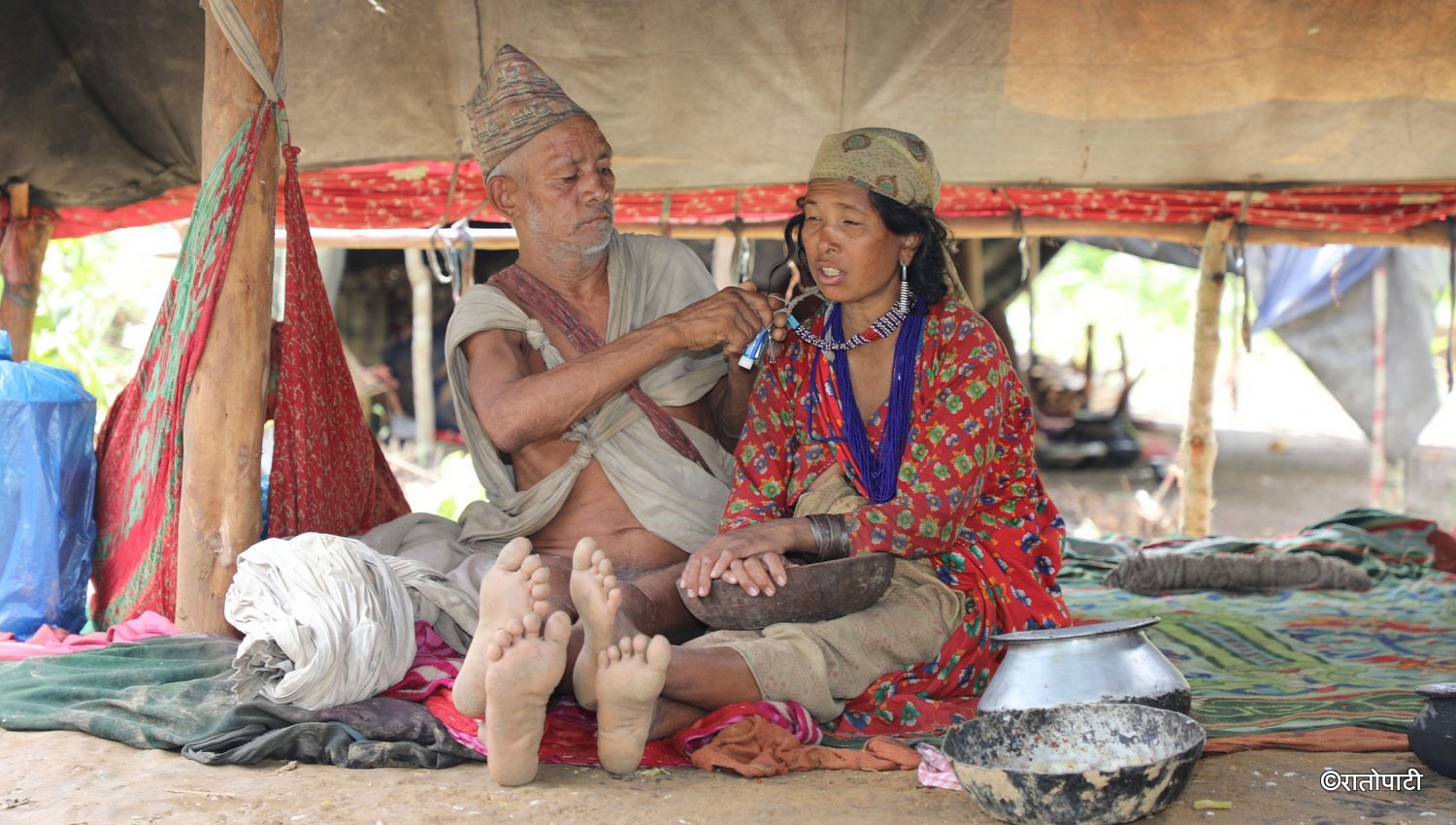
The provincial and local governments will facilitate the sale and distribution of the items they make, and wooden items will be used by government offices as tokens of appreciation, in museums, and at exhibition sites.
The policy also mentions encouraging Raute children to pursue education from basic to higher levels.
Furthermore, the policy includes prioritizing employment sectors based on the skills and capabilities of the Raute community citizens and involving them in local political, social, and economic activities.
Alcohol is becoming the death knell for the Raute. To reduce this, a policy has been adopted to allow the use of only traditionally made liquor during their festivals or religious ceremonies.
The government has adopted a policy to stop external interference for their conservation. In recent times, incidents of outsiders unnecessarily entering settlements to take photos, videos, and TikToks with the Raute, and sexual activities involving Raute girls have come to light, raising concerns among stakeholders that the Raute are becoming more insecure.
The policy states, 'Unauthorized entry and external interference in Raute settlements will be controlled, and the overall security of the community will be strengthened by deploying necessary security mechanisms.'
For this, special security arrangements will be made, male and female volunteers selected by them will be appointed, and necessary security arrangements will be made near the Raute settlements in coordination and cooperation with the provincial government and local levels.
One-Door System to be Implemented for Targeted Programs
After the advent of the republic, external interference in Raute settlements increased. Before that, outsiders did not have much access to Raute settlements. Various government and non-governmental organizations introduced programs targeted at the Raute in the name of assistance. However, instead of improving their lifestyle, they became more dependent.
The provincial government, keeping this in mind, has adopted a policy to implement Raute-targeted programs in an integrated manner.
'Ownership of programs will be enhanced through regular dialogue, consultation, and cooperation with Raute community chiefs, leaders, and members,' the policy states, 'Targeted programs will be conducted to address the special needs of Raute women, children, the elderly, and persons with disabilities.'
To implement the policy, a 'Raute Community Integration Steering Committee' will be formed at the provincial level, chaired by the Social Development Minister. Similarly, an 'Implementation and Facilitation Committee' will be in place to operate at the local level.
The expenditure for the Raute community will be shared by the central, provincial, and local governments, and assistance received from donor agencies and development partners will be managed through a 'one-door system'.
'The Raute are our jewels, so the objective through the policy is to ensure their human rights and guarantee an inclusive and dignified livelihood,' said Social Development Minister Bhandari.
This specific news has been automatically translated by AI. As a result, there may be some inaccuracies or language errors.