US Plans to Deport Iranians and Others to Central African Republic

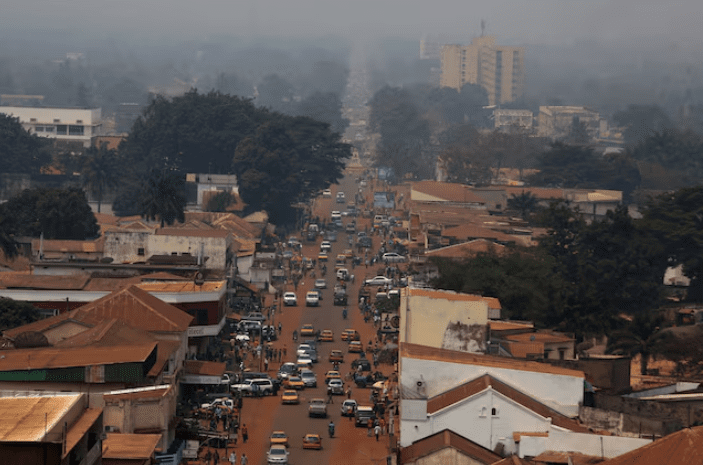
Dakar. The Donald Trump administration has planned to send some Iranian and other country immigrants to the Central African Republic, it has been revealed. This African nation has been suffering from the problem of violence, political instability, and poverty for a long time.
According to two lawyers and one government official who obtained information on this matter, America is planning to send those immigrants to the Central African Republic under the policy of deportation through a third country.
Among the Iranian citizens on the deportation list are two women. According to their lawyer Emily Trostle, if returned to Iran, these women are at risk of torture, harassment, and political retribution. One woman has converted to Christianity, while the other is a pro-democracy political activist.
Both women arrived in America in November 2024 and were detained. They had sought asylum in America and had received protection from the American immigration judge that they could not be removed.
Receiving this protection means that the judge concluded that they would be at more than 50 percent risk if they returned to Iran and could face torture or harassment. According to an official familiar with the matter, about 20 people are expected to be sent on the first flight to the Central African Republic.
Citizens from Syria, Afghanistan, and other countries will also be among them. According to one lawyer, there is a possibility that a Turkish citizen who reached America to escape political persecution may also be included in that flight.
The Trump administration has been adopting a policy of deporting foreign nationals by making agreements with third countries when there are legal or diplomatic difficulties in directly deporting them to their home countries. Earlier, America had made similar arrangements with African nations including the Democratic Republic of Congo.
Human rights organizations have been criticizing such agreements, stating that their details are unclear and there is no adequate assurance of the safety of the deported individuals.
This specific news has been automatically translated by AI. As a result, there may be some inaccuracies or language errors.