Emotional Safety in Relationships: Understanding and Building Trust

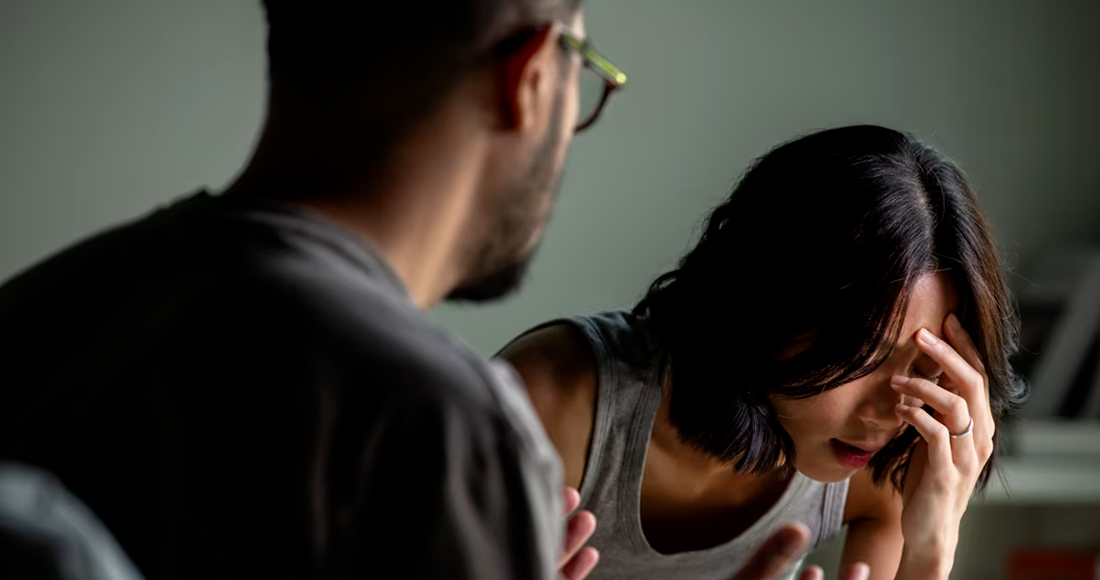
Always walking in fear, ignoring each other, or keeping your thoughts to yourself. If you are behaving like this in your relationship, your relationship may not be emotionally safe.
For many couples, discussing difficult topics is like crossing a minefield. By the time they reach my clinic, the relationship has often exploded multiple times. Even during the initial consultation, one or both partners speak very cautiously, fearing an argument might break out.
This is natural. Our nervous system is designed to react to danger signals. If even a small disagreement with a partner activates this, people go into a 'fight or flight' mode. In such a state, healthy communication is almost impossible.
But a therapist's job is like that of a bomb disposal expert. We want to create an emotionally safe environment that helps couples quickly and safely defuse those bombs themselves.
- What is emotional safety?
Before building it, it's important to know what emotional safety is. For its answer, I spoke with some of my respected colleagues.
Marty Babbits, a therapist based in New York, says, 'Feeling emotionally safe in a relationship means being accepted for who you are. There is no fear of being rejected even when showing your vulnerabilities.'

He adds, 'Even when your feelings differ from your partner's, are they willing to listen to you? If your relationship lacks such support, it can easily be called an emotionally unsafe relationship.'
According to Eva Dillon, a sex therapist in New York, emotional safety is a feeling of ease and authenticity. Dillon adds, 'This feeling often comes when we feel safe, like we are at home. We feel this way when we are in a place where we feel a sense of belonging or with someone with whom we can show our true selves. When we feel safe, we can open up about our vulnerabilities. This also increases connection, creativity, and fun.'
- What characterizes an emotionally safe relationship?
Scott Dukett, another therapist based in New York, says that a crucial aspect of emotional safety is predictability. He says, 'We need to feel safe enough in the relationship to share our true and complex emotions. We need to trust that our partner will listen to our sensitive feelings with empathy, interest, and care. Otherwise, we will keep our emotions somewhat hidden until we feel safe.'
Certainly, disagreements occur even between people in emotionally safe relationships. But the key is that they seek solutions to problems openly and with a desire to understand, rather than blaming each other. Even during conflicts, they communicate with respect for each other as true life partners.
Rebecca Sokol, a sex therapist in New York, says, 'In an emotionally unsafe relationship, there is an underlying fear that communication will only lead to negative outcomes.'
George Faller, a marriage and family therapist practicing in New York and Connecticut, says, 'The only difference between the best and worst relationships is the ability to repair the relationship after a conflict. All forms of repair are possible only from the beginning of communication. There is no shortcut.'
Diana Mariam Nikkhah, a sex therapist practicing in New York and New Jersey, says, 'I tell my clients that the two most important things in a relationship are self-control and communication. If we cannot control our emotions, it is difficult to provide emotional safety to others.'
Nikkhah adds, 'Non-violent communication is equally important. It means understanding and identifying your emotions well. Then you need to consider how to express your feelings to your partner without attacking, blaming, or criticizing.'
- Is your relationship emotionally unsafe?
Rebecca Sokol, a sex therapist in New York, says, 'In an emotionally unsafe relationship, there is an underlying fear that communication will only lead to negative outcomes.'
According to Dukett, in such a situation, you may feel the need to hide your thoughts and feelings. There may be a fear of facing emotional consequences such as your partner distancing themselves, getting angry, or becoming sad if you don't hide them.
Consequently, a lack of emotional safety breeds dishonesty. This lack of honesty can start a toxic cycle. According to him, such a cycle often involves ignoring each other and hiding true feelings through indirect talk. Then, a major conflict arises with hatred, ridicule, and hostile behavior.
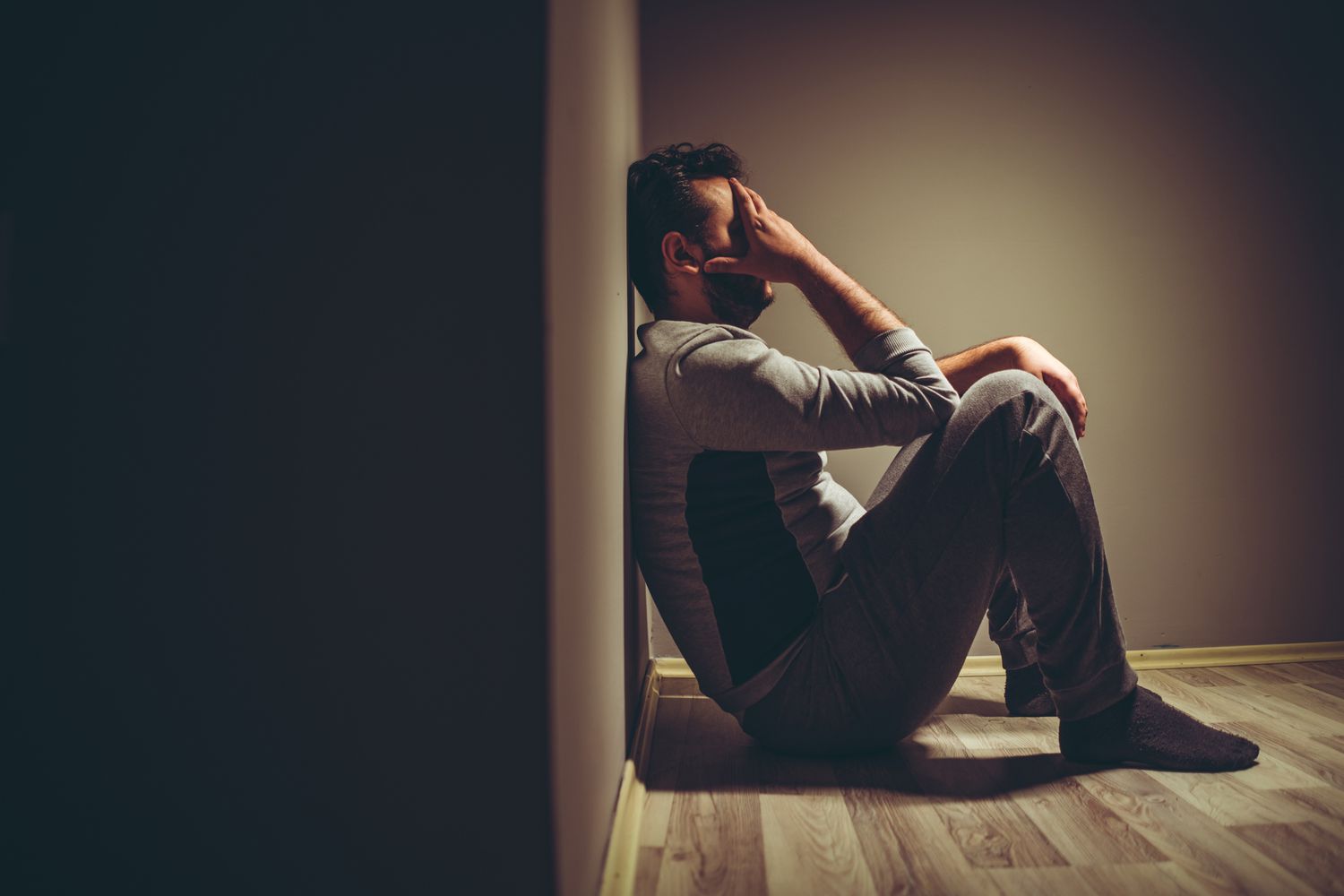
However, hiding things this way only causes hurt, damage, and resentment in the long run. Nikkhah says, 'Avoiding difficult conversations is of no benefit. Those feelings or problems do not disappear on their own as if by magic. They may be suppressed for a while, but they will definitely surface at some point. And at that time, the situation can become even more unhealthy and harmful.'
Nanaho Sawano, a sex therapist in New York and New Jersey, says that emotional insecurity can manifest in other ways. Lack of emotional safety can increase stress, which can lead to a decrease in the desire for physical intimacy. Faller adds, 'People in emotionally unsafe relationships may turn to substance abuse to relieve the pain of mutual distance.'
- Worried that your relationship is not emotionally safe?
According to Faller, the first step is to talk openly about it and acknowledge the lack of safety in the relationship. He says, 'The only way to feel safe is to bring out the distrust. This gives both individuals a chance to bring about change together.'
'When a relationship is emotionally safe, it feels very resilient and strong. We can look back at past conflicts and say, Wow! We got through that difficult time, and it made our relationship even stronger.'
You can also build emotional safety by improving your communication style and committing to building a deeper, more meaningful connection. Dillon says, 'Communication style is a skill that can be learned. Feeling truly heard and understood strengthens the relationship. Ups and downs are natural in a relationship. Your ability to repair them determines the quality of the relationship.'
However, Sokol urges attention to one point: 'It may not be possible for you or your partner to be in a state of complete emotional safety all the time. Instead, the goal can be to achieve small moments of emotional safety, which gradually help the relationship reach a sufficiently emotionally safe state.'
Nikkhah advises not to think that this problem must be solved alone. 'Couples counseling' is an excellent option for this. A therapist is a neutral professional who does not take sides. They work with you towards the common goal of establishing emotional safety in your relationship.
They teach the necessary skills of self-control and communication. If you feel that emotional safety cannot be achieved with your partner, individual counseling can also be helpful.
Dukett says that although this work is difficult, it is very rewarding. He says, 'When a relationship is emotionally safe, it feels very resilient and strong. We can look back at past conflicts and say, Wow! We got through that difficult time, and it made our relationship even stronger.'
This specific news has been automatically translated by AI. As a result, there may be some inaccuracies or language errors.