National Human Rights Commission Identifies 'TOB' Group's Role in Violent Protests

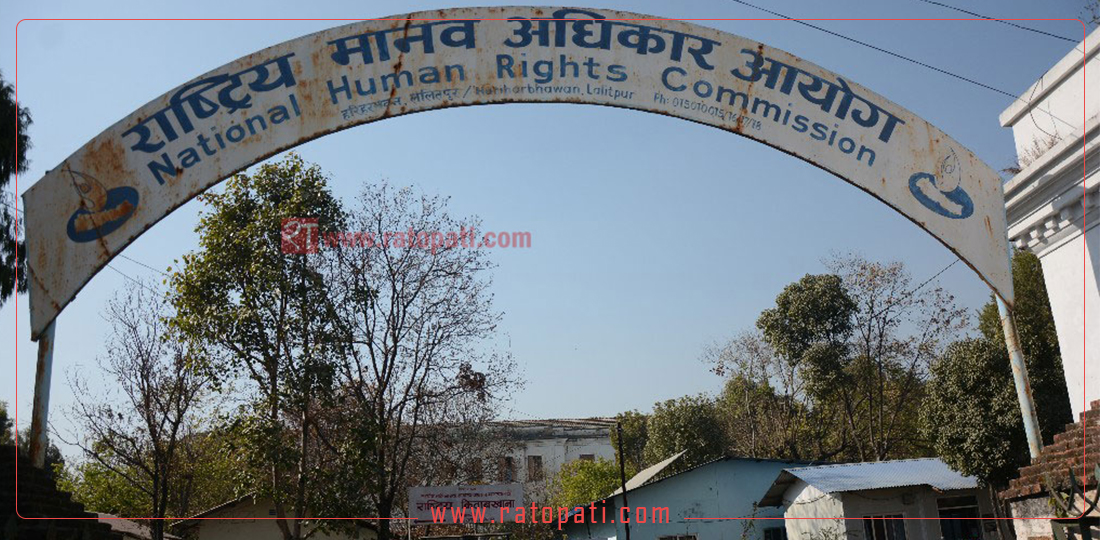
Kathmandu. The National Human Rights Commission has concluded that the group called 'Tibetan Origin Blood' (TOB) played a key role in making the Gen Z protests on August 23 and 24 last year violent and inciting protesters against the security forces. The commission has recommended that the government conduct a thorough investigation into the group and bring the involved individuals to justice.
According to the investigation report, the TOB group was systematically mobilized to 'hijack' the supposedly peaceful protest and incite the crowd.
During the protest, a 'biker group' of 15 to 20 individuals wearing black t-shirts with 'TOB' written on them, and with 'TOB' tattoos on their arms and bodies, appeared in front of the Everest Hotel in Baneshwor. This group was found to be continuously inciting Gen Z youths and students, who had gathered peacefully, to break the security cordon, enter the prohibited area, and advance towards the Parliament building.
The commission's investigation has uncovered the serious fact that the TOB group used young people and students as human shields, pushing them forward while they themselves stayed behind and threw stones and attacked security personnel. The report states, 'It appears that the TOB group systematically incited the protest to take control and attack security personnel and the Parliament building.'
The commission has stated that the identity of the TOB group members, their objectives, and their relationship with the protest organizers have not yet been clarified by the ongoing investigation.
Therefore, in point 14 (a) of the recommendations, the commission stated: 'Investigate thoroughly the TOB group and other individuals who incited the crowd gathered for a peaceful demonstration at Maitighar Mandala and incited violent behavior towards the security forces guarding the Parliament building, and bring those found guilty to justice according to the law.'
This specific news has been automatically translated by AI. As a result, there may be some inaccuracies or language errors.
_iL3K2wYemS.jpg)