Bhujung Village: A Growing Tourist Destination in Lamjung


Lamjung. With green hills, traditional houses made of stone and covered with stone, locals busy in fields and farms, and the vibrant identity of Gurung culture, Bhujung village in Lamjung has become a choice for domestic and foreign tourists in recent years.
Located about 32 kilometers northwest of the district headquarters Besisahar, Bhujung is situated at an altitude of about 1,600 meters above sea level in Ward No. 4 ofgholaSothar Rural Municipality. This village, with a dense Gurung population, is becoming known as a major tourist destination in Lamjung due to its traditional culture, unique lifestyle, and warm hospitality.
Upon reaching the village via jeep after traversing a dirt road, the green hills, streams, and rural lifestyle seen along the way captivate any traveler. As soon as you enter the village, you are greeted by stone-covered houses, bunches of corn dried next to the courtyard, flower gardens, and locals in traditional attire.
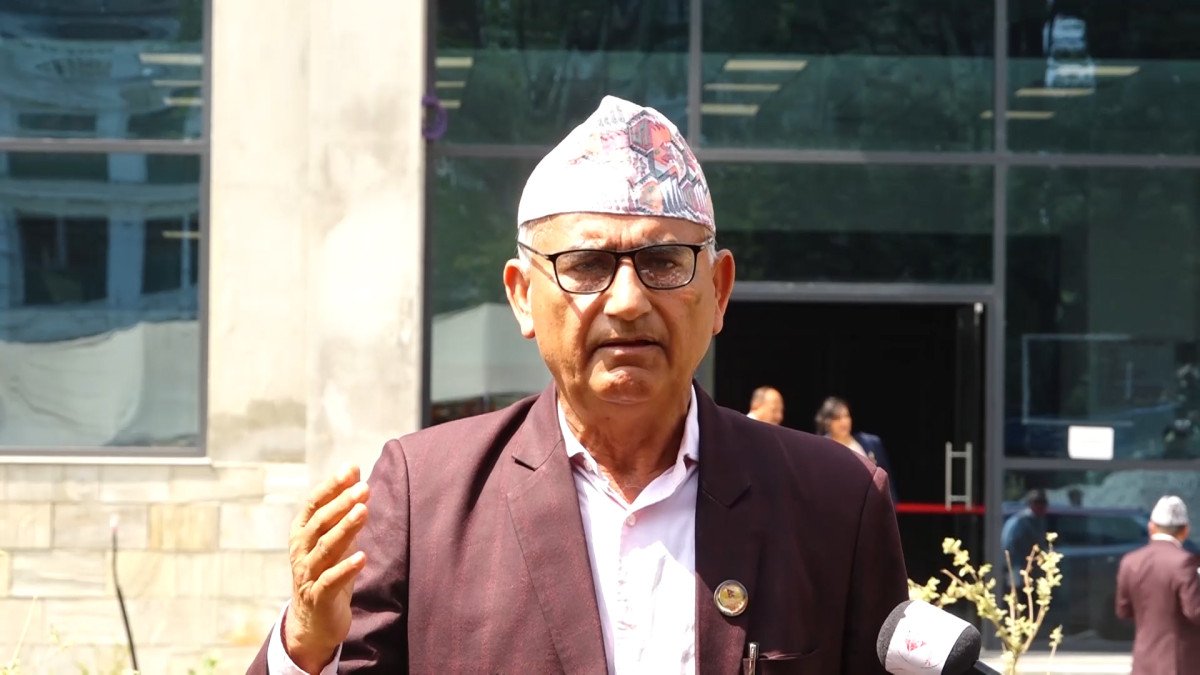
According to Yamimaya Gurung, deputy chief ofgholaSothar Rural Municipality, Bhujung currently has 362 households, with 33 houses operating homestays. "Bhujung has started to be a choice for tourists," she said, "The number of tourists coming to experience Gurung culture, unique cuisine, and rural lifestyle is increasing."
According to Gurung, the homestay program has had a positive impact on the village's economy. Not only the households directly benefiting from homestays, but also the neighbors are benefiting through agricultural production, local cuisine, handicrafts, and other services.
Most of the food grains in the village are produced organically. Since the fields are close to the houses, guests staying in homestays are served dishes made from local produce. Although the main occupation of the locals is agriculture and foreign employment, tourism business has been an important source of income in recent years, said Deputy Chief Gurung. The rural municipality is collaborating in infrastructure development, public awareness, and local capacity building to promote tourism in Bhujung, she added.
The Annapurna Conservation Area Project (ACAP) has also been helping to develop Bhujung as a tourist destination, according to locals. The village has been organized through sanitation campaigns, environmental conservation, and awareness programs.
According to Pramod Raj Regmi, chief of the Annapurna Conservation Area Project, Area Conservation Office, the project has been working to conserve the biodiversity of this area and improve the livelihoods of the locals. "Efforts are being made to advance tourism promotion and environmental conservation together," he said. The project has been assisting locals in operating micro-hydro power, managing tea gardens, and sanitation campaigns. "We are working hand in hand with the villagers for environmental conservation and tourism development," Regmi said.
Another specialty of this place is that the rate of people leaving the village and migrating elsewhere is less than in other places. As opportunities for income generation through agriculture, tourism, and other small businesses are increasing in the village, most locals are seen to be active in their own place. Bhujung homestay operator Humakumari Gurung said that guests are served dishes made from local produce. "Dhidho, kodo roti, local chicken, fish, mutton, local greens, niguro, and pickles are liked by guests," she added, "Many guests come again and again because of the local taste and warm hospitality."
Bhujung is not only famous for its natural beauty, but this village is also known as a living museum of Gurung culture. Local endangered cultural dances are still preserved here. On special occasions and during the tourist season, local youth and elders come together to present cultural performances. According to Nauraaj Gurung, president of the local Laligurans Youth Club, the tourist flow is high from October to December and March-April. "During the season, homestays are full," Gurung says, "Domestic tourists are coming more than foreign tourists now."
Tourists visiting Bhujung are attracted by the peaceful environment, Gurung culture, and hospitality. Saraswati Gotame, who came to visit from Kathmandu, shared her experience of experiencing the old Nepali lifestyle up close upon reaching the village.
"The environment here is very peaceful and clean, Bhujung is an excellent destination to stay for a few days away from the city crowds," she added. She believes that if there were proper roads, tourist flow would increase.
Farming is also ongoing in the village. Almost all the people in the village are busy. Some are weeding fields, while others are busy weaving handicrafts. Items made from bamboo, rattan, and wool reflect the village's originality. Although infrastructure such as roads, communication, and drinking water is expanding along with tourism promotion in the village, the locals are trying to preserve their originality.
Due to its natural beauty, vibrant practice of Gurung culture, local cuisine, and warm hospitality, Bhujung is now establishing itself as a major tourist destination in Lamjung. Bhujung has become an attractive choice for those who want to experience the unique village life away from the hustle and bustle of the city for some time.
This specific news has been automatically translated by AI. As a result, there may be some inaccuracies or language errors.