Government Adjusts School Schedule After Implementing Two-Day Weekend

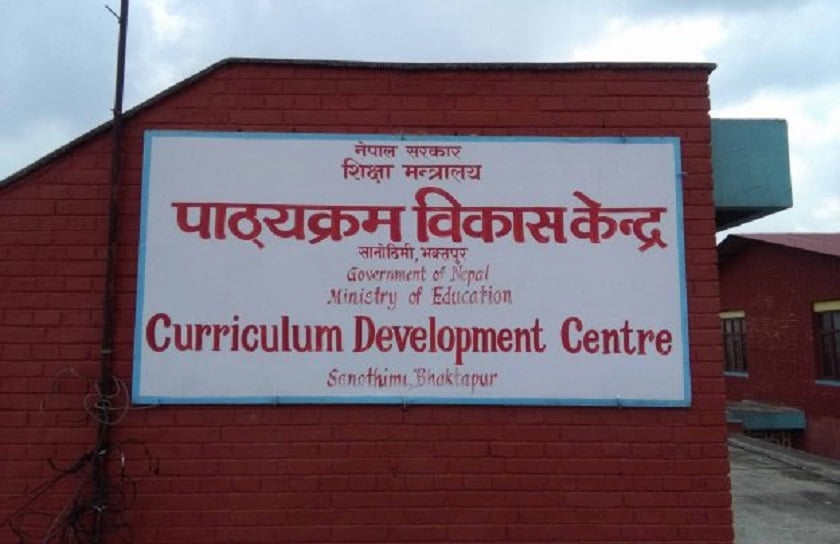
Kathmandu. After the government's decision to give public holidays on Saturdays and Sundays, the Curriculum Development Center has made new arrangements for conducting teaching and learning in schools and matching work hours.
The center has made new arrangements following the government's decision, made on Chaitra 22, to give two days off, Saturday and Sunday, in government offices and all educational institutions for fuel convenience.
According to the new arrangements, the Curriculum Development Center, local levels, teachers, schools, and stakeholders have faced difficulties in adjusting the five days schools will operate and the duration of teaching and learning.
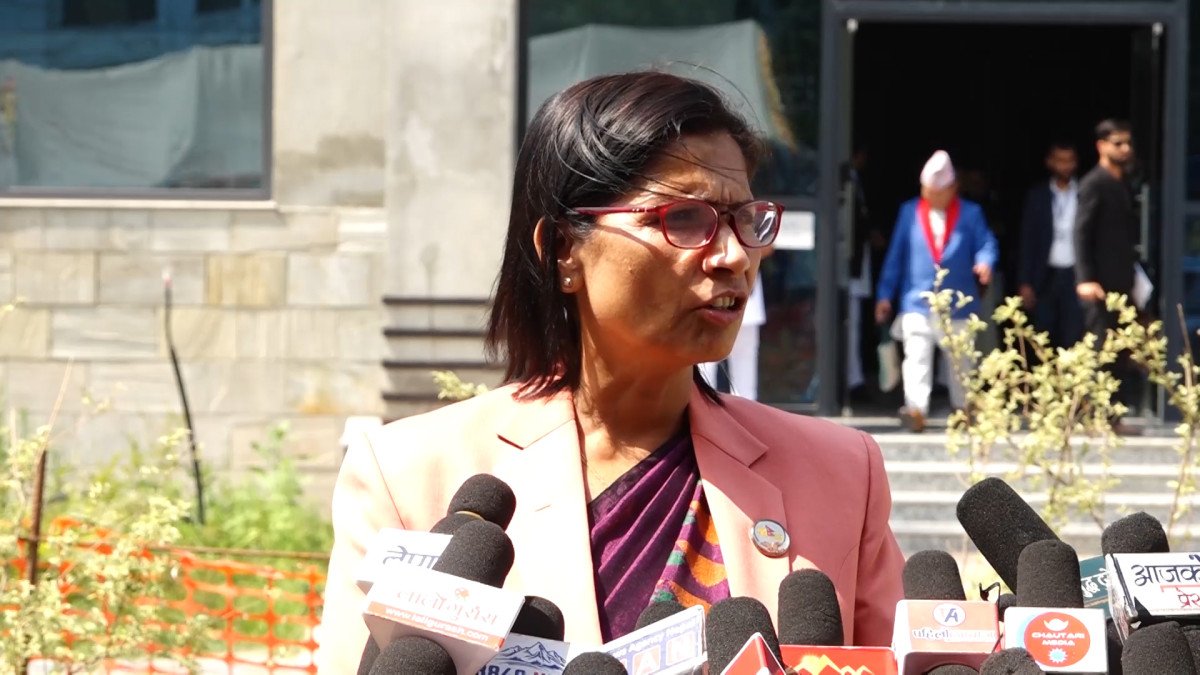
Considering the need for adjustment, the curriculum has been approved based on the recommendations of the task force formed in the meeting of the National Curriculum Development and Evaluation Council held on Baisakh 11, under the chairmanship of the Minister of Education and Sports, Sasmita Pokharel. The work hours have been matched as specified by the approved curriculum, informed the Director General of the Center, Yuvraj Poudel.
It has been challenging for schools to complete the annual work hours due to public holidays set by the government, holidays given according to the Education Act, 2028, and Education Regulations, 2059, in addition to holidays given under provincial and local levels.
Rule 85 (a), Sub-rule 7 of the Education Regulations, 2059, states that teaching and learning will be conducted for at least 220 days in a school academic session, while Sub-rule 9 of the same rule states that schools will be closed from Ghatasthapana to Purnima during Bada Dashain.
Rule 58, Sub-rule 3, states that the total number of holidays or closed days in an academic session will not exceed 45 days. The center has directed to proceed with a coordinated management of the curriculum's subject matter, allocated workload, and extracurricular activities conducted by the school.
The National Curriculum Framework for School Education, 2076, states that for early childhood development and education, there will be 765 hours of daily learning activities and subject-specific learning activities annually. There will be 265 hours for recreation, outdoor play, rest, and meal times, and the entire duration spent by children at the early childhood development center during this time is considered.
Director General Poudel stated that for all classes of school education, teaching and learning will be conducted for at least 205 days in an academic year, and for classes 1 to 3, a total of 26 teaching hours, i.e., 832 work hours annually, need to be taught.
According to him, for classes 4 to 7, a total of 32 teaching hours, i.e., 1024 work hours annually, and for classes 9, 10, 11, and 12, at least 37 teaching hours, i.e., 1184 work hours, up to 42 teaching hours, i.e., 1344 work hours, need to be taught.
Director General Poudel of the center informed that 32 hours spent on conducting teaching and learning is considered one teaching hour. The center has stated that class operations will be determined by setting the school's duration without reducing the specified teaching hours, and generally, teaching hours are calculated in units of one hour.
When schools operate for 205 days according to the National Curriculum Framework, the shortfall in teaching days is 21, and according to Rule 85 of the Education Regulations, when schools open for 220 days, the shortfall in days is 36.
Out of the remaining 218 days due to the shortfall, with 15 minutes allocated for prayer and 20 minutes for lunch daily, the time available for teaching and learning daily from a six-hour school day will be five hours and 25 minutes, resulting in an annual teaching and learning time of 758 hours.
Director General Poudel of the center stated that the center has directed to incorporate project work, practical work, and other learning-related activities conducted outside of school hours into the subject-specific and multidisciplinary learning achievements to compensate for the shortfall in teaching hours, and to include the time used for learning in the annual work hours.
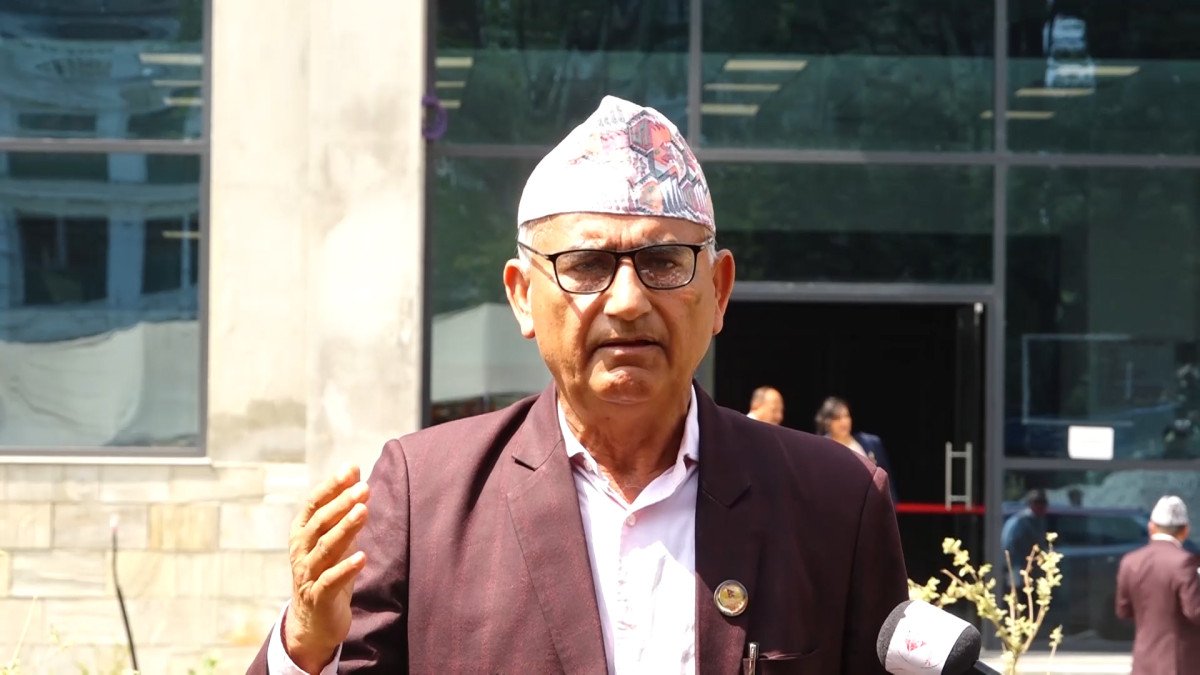
Laxmi Kishore Subedi, President of the Nepal Teachers' Federation, stated that they support the government's decision to give two days off per week in schools and are emphasizing its implementation. He demanded that they should be consulted when decisions are made on matters concerning the professional interests of teachers and employees.
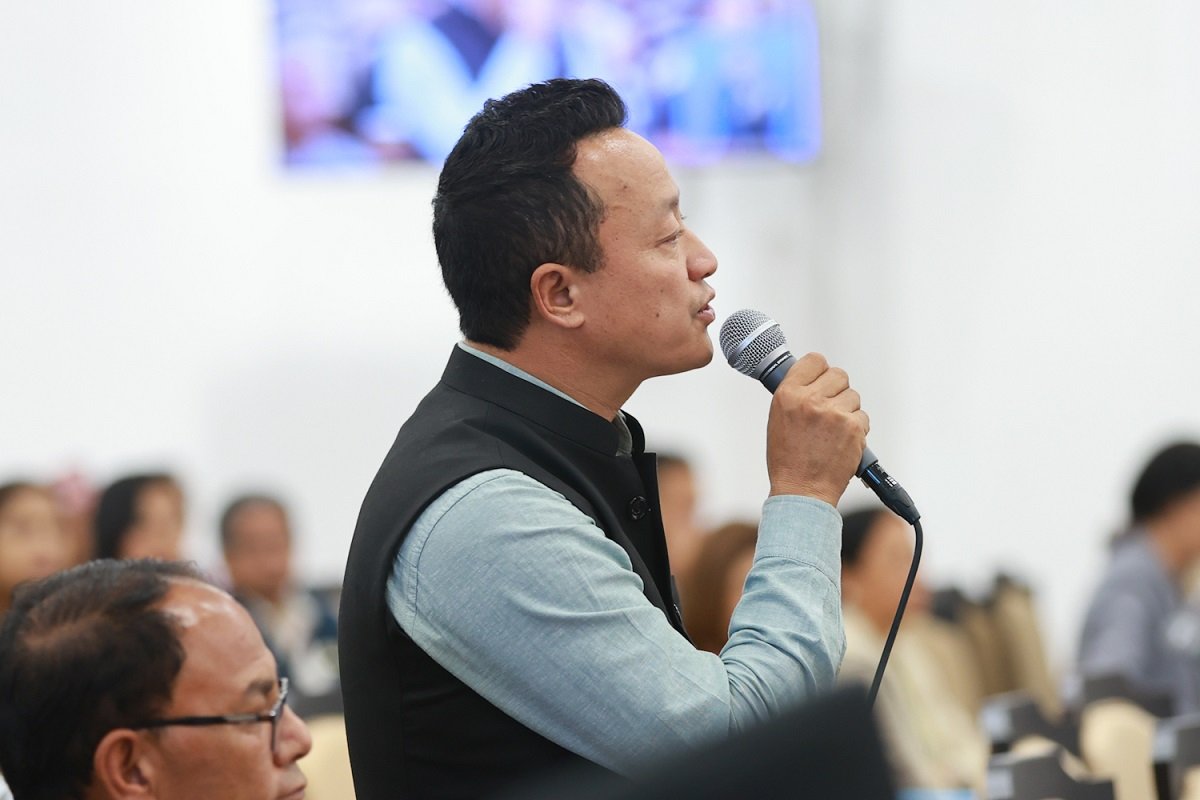
RB Katwal, General Secretary of the Private and Residential Schools Organization Nepal (PABSON), stated that they are implementing the decision to give holidays on Sundays with commitment and suggested that to match the work hours specified by the curriculum, teaching can be done on some public holidays and the period after the annual examinations can be utilized.
General Secretary Katwal mentioned that they will not take responsibility for schools that operate classes on Sundays in defiance of the government's decision.
This specific news has been automatically translated by AI. As a result, there may be some inaccuracies or language errors.