Monsoon Season Risks High Despite Lower Expected Rainfall

Kathmandu. Despite the possibility of below-average rainfall across the country during this year's monsoon, the risk of monsoon-induced disasters is estimated to be high due to rising temperatures and extreme weather events.
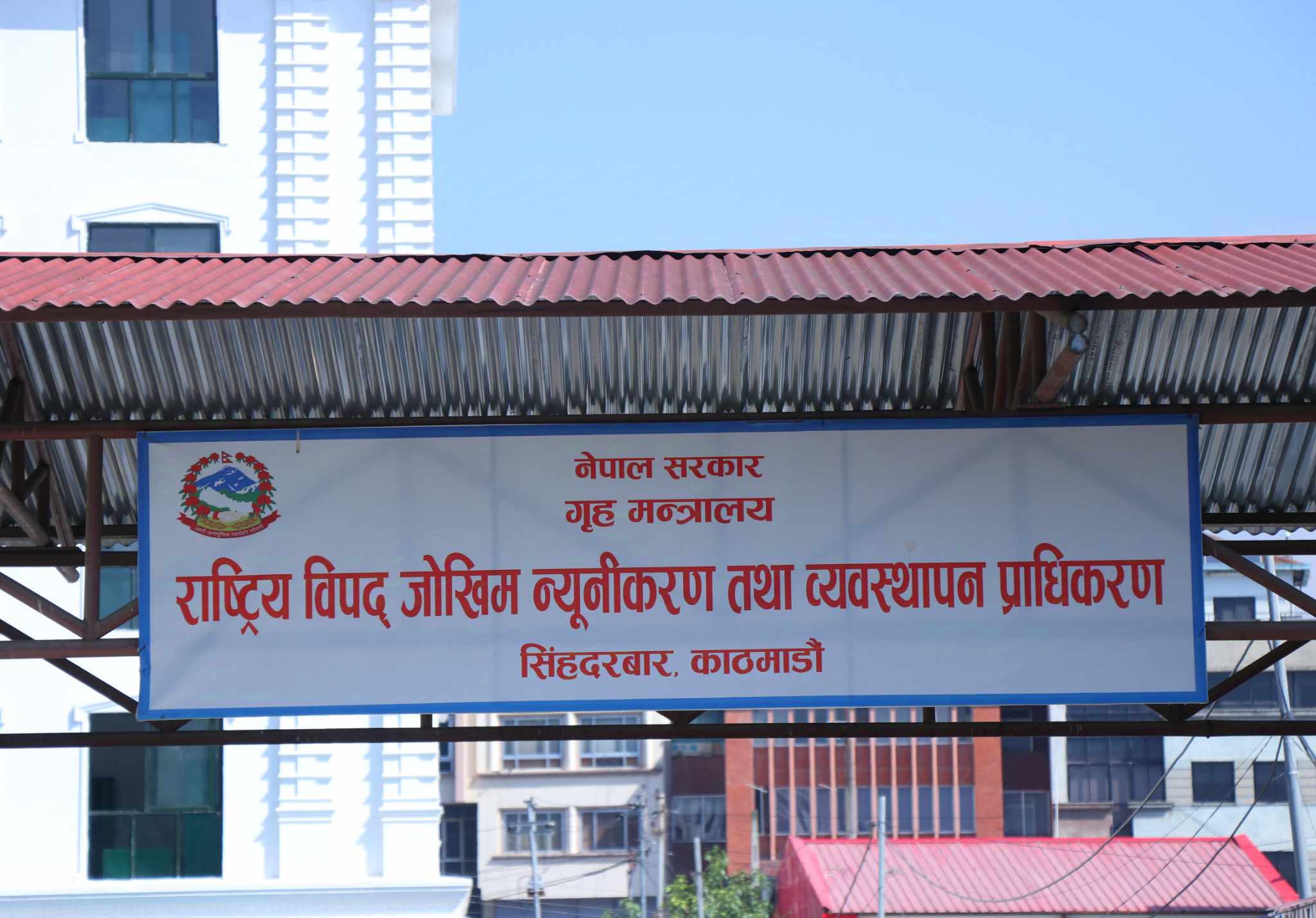
The National Disaster Risk Reduction and Management Authority has estimated that more than 1.9 million people could be affected in the draft of the National Monsoon Preparedness and Response Action Plan 2083, released today.
According to the draft, the risk of glacial lake outburst floods has increased in the high Himalayan region, while the possibility of floods, landslides, inundation, soil erosion, and flash floods is likely to increase in the Terai and lower regions. It has been stated that the southern Terai region could be more affected due to daily temperature increases and heatwaves.
The report estimates that approximately 457,145 households, comprising 1,997,731 people, could be affected during the monsoon season. It has been stated that 52 percent of those affected could be women and 48 percent men.
Among the population at risk, it is mentioned that there are about 164,000 children under five years of age, more than 415,000 elderly citizens above 60 years, and about 48,000 persons with disabilities. The report states that the number of women in the reproductive age group is significant.
According to the provincial analysis, the risk of monsoon-induced disasters appears relatively higher in some districts of Koshi, Madhesh, Lumbini, and Sudurpashchim provinces. To make disaster preparedness and rescue management effective, provinces and local levels have been urged to prepare based on risk analysis.
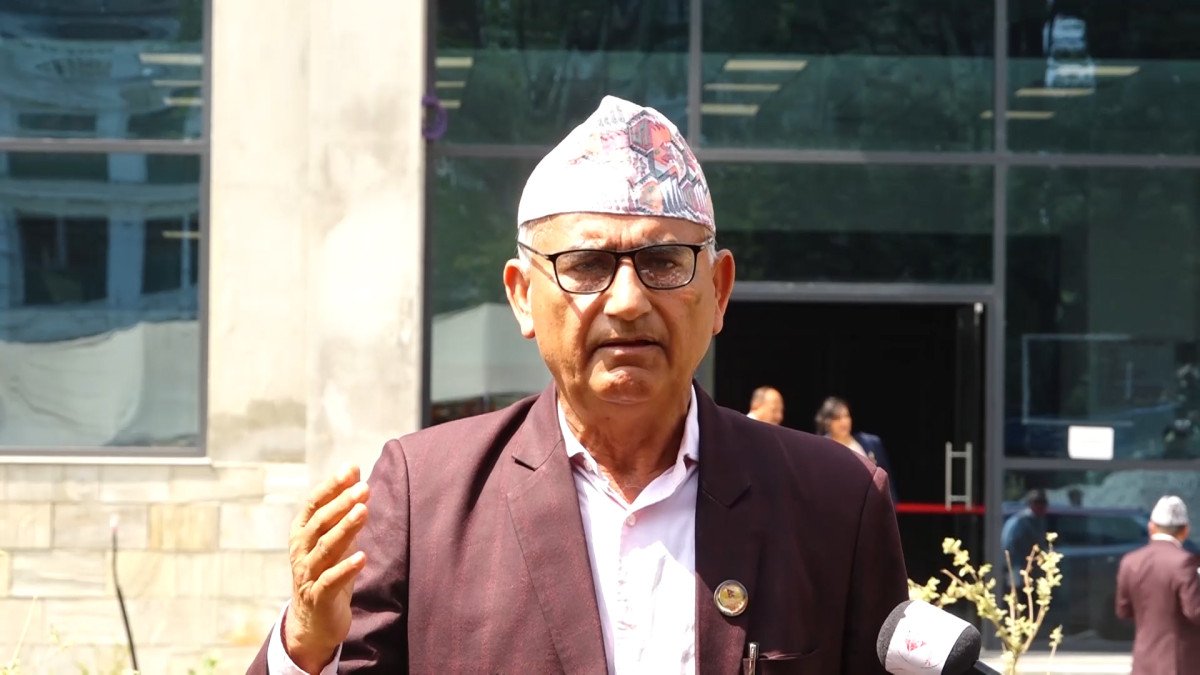
Deputy Secretary of the Authority, Rambadur KC, informed that relevant bodies have been instructed to streamline the early warning system, identify safe locations, prepare relief materials, and enhance the rescue mechanism to minimize damage from monsoon-induced disasters.
The Department of Hydrology and Meteorology has projected below-average rainfall and rising temperatures in Nepal during the monsoon season. According to the department, there is a 55 to 65 percent chance of below-average rainfall in the southern parts of Karnali Province, most areas of Lumbini Province, eastern parts of Madhesh Province, and southern parts of Koshi Province this year.
The department stated that there is a 45 to 55 percent chance of above-average rainfall in most parts of Sudurpashchim Province, western parts of Madhesh Province, and central parts of Koshi Province. It has been stated that there is a 35 to 45 percent chance of average rainfall in the northern parts of Karnali and Koshi provinces. The department estimates a 35 to 45 percent chance of below-average rainfall in most other areas.
Regarding maximum temperatures, the department stated that there is a 55 to 65 percent chance of above-average temperatures in various parts of Sudurpashchim, Karnali, Lumbini, Gandaki, Bagmati, Madhesh, and Koshi provinces. Similarly, the department's conclusion is that minimum temperatures will be above average across the country. It has been stated that there is a 55 to 65 percent chance of minimum temperatures being above average in some areas of Sudurpashchim, Karnali, Bagmati, Madhesh, and Koshi provinces in particular.
This specific news has been automatically translated by AI. As a result, there may be some inaccuracies or language errors.