Opposition Parties Criticize Chief Justice Recommendation


Kathmandu. Opposition parties have objected after the tradition of recommending the Chief Justice was broken for the first time.
In the Constitutional Council meeting held at Singh Durbar on Thursday, Chairman and Prime Minister Balendra (Balen) Shah proposed Dr. Manoj Sharma, who was ranked fourth, breaking the past tradition of appointing the senior-most judge as the Chief Justice. Sharma was recommended as the Chief Justice amidst the disagreement of National Assembly Chairman Narayan Prasad Dahal and Leader of the Opposition Bhishma Raj Angdembe with Balen's proposal.
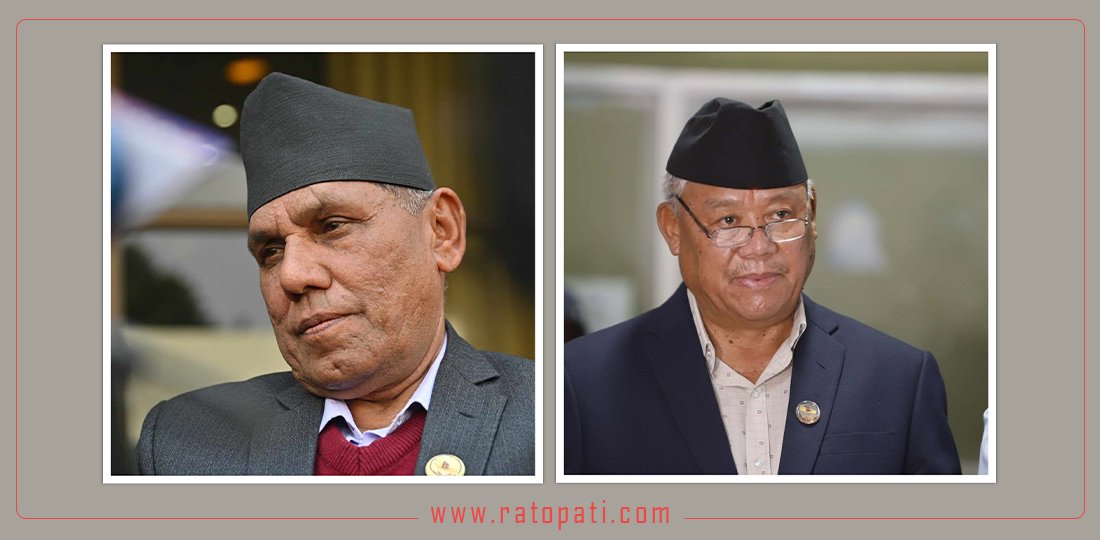
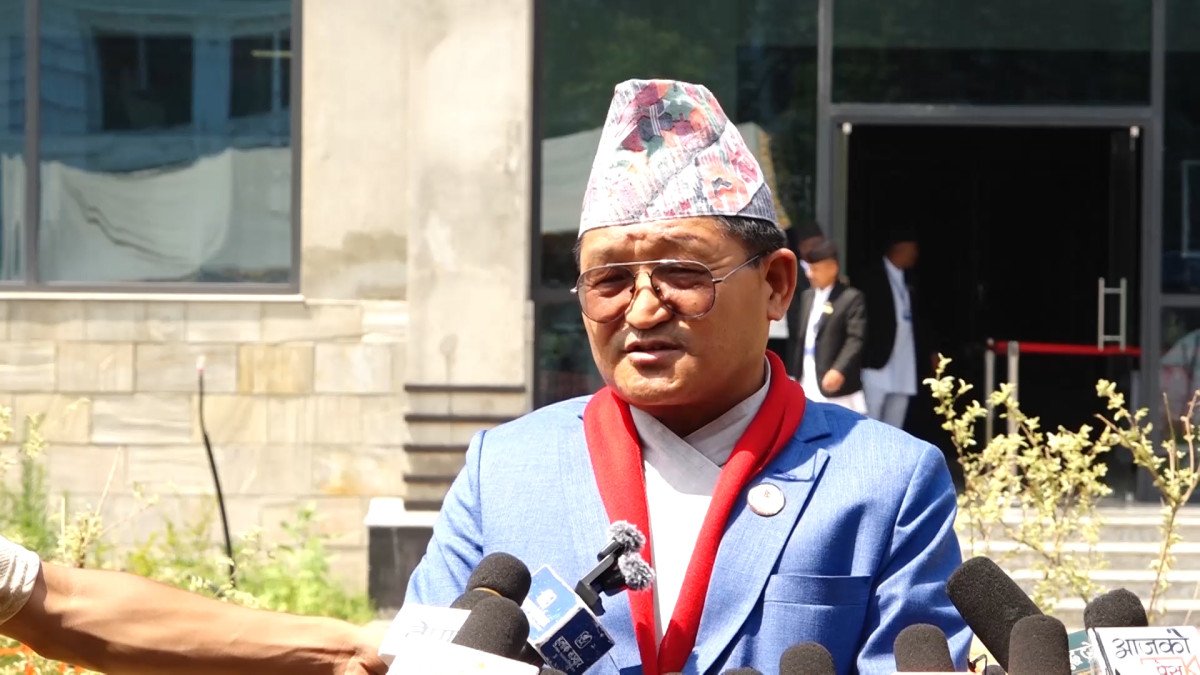
National Assembly Chairman Narayan Prasad Dahal expressed disagreement with the recommendation of the Chief Justice. Responding to Ratopati, he said, 'The Prime Minister and Chairman brought the proposal for the Chief Justice by breaking the past practice, tradition, values, and norms in the judiciary. We could not agree to that.'
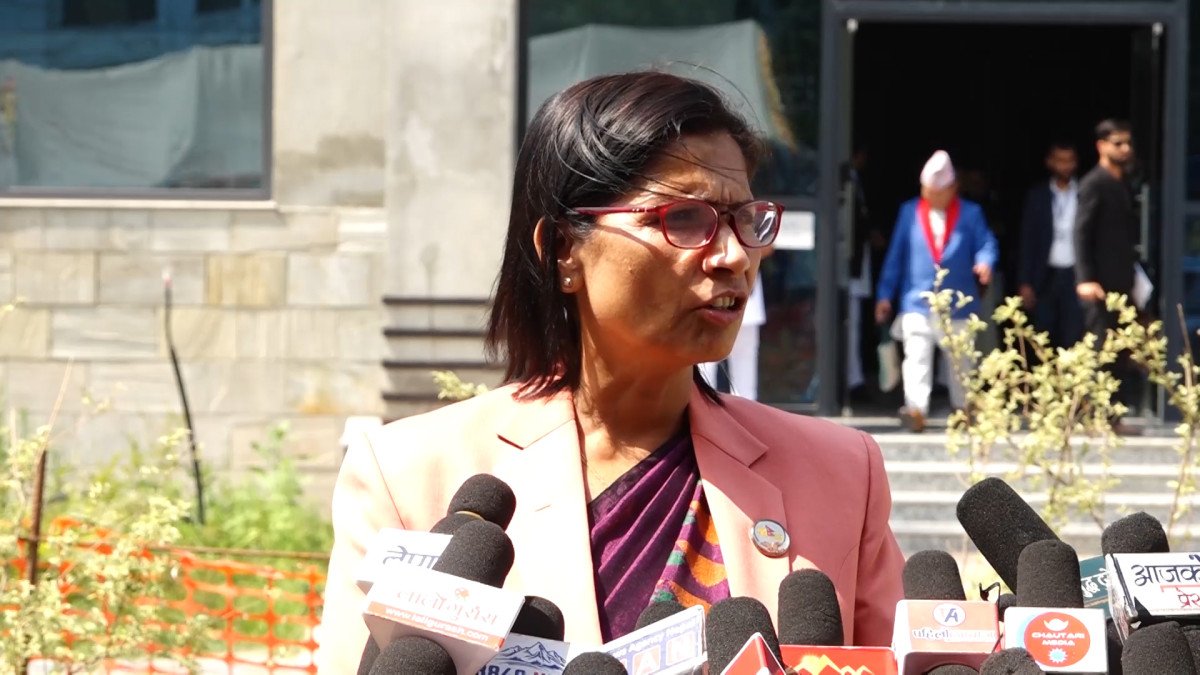
Expressing dissatisfaction with the recommendation of the Chief Justice, Nepali Congress General Secretary Pradip Paudel accused the government of moving towards authoritarianism. Paudel expressed disagreement with the decision-making process of the Constitutional Council.

'There is disagreement with the Constitutional Council's decision-making process itself. The principle of separation of powers has been broken. The universally accepted principle of making decisions by majority has been broken. Even though there are three members in the council, the Prime Minister's decision-making process, which considers the majority, is contrary to the principle of separation of powers,' Paudel told Ratopati. 'The Constitutional Council is not the government. The role of the National Assembly Chairman and the Leader of the Opposition, who represent the federal and provincial levels, has been nullified to prevent the government from dominating the appointment process of officials of the state's major bodies. The Prime Minister has become more powerful than the state. Since the first step itself is wrong, there is no need to comment on the second issue.'
General Secretary of UML Shankar Pokharel said that the government's decision has broken established values, norms, and past traditions. He clarified that the party would make its official stance public on this matter and would not provide further comments.
'For the first time in the judiciary, past traditions, established values, and norms have been broken. The government's decision appears undemocratic and moving towards authoritarianism. However, the party will make its official stance public,' Pokharel said.

Similarly, spokesperson for the Nepal Communist Party, Prakash Jwala, also accused the government of moving towards authoritarianism.
'The scenario that has existed until now has been broken. Rather than just breaking it, it appears to have been broken to proceed in an authoritarian manner, violating democratic values, norms, and traditions. This is not suitable for democracy. The Prime Minister, who came from a democratic background, is showing a tendency to act in an undemocratic manner,' he said.
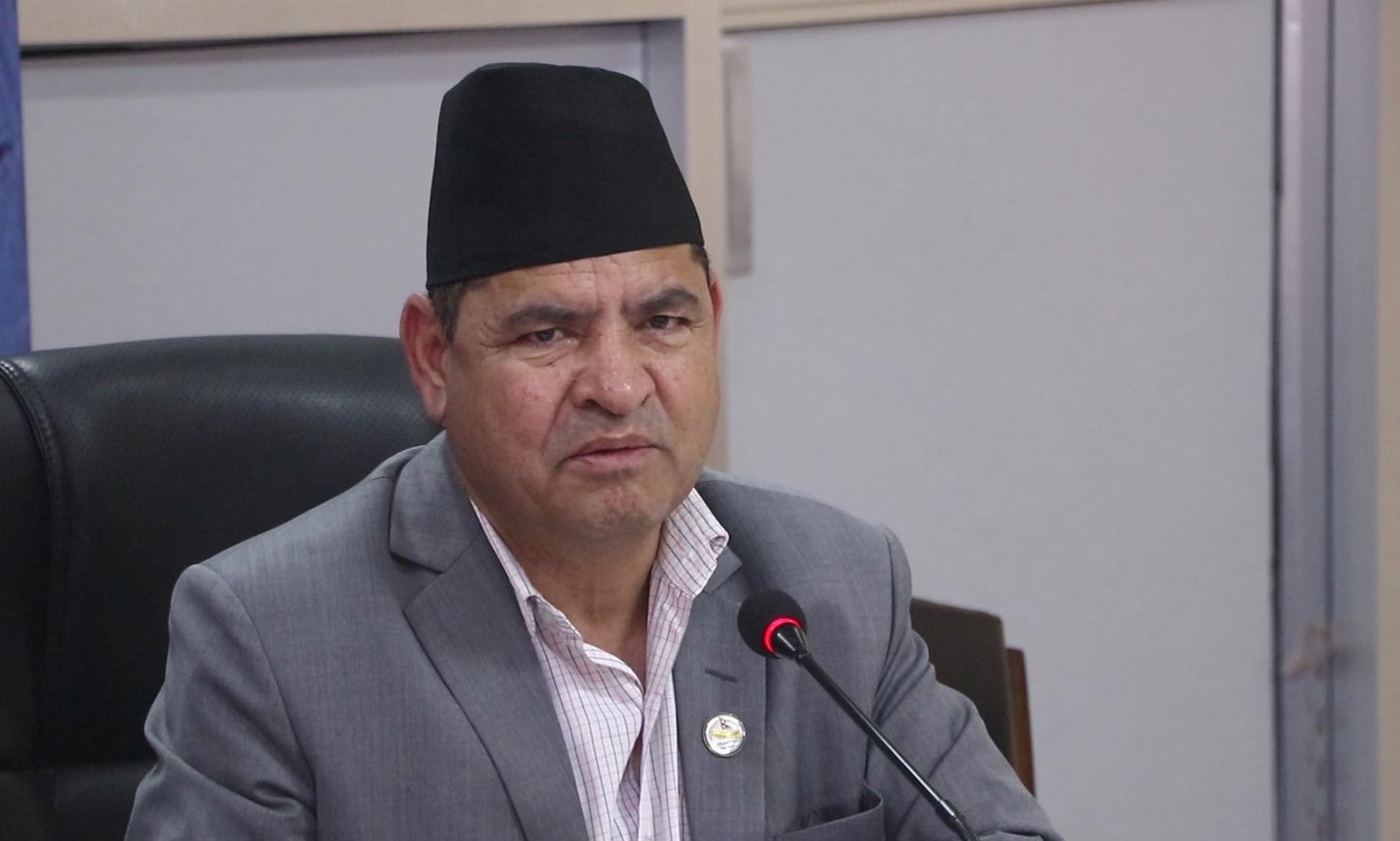
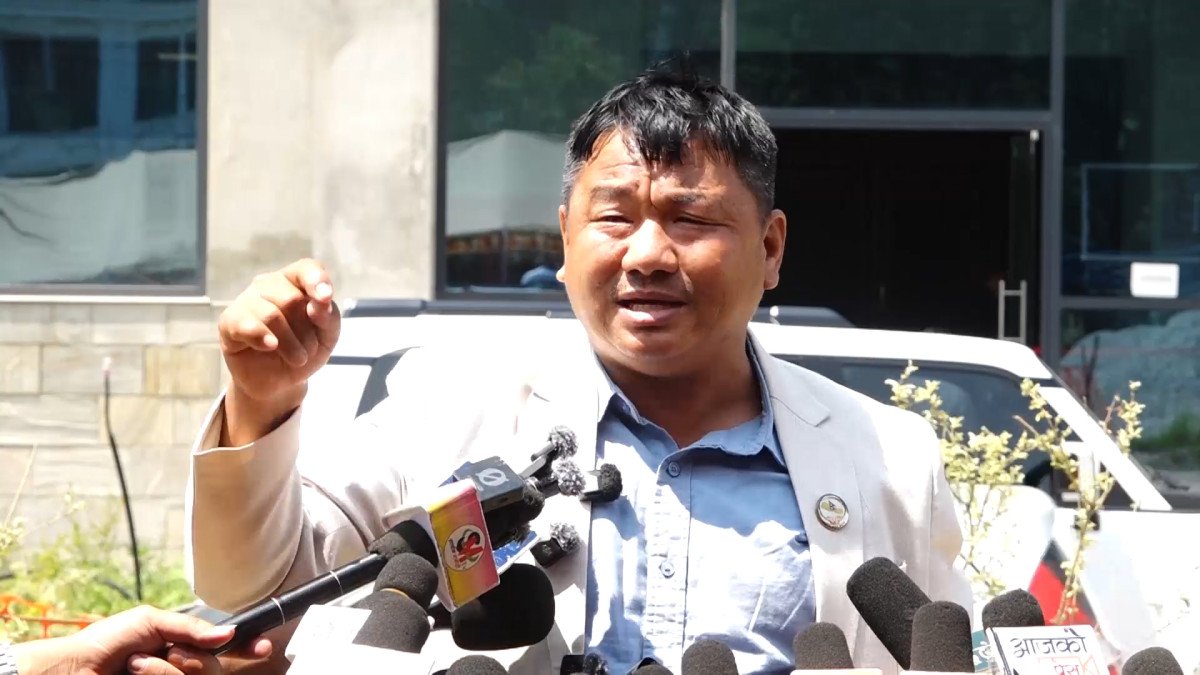
Likewise, RPP Parliamentary Party leader Gyan Bahadur Shahi said that judges in the seniority list might not have been recommended because they had political tags. However, Shahi said that the attempt to move forward by breaking past traditions raises concerns about whether the government is heading towards autocracy.
_ozbyc6chgm_ik3p2X3lIT.jpg)
'Looking at the nature of the judge recommendation, it appears the government is trying to move towards autocracy. The party will make its official stance public on this matter,' Shahi said.
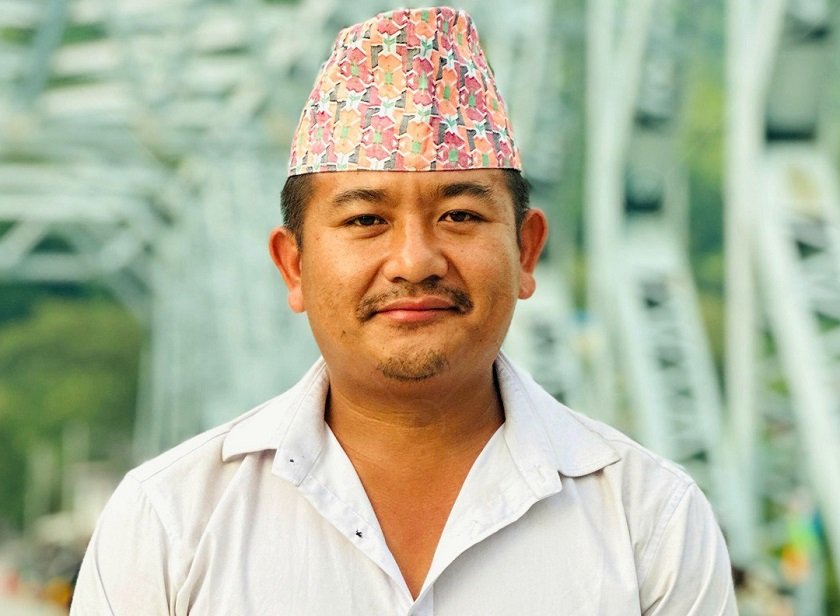
Meanwhile, spokesperson for the Labor Culture Party, Satya Gurung, said that it is clear that the government is trying to move towards autocracy in the recommendation of the Chief Justice. However, he informed that the party would make its official stance public as it is still under study.
'We are still studying. But looking at the process of recommending the Chief Justice, it appears the government is heading towards an autocratic path,' Gurung said.
There has been a provision for a Chief Justice in the Supreme Court since 2008 BS. No government formed during the Panchayat era or after the political change of 2046 BS had broken the seniority and past practices in the judiciary. The constitutional provision is that the Prime Minister chairs the council, with the National Assembly Chairman, Speaker, Deputy Speaker of the House of Representatives, Leader of the Opposition, and the Chief Justice as members, to prevent the government from influencing the Constitutional Council.
This specific news has been automatically translated by AI. As a result, there may be some inaccuracies or language errors.