Constitutional Council Recommends Dr. Manoj Kumar Sharma for Chief Justice, Bypassing Seniority


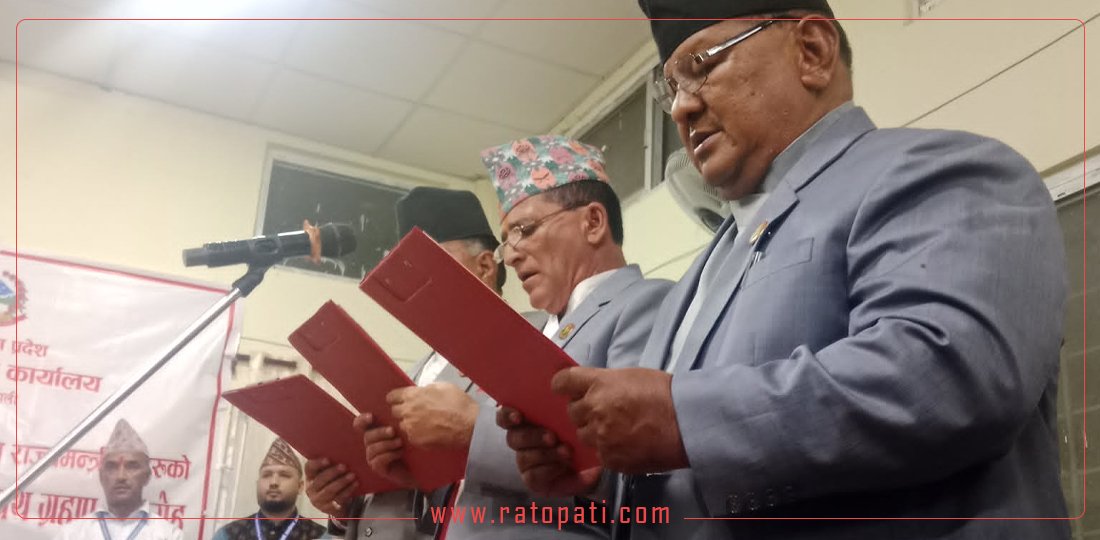
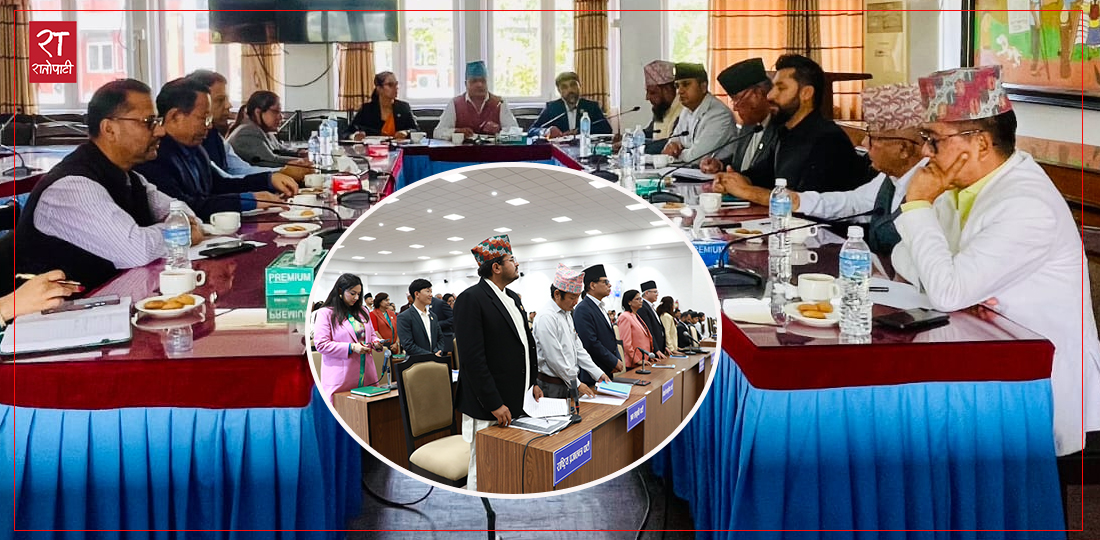
Kathmandu. The Constitutional Council meeting has decided to send the name of Dr. Manojkumar Sharma, who is in fourth seniority among the six names sent by the Judicial Council, to the parliamentary hearing committee for the post of Chief Justice of the Supreme Court.
In the past, the Constitutional Council used to recommend the Chief Justice of the Supreme Court based on seniority. This time, the Constitutional Council meeting has recommended Dr. Sharma's name for Chief Justice by bypassing the order of seniority.
Article 129 of the Constitution specifies the qualifications for the Chief Justice, stating that a person who has worked as a Supreme Court judge for at least three years is eligible for appointment to the post of Chief Justice. There is no constitutional obligation to appoint the senior-most judge as Chief Justice.
Chief Justice Prakashman Singh Raut, due to reaching the age limit of 65 years, had sent the names of Sapana Pradhan Malla, Kumar Regmi, Hari Prasad Phuyal, Dr. Manojkumar Sharma, Dr. Nahakul Subedi, and Til Prasad Shrestha to the secretariat for the post, which became vacant after his retirement on Chaitra 18. All six individuals recommended by the Judicial Council are eligible to become Chief Justice, and the constitution does not prevent anyone from being appointed.
However, there has been a tradition in the Supreme Court of appointing the senior-most judge as Chief Justice. The term of the Chief Justice is six years, and the age limit is 65 years. Regarding seniority, the Supreme Court had previously interpreted that seniority and qualifications should be the basis for appointing the Chief Justice. However, this time, the Constitutional Council has not only broken the past tradition of recommending the Chief Justice based on seniority but has also disregarded the Supreme Court's interpretation.
In various judgments over time, the Supreme Court of Nepal has interpreted that 'seniority and qualifications' should be considered the main basis for appointing the Chief Justice. The most important and famous case in this regard is the case of 'Advocate Achyut Prasad Kharel versus the Constitutional Council'. This is the first and most 'landmark' judgment in Nepal's judicial history that has interpreted the criteria for appointing the Chief Justice. This writ was filed alleging that the seniority was being undermined during the appointment of a new Chief Justice after the retirement of then-Chief Justice Bishwanath Upadhyay.
The Special Bench of the Supreme Court interpreted and stated, 'Seniority should not be ignored when recommending for the appointment to the post of Chief Justice. If a junior judge is to be appointed by bypassing a senior judge, the objective basis and reason for it must be clear.' This judgment has considered seniority as 'primary' and qualifications as 'supplementary'.
It was determined that bypassing seniority without concrete reasons would be contrary to the constitution and the rule of law.
In the writ of Advocate Santosh Bhandari versus the Constitutional Council (2075 BS), the Supreme Court has also made interpretations in recent times regarding the disputes that have arisen during the appointment of the Chief Justice and parliamentary hearings.
The court has stated that although Article 129(3) of the Constitution states that a judge who has worked in the Supreme Court for at least 3 years is eligible for the post of Chief Justice, it does not give the executive branch the right to 'choose anyone'. The court has interpreted 'seniority' as an established constitutional tradition. It has been mentioned that if this tradition is broken, it will sow the seeds of 'political loyalty' in the judiciary and end its independence.
This specific news has been automatically translated by AI. As a result, there may be some inaccuracies or language errors.